
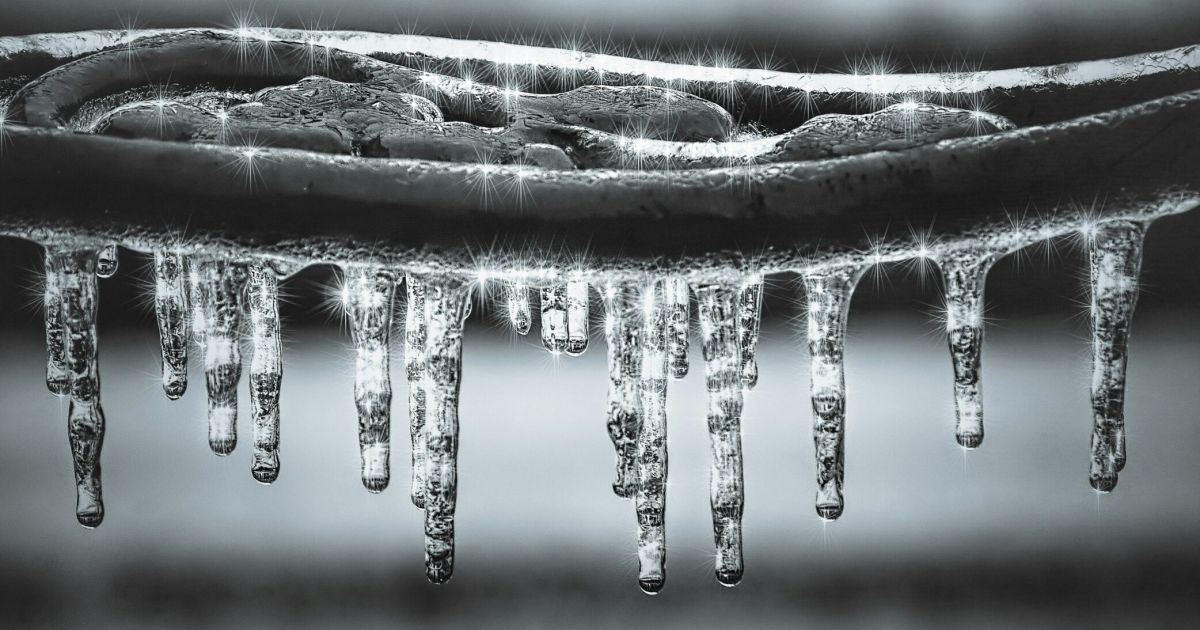
When temperatures plunge in Central New York, frozen pipes become one of the most expensive and stressful winter emergencies. In Syracuse, where extended deep freezes are the norm, preventing frozen pipes isn’t just about insulation and dripping faucets. It may surprise you to learn it actually starts with your furnace!
Your heating system is the first line of defense against frozen pipes. Consistent indoor temperatures, reliable heat delivery, and furnace dependability are often all that stand between a cold snap and a burst pipe disaster. This winter homeowner’s survival guide explains how to prevent frozen pipes in your Syracuse home by putting your HVAC system at the center of your winter strategy.
Why Frozen Pipes Are Such a Big Risk in Syracuse Winters
Syracuse winter home preparation requires a different mindset than milder climates. Prolonged subzero temperatures, lake-effect cold snaps, and overnight temperature drops all increase the risk of frozen plumbing.
Pipes are most vulnerable when:
- Outdoor temperatures fall below 20°F for extended periods
- Heat isn’t reaching basements, crawl spaces, or exterior walls
- A furnace cycles inconsistently or shuts down entirely
Once water freezes inside a pipe, pressure builds rapidly. When the ice expands, pipes can crack or burst, leading to flooding, structural damage, and costly repairs.
Your Furnace: The First Line of Defense Against Frozen Pipes
Most frozen pipe advice focuses on plumbing, but HVAC plays a much bigger role than most homeowners realize.
Consistent Heat Prevents Freezing
Your furnace keeps indoor temperatures stable, which prevents pipes in your home from dropping below freezing. Even short periods without heat during a Syracuse deep freeze can allow pipes to ice over.
Set your thermostat to a consistent temperature, even overnight. Avoid aggressive setbacks during extreme cold. Saving a few dollars on heating isn’t worth the risk (and cost) of frozen pipes.
Heat Must Reach Vulnerable Areas
Warm air doesn’t automatically reach every part of your home. Pipes located in these areas are especially vulnerable:
- Basements
- Crawl spaces
- Attics
- Garages
- Inside/under cabinets on exterior walls
Make sure supply vents near plumbing are open and unobstructed, and leave interior doors open to promote airflow. If your furnace struggles to distribute heat evenly, it may be time to consider getting a new system. An energy audit may also help you find and correct vulnerable areas for frozen pipes.
A Reliable Furnace Is Non-Negotiable
A furnace breakdown in January isn’t just uncomfortable, it’s dangerous. Homes can lose heat rapidly, and pipes can freeze in a matter of hours.
Scheduling annual heating maintenance before winter helps ensure:
- Safe furnace ignition
- Reliable, consistent heat output
- Reduced risk of emergency breakdowns
Other Pipe Protection Tips
While your furnace does much of the heavy lifting, these traditional prevention steps still matter:
- Insulate exposed pipes in basements, crawl spaces, and attics
- Seal air leaks around rim joists, foundation cracks, and sill plates
- Disconnect outdoor hoses and shut off exterior spigots
- Open cabinet doors under sinks to allow warm air circulation
- Leave faucets on a drip or slow stream during extreme cold
These steps work best in combination with reliable heat, not as a replacement for it.
What to Do If Your Heat Goes Out During a Deep Freeze
Even well-maintained systems can fail. Knowing what to do for frozen pipes and how to prevent them when the heat goes out can save your home.
Immediate Steps to Protect Your Pipes in an Emergency
If your furnace stops working during extreme cold:
- Turn on all faucets slightly: Allow both hot and cold water to drip to reduce pressure buildup.
- Shut off your home’s main water valve: This limits damage if a pipe bursts while you’re waiting for repairs.
- Open cabinets and interior doors: Let remaining heat circulate around plumbing.
- Use safe supplemental heat: Space heaters can help protect vulnerable areas—but keep them away from flammable materials.
- Call for emergency heating repair immediately: The faster heat is restored, the lower the risk of frozen pipes.
If you already suspect frozen pipes (from signs like reduced water flow, frost on pipes, or strange odors) avoid turning up water pressure and contact a professional right away.
Cheat Sheet: How to Prevent Frozen Pipes in Syracuse
Here’s a quick summary of actions to take to prevent frozen pipes during Syracuse winters:
Step 1: Schedule professional furnace maintenance before winter. Ensure reliable, consistent heat output before temperatures drop.
Step 2: Set your thermostat to a steady temperature. Avoid nighttime setbacks during extreme cold.
Step 3: Ensure heat reaches basements and exterior walls. Keep vents open and doors ajar to improve airflow.
Step 4: Insulate exposed pipes and seal air leaks. Focus on basements, crawl spaces, and unheated areas.
Step 5: Prepare for emergencies. Know where your main water shutoff is and have a plan if the heat goes out.
Protect Your Home Before Winter Tests Your System
Preventing frozen pipes in your Syracuse home isn’t just a plumbing issue, it’s an HVAC priority. If your home struggles to stay warm, has uneven temperatures, or your furnace is 10–15 years old, your risk of frozen pipes rises significantly during deep freezes.
Your furnace is the real safeguard against winter disasters. Consistent heat, proper airflow, and a dependable system can mean the difference between a safe winter and thousands of dollars in water damage. Insulation and dripping faucets help, but they can’t compensate for unreliable heat.
The smartest move in Syracuse winter home preparation is addressing heating issues before the coldest days arrive, not after a breakdown puts your pipes at risk.
Give us a call at 315-399-9962 or contact us online to schedule your next heating service.
