Rated: 4.9 / 5 based on 1000+ reviews. Read our reviews

Available 24/7! Call now to schedule! (315) 399-9962

Why Syracuse’s Historic Homes Are Overdue for an Electrical Panel Upgrade

Syracuse has some of the most charming older neighborhoods in Upstate New York. Streets lined with craftsman bungalows in Sedgwick, brick two-stories in the Valley, and century-old colonials throughout the Near Westside are part of what makes this city worth living in. But behind those beautiful facades, a lot of these homes are running on electrical infrastructure that was never built for 2024.

If your home was built before the 1980s and hasn’t had a panel upgrade, there’s a good chance you’re working with 60-amp or 100-amp service. That was fine when the biggest electrical loads in a house were a refrigerator and a few light bulbs. It is not fine when you’re running a heat pump, charging an electric vehicle, and trying to power a modern kitchen at the same time.

What 60-Amp and 100-Amp Service Can’t Handle Anymore

The National Electrical Manufacturers Association and most licensed electricians agree: the average modern home needs at least 200-amp service to operate safely and efficiently. Here’s why older panel ratings fall short:

  • Heat pumps and mini-splits: These systems draw significant startup current, especially in cold weather. Older panels often can’t support the load without tripping breakers or causing voltage fluctuations across the home.
  • Electric vehicle chargers: A Level 2 EV charger typically requires a dedicated 240V, 50-amp circuit. On a 60-amp or 100-amp service, adding that circuit leaves almost no headroom for anything else.
  • Modern appliances: Induction ranges, tankless water heaters, and high-efficiency dryers all consume far more power than their predecessors from 30 years ago.
  • Outdated breaker panels: Many older homes in Syracuse still have Federal Pacific or Zinsco panels, which have documented failure rates and are considered fire hazards by electrical inspectors.

Running too many loads on undersized service doesn’t just trip breakers. It creates heat buildup inside the panel, degrades wiring insulation over time, and in worst-case scenarios, starts fires inside walls that show no warning signs until it’s too late.

What a 200-Amp Service Upgrade Actually Involves

Upgrading to 200-amp service is more involved than swapping out a panel box. A full upgrade typically includes replacing the meter base, installing a new main breaker panel, and coordinating with National Grid to update the service entrance. In Syracuse’s historic neighborhoods, the work may also involve updating knob-and-tube or aluminum branch circuit wiring that can’t safely connect to a modern panel.

The U.S. Department of Energy notes that homes switching to electric heating and transportation are projected to see energy demand increase by 25 to 50 percent over the next decade. Getting your panel upgraded now, before adding a heat pump or EV charger, avoids the cost of doing two separate projects and ensures every new system is properly supported from day one.

Syracuse also has local code requirements governing service upgrades, and any permitted work must pass inspection by Onondaga County. Working with a licensed electrician familiar with local code keeps the project compliant and your homeowner’s insurance protected.

Signs Your Home May Need a Panel Upgrade

Your panel may be telling you something is wrong even if nothing has failed yet. Watch for these indicators:

  • Frequently tripping breakers: If certain circuits trip under normal use, the panel likely can’t support current loads.
  • Flickering or dimming lights: Especially when large appliances kick on, this suggests voltage instability from an overwhelmed service.
  • Warm or discolored outlets and switch plates: Heat around electrical fixtures is a warning sign that should never be ignored.
  • No room for new circuits: If your panel is full and you need to add a circuit for a new system, an upgrade is the only safe path forward.
  • Your panel is 25 to 30 years old: Age alone is reason to have it evaluated by a licensed electrician.

Planning an Upgrade in a Historic Syracuse Home

Older homes present unique challenges. Finished walls, plaster construction, and limited attic or basement access can make running new wiring more labor-intensive than in newer builds. In some cases, a whole-home rewire is the right call alongside the panel upgrade, particularly if knob-and-tube wiring is still present.

If you’re planning to add a heat pump or mini-split system, it makes sense to coordinate the ductless mini-split installation and panel upgrade at the same time. That kind of project planning prevents redundant labor costs and ensures the electrical work is sized correctly for whatever HVAC equipment is going in.

Homeowners in Onondaga County may also be eligible for rebates through New York State’s clean energy programs when upgrading to heat pump systems in conjunction with electrical improvements. Getting the panel right is often a prerequisite for qualifying.

Call the Experts at Hummingbird

Hummingbird Heating and Cooling serves Syracuse and the surrounding Onondaga County area with licensed electrical, HVAC, and plumbing services. If your home is running on aging electrical infrastructure or you’re preparing to add a heat pump, EV charger, or other high-demand system, the team at Hummingbird can assess your current setup and handle the upgrade from start to finish. Call or schedule a service appointment online to get started.

FAQs About Electrical Panel Upgrades

How much does a 200-amp electrical panel upgrade cost in Syracuse, NY?

The cost of a 200-amp service upgrade in Syracuse typically ranges from $1,500 to $3,500 depending on the complexity of the work, the condition of existing wiring, and whether a meter base replacement is required. Historic homes may have additional costs if knob-and-tube wiring needs to be addressed. A licensed electrician can provide an accurate estimate after inspecting your current setup.

Is a permit required for an electrical panel upgrade in Onondaga County?

Yes. Any electrical service upgrade in Onondaga County requires a permit and must be inspected by the county’s code enforcement office. Working with a licensed electrician ensures the project is properly permitted, code-compliant, and passes inspection, which also protects your homeowner’s insurance coverage.

Can I add a heat pump or EV charger to my existing 100-amp panel?

In some cases, yes, but it depends on what else is already on the panel and how the circuits are currently loaded. Many 100-amp panels in older Syracuse homes are already near capacity. Adding a heat pump or Level 2 EV charger without upgrading the service first is a common cause of chronic breaker trips and can create safety hazards. A licensed electrician should evaluate your panel before any new high-draw equipment is installed.

Upgrading to a Heat Pump? Why Your Home’s Electrical System Is Key for Syracuse Homeowners

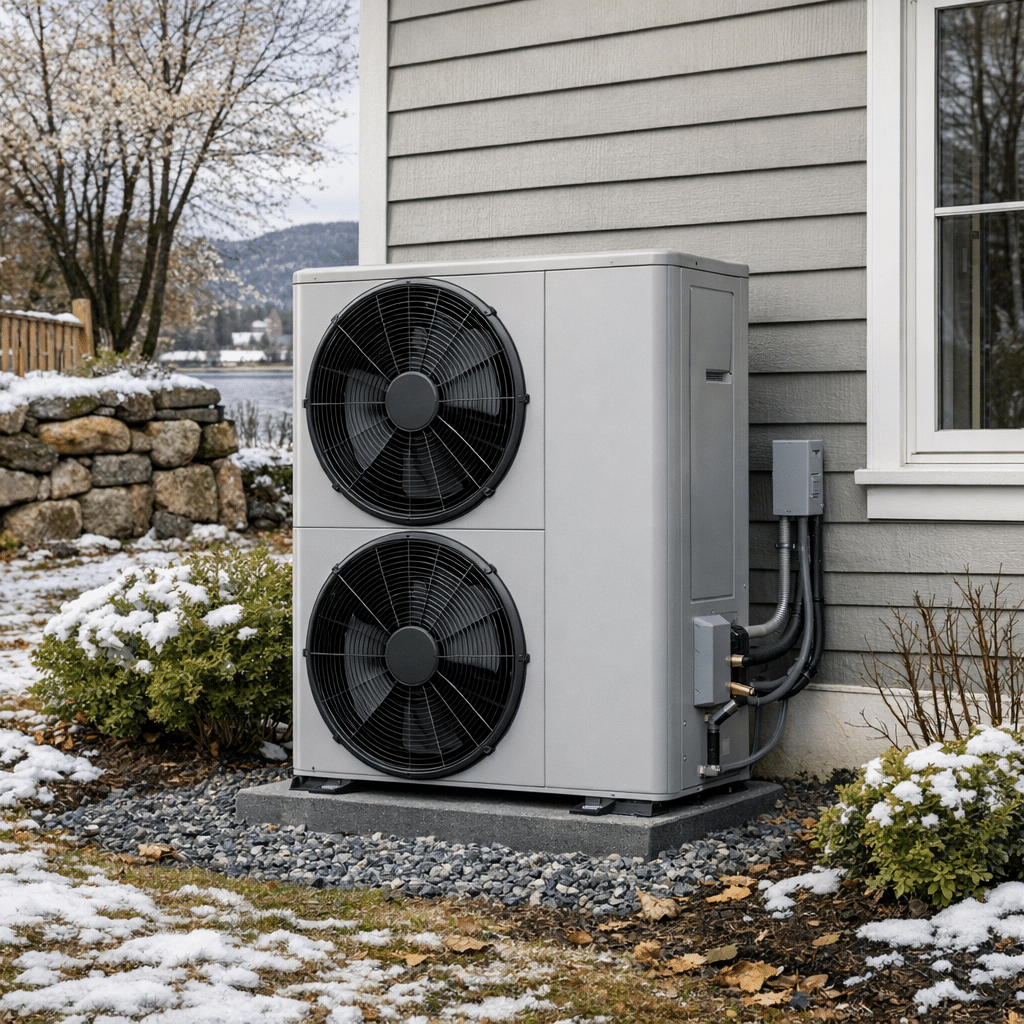
If you’re thinking about switching to a heat pump, it’s easy to focus on the equipment itself and forget about what powers it. But the truth is, heat pump electrical requirements can play a big role in whether your project goes smoothly, how much it costs, and how well the system performs once it’s installed. In a place like Syracuse, where winters are cold, and heating equipment works hard for months at a time, the electrical side of the job matters more than many homeowners expect.

A heat pump can be a smart move for comfort and efficiency, especially if you’re replacing older equipment or trying to lower your dependence on fossil fuels. Still, not every home is automatically ready for one. Before moving forward with a Syracuse heat pump installation, it helps to understand how your panel, wiring, breakers, and overall electrical capacity fit into the picture.

Why heat pumps often require an electrical check first

A heat pump runs on electricity, and many systems need a dedicated circuit and enough panel capacity to handle the added load. That doesn’t always mean your home needs a major upgrade, but it does mean someone should evaluate the system before installation. Older homes around Syracuse may have smaller panels, outdated wiring, or limited open breaker space, which can complicate the project.

What most homeowners don’t realize is that the HVAC equipment and the electrical system have to work together. If the electrical setup is undersized, the unit may not be installed safely or according to code. That can delay the job, add unexpected costs, or limit which type of system makes sense for your home.

The main heat pump electrical requirements homeowners should know

There isn’t one universal electrical setup for every heat pump. Requirements vary based on the unit’s size, whether it’s ducted or ductless, and whether the home will rely on electric backup heat. Still, there are a few common things contractors look at first.

  • Panel capacity: Homes need enough total electrical service to support the heat pump, along with existing appliances and household usage.
  • Dedicated circuit: Heat pumps typically require their own breaker and circuit sized to the manufacturer’s specs.
  • Breaker space: Even if your panel has enough overall capacity, it may not have enough room for new breakers.
  • Proper wiring: Older or undersized wiring may need to be replaced to safely handle the load.
  • Disconnect and code compliance: Installations usually require an outdoor disconnect and other code-related electrical components.

This is one reason a Syracuse heat pump installation is not just an HVAC decision. It’s also a home infrastructure decision, especially if you’re replacing a gas furnace with an all-electric setup.

How Syracuse homes can run into electrical limitations

Syracuse has plenty of older housing stock, and that can affect what happens when you try to add new electric equipment. Some homes still have 100-amp service, while others may have aging panels that weren’t designed for modern high-demand appliances. If you’ve already added things like central air, an EV charger, a finished basement, or newer kitchen appliances, your panel may be more crowded than you think.

Winter also changes the conversation. In colder climates, some heat pump systems may include supplemental electric heat strips or other backup heating features. Those can increase the electrical demand and influence whether your current panel is enough. That doesn’t mean a heat pump is off the table, but it does mean load calculations become especially important.

Signs your electrical panel may need attention before installation

You don’t need to diagnose your panel yourself, but there are a few clues that suggest it should be looked at closely before moving forward.

1. Your home still has a 100-amp panel

Some 100-amp homes can support a heat pump, but many are already close to their limit depending on the size of the house and what else runs on electricity. A load calculation helps determine whether the panel can handle the new demand safely.

2. Your breaker box is full

A full panel doesn’t automatically mean a full service capacity, but it does mean there may not be enough physical room for a new circuit. In some cases, a subpanel or panel replacement is needed.

3. You have older or questionable electrical equipment

If the panel is outdated, showing wear, or has a history of nuisance tripping, it may not be the best foundation for new HVAC equipment. This is especially relevant in homes that haven’t had major electrical updates in years.

4. You’re planning other electrification upgrades, too

A heat pump is often just one part of a bigger shift. If you’re also adding an induction range, heat pump water heater, or EV charger, it makes sense to plan the electrical side holistically instead of one project at a time.

What affects the cost to upgrade the electrical panel for heat pump projects

The cost to upgrade the electrical panel for heat pump installation can vary quite a bit. That’s because the price depends on more than just swapping one box for another. Labor, permit requirements, utility coordination, grounding updates, wiring changes, and the condition of the existing system can all affect the final number.

Here are a few things that usually influence cost:

  • Amperage increase: Moving from 100 amps to 200 amps is a more involved upgrade than adding a circuit to an existing 200-amp panel.
  • Panel location: If the panel is hard to access or other parts of the home need modification, labor costs can increase.
  • Utility coordination: Some upgrades involve meter work or coordination with the utility company.
  • Code updates: Bringing an older system up to current code may require more than the panel itself.
  • Backup heat requirements: Systems with electric resistance backup can increase load needs and sometimes affect the upgrade scope.

That said, not every homeowner will need a panel replacement. Sometimes the existing connection is already sufficient, and the installation only requires a dedicated circuit or minor electrical work.

How to approach a heat pump upgrade the smart way

Here’s the thing: the easiest way to avoid surprises is to treat the electrical review as part of the planning process from day one. Instead of choosing a heat pump first and worrying about the panel later, have both evaluated together. That helps you compare system options based on what your home can realistically support.

A good process usually looks something like this:

Step 1: Start with a home assessment

The contractor should look at your current heating and cooling setup, insulation, square footage, and comfort needs. This helps determine what size and type of heat pump may work best.

Step 2: Review the electrical panel

This includes panel size, breaker availability, wiring condition, and an electrical load calculation. That step helps identify whether your current system can support the new equipment.

Step 3: Compare installation paths

Some homes may be able to install a heat pump with minimal electrical changes. Others may need a panel upgrade or a different system configuration to make the project more practical.

Step 4: Plan for future electric loads

If you’re considering more home electrification later, it may make sense to size the electrical work with those future upgrades in mind.

Helpful resources homeowners can review

If you want to get more familiar with how heat pumps and home electrification work, it can help to read through ENERGY STAR heat pump guidance or the Department of Energy’s heat pump pages. Those kinds of resources can help you ask better questions and understand the bigger picture before making a final decision.

What to do next

If you’re considering a heat pump and aren’t sure whether your panel is ready for it, it helps to have the electrical side reviewed before installation day. For homeowners in the Syracuse area, Hummingbird Heating & Cooling can walk you through what your home may need and help you understand your options. Give us a call at (315) 726-3360 or schedule a service online to get started. 

What Happens If You Don’t Replace an Old Electrical Panel Box?

Your electrical panel – sometimes called a breaker box – is the hub of your home’s entire electrical system. It regulates how power is distributed and provides safety shutoffs when circuits become overloaded.

But like any part of your home, panels age, wear out, and eventually need to be replaced.

Ignoring an outdated electrical panel may not seem urgent, but it can create real risks for your home, family, and wallet. Let’s break down what happens if you don’t replace an old panel, the warning signs to watch for, and what you should know about costs, safety, and insurance.

Should I Replace My 40-Year-Old Electrical Panel?

Most electrical panels are designed to last 25-40 years. If yours is approaching or past that range, replacement should be a serious consideration. Older panels were not built to handle the demand of modern homes, where we run everything from smart appliances to multiple HVAC systems and chargers.

A 40-year-old panel may still function, but it often lacks the safety standards of today’s equipment. Breakers may trip inconsistently, wiring could be loose or corroded, and the panel itself may be undersized for your household needs. Even if nothing has “failed” yet, waiting too long often leads to expensive repairs – or worse, electrical hazards.

Are Old Electrical Panels Safe?

The short answer: not always. Many older panels were manufactured before current safety standards existed. Some even have known safety recalls (like Federal Pacific or Zinsco panels) but are still in homes today.

Risks of old or outdated panels include:

  • Breakers that fail to trip during overloads
  • Loose connections that generate heat inside the box
  • Corrosion or rust that compromises performance
  • Undersized panels that can’t keep up with electrical demand

An unsafe panel doesn’t just mean inconvenience. It increases the chance of shocks, appliance damage, or fire hazards.

Can a Bad Electrical Panel Cause a Fire Hazard?

Yes. Electrical panels are designed to protect your home by tripping breakers when circuits are overloaded. When panels or breakers fail, wiring can overheat, sparking potential electrical fires.

According to the U.S. Fire Administration, faulty electrical distribution systems are one of the leading causes of house fires. While regular maintenance helps, the safest option for an old, failing panel is replacement with an updated unit that meets modern code requirements.

How Much Does It Cost to Replace an Old Breaker Box?

Cost is one of the first questions homeowners ask, and one of the main reasons they delay replacement. The price of a new electrical panel depends on factors like panel size, wiring condition, and whether your service needs upgrading.

On average, homeowners can expect:

  • Standard replacement: $1,500-$3,000
  • Larger or upgraded service panels: $3,000-$5,000+

While this is an investment, it’s important to weigh it against the potential costs of not upgrading. A single electrical fire or repeated appliance damage can far exceed the price of replacement.

Explore our electrical services for more details on professional panel upgrades.

Does Homeowners Insurance Cover Electrical Panel Replacement?

Insurance typically covers damage caused by faulty electrical systems, but it rarely covers replacement of the panel itself due to age. If a fire occurs because of an old breaker box, your insurance may still deny the claim if the panel was known to be unsafe or recalled.

Proactively replacing an old panel not only protects your home but also ensures you remain compliant with insurance requirements. Some insurers even request electrical upgrades during inspections to continue coverage.

How Do I Know If My Breaker Box Needs to Be Replaced?

While only a licensed electrician can confirm for sure, there are several warning signs that suggest it’s time for an upgrade:

  • Frequent breaker trips or circuits that won’t reset
  • Flickering or dimming lights when appliances run
  • Buzzing or crackling sounds near the panel
  • Signs of rust, scorching, or melted wires
  • A panel that still uses fuses instead of breakers
  • Lack of available space for additional circuits

If you’ve noticed any of these, schedule a professional inspection right away.

How Long Does It Take an Electrician to Replace a Breaker Box?

Homeowners are often surprised by how efficiently professionals can replace a panel. In most cases, a straightforward replacement takes 4-8 hours. Larger homes or projects requiring rewiring may take longer, but the upgrade is usually completed in a single day.

This means you can schedule a replacement with minimal disruption and start enjoying the peace of mind that comes with a modern, safe electrical panel right away.

Why Replacing Your Panel Protects More Than Just Power

Delaying electrical panel replacement can create a ripple effect of issues: appliances wearing out faster, higher energy bills, insurance risks, and the ever-present concern of fire hazards. While the upfront cost may feel significant, replacement is an investment in your home’s safety and long-term value.

When you replace your panel, you also gain:

  • Increased capacity for modern electrical demands
  • Consistent breaker performance and safer wiring
  • Compliance with local codes and insurance standards
  • A more energy-efficient system that reduces strain on appliances

Call Hummingbird Heating, Cooling, Plumbing & Electric for Professional Panel Replacement

Don’t wait until an outdated electrical panel becomes a safety hazard. At Hummingbird Heating, Cooling, Plumbing & Electric, our licensed electricians provide inspections, repairs, and full electrical panel replacements to keep your Syracuse, NY home safe and reliable.

Call us today at 315-399-9962 or schedule service online to learn more about upgrading your breaker box.

Schedule Service

Contact Form

"*" indicates required fields

This field is for validation purposes and should be left unchanged.

* By clicking “Send Message”, I am providing express written consent to receive autodialed and pre-recorded calls, texts, and SMS/MMS with marketing communications from Hummingbird Heating, Cooling, Plumbing & Electric regarding home services at the phone number provided above, even if the number is on a corporate, state, or national Do Not Call list. Consent is not a condition to purchase services or products.