Furnace vs. Heat Pump in Syracuse: Which Heating Option Fits Your Home?
A gas furnace often fits best in a Syracuse home that already has gas service and sturdy ductwork, while a heat pump fits best when you want lower energy use, one unit for heating and cooling, and state rebates. The right choice depends on your fuel source, your insulation, and whether you’d keep a furnace as a backup. Here’s how the two compare for Central New York winters.
How a Gas Furnace and a Heat Pump Make Heat
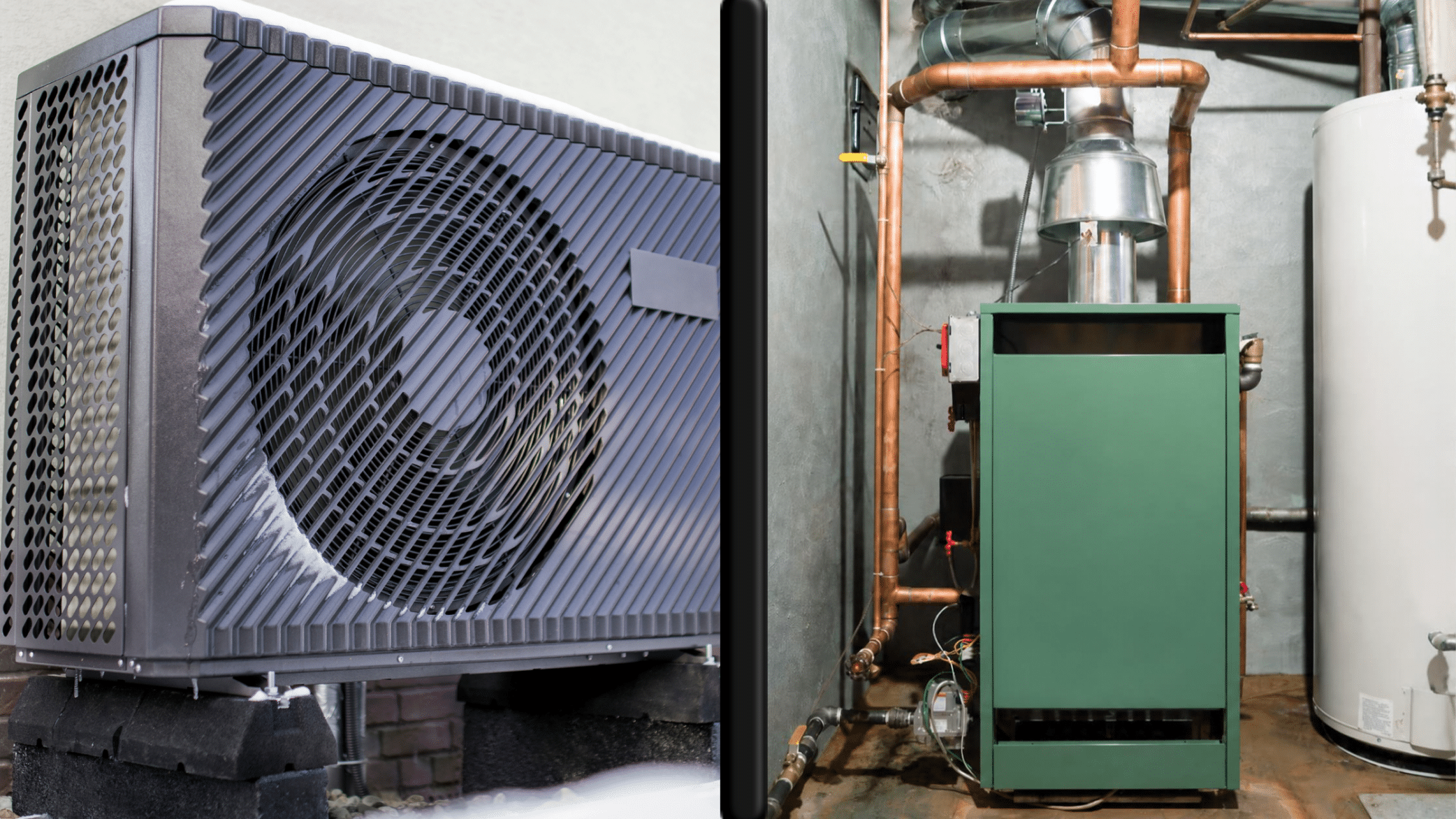
A gas furnace burns natural gas to make heat, and a blower pushes that warm air through your ducts. A heat pump runs on electricity and moves heat from the outdoor air into your house, then reverses in summer to cool it. Because a heat pump moves heat instead of making it, it can deliver the same warmth with less energy.
That difference shapes everything else in the comparison: running costs, how the equipment handles a deep freeze, and what you can replace in one project.
Cold Climate Heat Pump Performance in Syracuse
Standard heat pumps lose output as the temperature drops, which is why models designed for cold climates exist. They’re built to keep heating through the nights Syracuse is known for, and many homes still pair one with a backup heat source for the coldest stretches. Keeping your existing furnace as that backup is called a dual-fuel setup, and it’s an option with a heat pump installation.
A furnace has no such limit. It produces heat at the same rate whether it’s 30 degrees or well below zero, which is the main reason it remains the default for older, drafty houses.
Where the Furnace Holds the Edge
A gas furnace heats quickly, handles the sharpest cold snaps without help, and costs less to install in a home that already has gas and ductwork. If your house is leaky and hard to insulate, that steady output matters more than efficiency.
Where the Heat Pump Pulls Ahead
A heat pump heats and cools with one unit, so it can replace an aging furnace and an aging AC in the same project. It also uses less energy in mild weather, and plenty of Syracuse winter days are cold without being extreme.
Furnace vs. Heat Pump: Operating Costs
Which one costs less to run depends on what you pay per unit of gas and per kilowatt-hour of electricity, plus how well your house holds heat. A tight, well-insulated home tends to favor the heat pump. A leaky older home with cheap gas can still favor the furnace.
Before you commit, ask for a comparison based on your own utility rates and your home’s insulation, not an average. That keeps the numbers specific to your house.
Rebates and the Clean Heat Program
New York’s Clean Heat program offers rebates, primarily for heat pump installations, and you need a participating contractor to qualify. Clean Heat rebates can offset a meaningful share of the upfront cost, which narrows the price gap with a furnace.
Rebate amounts and eligibility rules change, so confirm the current figures before you decide. Your panel matters too, because a heat pump can need extra electrical capacity, and the heat pump electrical requirements for a Syracuse house are worth reviewing early.
Which One Should You Choose?
Your house, not the equipment, should drive the decision. These questions help sort it out:
- Gas service: If you have it and your ducts are in good shape, a new gas furnace is a straightforward replacement.
- Insulation: If your house holds heat well, a heat pump is more likely to lower your bills.
- Cooling needs: If your AC is also near the end of its life, a heat pump covers both jobs.
- Backup plan: If you want guaranteed heat on the coldest nights, a furnace or dual-fuel pairing gives you that.
A technician who looks at your ducts, insulation, and panel can turn those four answers into a clear recommendation. If a furnace is the answer, furnace installation is the next step, and a heat pump follows the same path with a different sizing and electrical review.
Compare Furnace and Heat Pump Options for Your Home
Hummingbird Heating and Cooling installs gas furnaces and heat pumps across Syracuse and Onondaga County, and we’re an active participant in New York’s Clean Heat program. We’ll look at your ductwork, insulation, and electrical panel before we recommend either one. Schedule a heating consultation and we’ll walk you through the options.
Frequently Asked Questions About Furnace vs. Heat Pump
Why is my electric bill so high with a heat pump?
A heat pump uses electricity for all of your heating, so the bill rises in winter even when the unit is efficient. Leaky ducts, poor insulation, or a unit that’s too small can push it into backup electric heat strips, which use far more power. A technician can check the sizing and settings to see if that’s happening.
How much should a new furnace or heat pump cost?
The price depends on the size of your house, the efficiency level you choose, the condition of your ductwork, and whether your electrical panel needs work. Heat pumps usually cost more up front than gas furnaces, and rebates can close part of that gap. Get a written quote that lists the equipment and any duct or electrical work, so you can compare options fairly.
Why don’t contractors like heat pumps?
Some contractors avoid them because a heat pump needs careful sizing, a ductwork review, and sometimes electrical upgrades, and a rushed install leads to cold rooms and high bills. Done correctly, those issues are avoidable. Ask any contractor how they size the unit and whether they’re a participating Clean Heat contractor.