Available 24/7! Call now to schedule! (315) 399-9962

Pre-Summer AC Tune-Up: What Syracuse Homeowners Need to Know

Central New York has a way of skipping spring entirely. One week you’re shoveling a late-March surprise, and the next you’re waking up to an 82-degree Friday with 70% humidity. For homeowners in the Syracuse area, that seasonal whiplash is more than uncomfortable — it’s a real risk to your air conditioning system.

Waiting until the first heatwave to flip on your AC is one of the most common and costly mistakes CNY homeowners make. A pre-summer tune-up is the straightforward fix, and understanding why it matters for this specific region makes all the difference.

Why Syracuse Is Hard on Air Conditioning Equipment

Syracuse isn’t just any city. It sits in a climate zone that delivers some of the heaviest snowfall in the continental U.S., and that brutal winter has direct consequences for your outdoor AC unit come spring.

The EPA’s guidance on outdoor air quality and particulate matter helps explain why debris accumulation around mechanical equipment is taken seriously — and in CNY, that debris problem is uniquely layered.

There are two culprits in particular that HVAC technicians pull out of Syracuse-area units every spring:

  • Cottonwood seeds: From late May into June, cottonwood trees release massive amounts of fluffy white seeds that look like snow. These seeds are drawn directly into outdoor condenser units, coating the coil fins and restricting airflow in a matter of days. A blocked coil forces your compressor to work harder, driving up energy costs and accelerating wear.
  • Winter road salt dust: Syracuse roads are heavily treated through a long winter season. Once temperatures rise and things dry out, fine salt particulate becomes airborne and settles on condenser coils. Salt is corrosive. Over time, it degrades the aluminum fins and copper tubing that your system depends on to transfer heat.

Together, these two seasonal realities mean your AC unit has been sitting through months of harsh conditions and emerges in spring ready to accumulate more. A tune-up cleans and inspects the system before those conditions compound into a breakdown.

The Real Cost of Skipping a Tune-Up

Skipping annual maintenance doesn’t save money — it just delays the bill and makes it larger. Understanding what actually happens to a neglected system helps put the decision in context.

The most common July HVAC service calls in Central New York share a few root causes that a spring tune-up directly prevents:

  • Refrigerant issues: Low refrigerant forces the system to run longer to reach your set temperature, burning more electricity and stressing the compressor. A tune-up catches this early, before it becomes an emergency call on a 90-degree afternoon.
  • Dirty evaporator coils: The indoor evaporator coil collects dust and debris over the heating season. A dirty coil reduces cooling efficiency and can eventually cause the coil to freeze, shutting the system down entirely.
  • Capacitor failure: Capacitors help start and run the motors in your system. Heat and age degrade them, and a capacitor that makes it through winter barely holding on often fails on the first truly hot day when the system is asked to work hardest.
  • Clogged condensate drains: As your AC removes humidity from the air, that moisture drains away through a condensate line. When that line is blocked by algae or debris, water backs up into the system and can damage equipment or cause water intrusion in your home.

None of these failures announce themselves in advance. They surface on the hottest day of the year, when every HVAC company in the region is already booked solid.

For a full picture of what to watch for season to season, the air conditioning maintenance checklist on our blog walks through the homeowner-side tasks worth building into your routine alongside professional service.

What a Professional AC Tune-Up Actually Covers

“Tune-up” is a term that gets used loosely in the HVAC industry, so it’s worth being specific about what a thorough pre-summer service includes. A proper central NY HVAC service visit before cooling season should cover both the outdoor and indoor portions of your system.

On the outdoor condenser unit, a technician should:

  • Coil cleaning: Remove cottonwood seeds, salt residue, and debris from the condenser coil fins using a coil cleaner and low-pressure rinse — not a high-pressure washer, which can bend the fins.
  • Electrical component inspection: Test capacitors, contactors, and wiring connections for signs of wear, corrosion, or failure risk.
  • Fan motor check: Verify that the condenser fan is operating at the correct speed and that the motor bearings are in good condition.
  • Refrigerant level assessment: Check system pressures to confirm refrigerant charge is within the manufacturer’s specified range.

On the indoor air handler or furnace/coil assembly, the visit should include:

  • Evaporator coil inspection: Check for dust buildup, frost patterns that suggest airflow issues, and general coil condition.
  • Condensate drain flush: Clear the drain line and treat it to inhibit algae growth through the season.
  • Filter check and replacement: Confirm the filter is clean and properly seated heading into the high-use season.
  • Blower motor and belt check: Verify airflow through the indoor unit is within spec.

Finally, the technician should run the full system in cooling mode and verify temperatures, pressures, and electrical draws match the manufacturer’s specifications for that equipment.

If your system is due for a full review of what’s covered and what isn’t, our HVAC maintenance and service page outlines what each visit includes.

When to Schedule Your Tune-Up (And Why Timing Matters)

The window for pre-summer AC maintenance in Syracuse is roughly late April through the end of May. That range gives technicians time to address any issues discovered before the heat arrives, and it falls just before the annual cottonwood seed bloom that peaks in late May and June.

Scheduling in this window also means you’re calling before the summer rush. By mid-June, HVAC companies across CNY are fielding emergency no-cool calls and routine tune-up appointments get pushed back weeks. Homeowners who book in April and May get their pick of appointment times and walk into summer with a system that’s already been confirmed ready.

If your system is older and you’re weighing whether a tune-up makes sense or whether it’s time to consider replacement instead, the New York State Energy Research and Development Authority (NYSERDA) maintains information on energy-efficient equipment incentives and rebates available to Central New York homeowners that can help frame that decision.

For homeowners still running older equipment through another season, a spring tune-up is especially important — not just for performance, but to get a clear picture of the system’s actual condition before a hot stretch puts maximum demand on it.

What Homeowners Can Do Between Service Visits

Professional service handles the technical side, but there are a few things you can manage on your own to protect the system between tune-up appointments.

After cottonwood season peaks, take a look at your outdoor unit. If you can see seed fluff packed along the sides or bottom of the unit, a gentle rinse with a garden hose (water directed downward through the fins, not upward) can clear surface debris between professional coil cleanings.

Keep the area around the outdoor unit clear of tall grass, mulch buildup, and any stored items that block airflow to the sides and top of the unit. Manufacturers typically recommend 18 to 24 inches of clearance on all sides.

Inside, keep up with filter changes on a regular schedule. During active cooling season, a 30-day filter in a home with pets or dusty conditions may need replacement more frequently than the packaging suggests.

For a more complete breakdown of the homeowner tasks that complement professional service, our post on home HVAC care tips covers the between-visit basics in detail.

Ready to Prep Your AC for a CNY Summer?

If your system hasn’t had a professional tune-up in the past 12 months, now is the time to get on the schedule before the rush. Hummingbird Heating & Cooling serves homeowners throughout the Syracuse area with thorough pre-season AC maintenance that accounts for the specific conditions Central New York systems face every spring.

Don’t wait for the first 85-degree day to find out your system isn’t ready. Schedule your AC tune-up with Hummingbird and head into summer with confidence.
Is Your Syracuse Home’s Electrical Panel Safe? 5 Warning Signs

If your Syracuse home was built before 1980, there’s a good chance the electrical panel inside it was designed for a very different way of life. Central air conditioning, heat pumps, EV chargers, home offices — none of that was part of the picture when many of Central New York’s historic and mid-century homes were wired. As spring arrives and homeowners start dusting off window units, firing up power tools, or planning summer renovation projects, that aging panel quietly takes on more load than it was ever meant to handle.

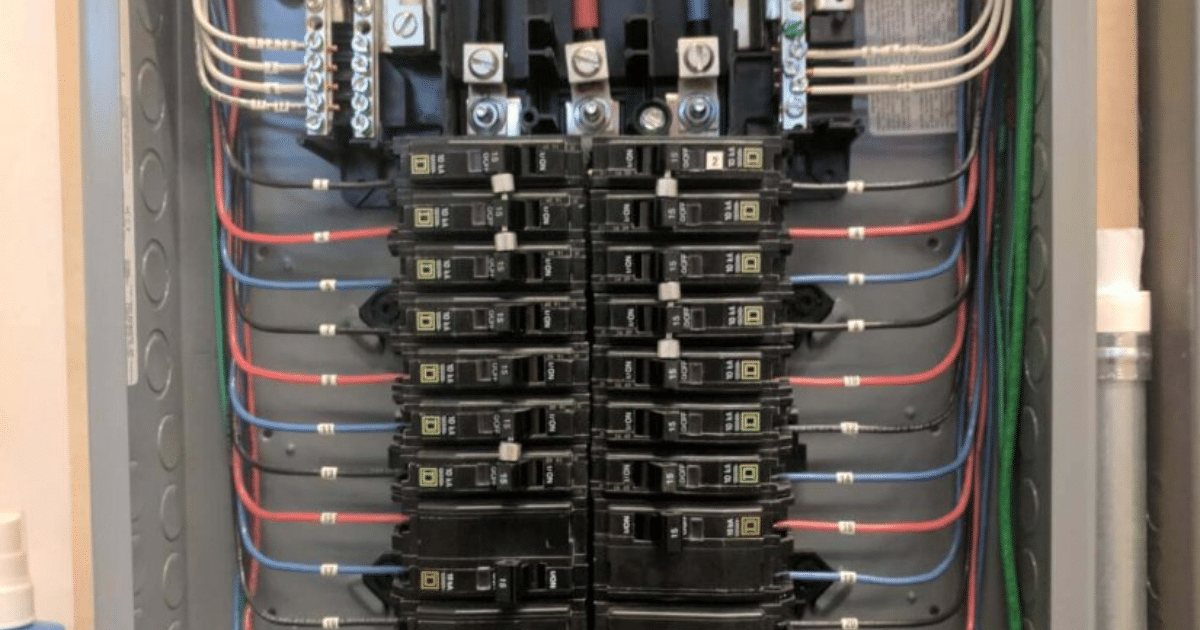
The electrical panel is the command center of your home’s power supply. It receives electricity from the utility, distributes it to every circuit in the house, and relies on circuit breakers to shut things down automatically if a circuit gets overloaded. When the panel is working correctly, you never have to think about it. When it’s not, the consequences range from annoying and inconvenient all the way to genuinely dangerous. According to the National Fire Protection Association, electrical failure and malfunction are among the leading causes of home structure fires in the United States.

Here are five warning signs that your Syracuse home’s electrical panel may need attention — and why this spring is the right time to act.

Warning Sign #1: Your Circuit Breaker Is Tripping Frequently

A circuit breaker that trips now and then is doing exactly what it’s supposed to do — protecting your home from an overloaded circuit. But if you’re resetting the same breaker repeatedly, or if breakers are tripping across multiple circuits, that’s a sign something deeper is wrong.

Frequent tripping often means one of three things: the circuit is genuinely overloaded by modern appliances and devices, the breaker itself is worn out and failing to hold properly, or the panel no longer has enough capacity to serve the home’s overall electrical demand. All three scenarios call for a professional evaluation.

This problem tends to surface in spring and early summer in the greater Syracuse area, when homeowners start running window air conditioners, dehumidifiers, and shop tools in the garage all at the same time. If your breaker trips every time the AC kicks on, that’s not just annoying — it’s a red flag that your panel may be undersized or deteriorating.

When circuit breaker tripping frequently is a pattern rather than an occasional occurrence, the right call is a thorough electrical home safety inspection in Syracuse to find out what’s actually driving the problem.

Warning Sign #2: Your Home Has a Federal Pacific or Zinsco Panel

This one is worth its own section because it applies to a significant number of older homes in the Syracuse area. Federal Pacific Electric (FPE) panels with Stab-Lok breakers were widely installed in homes built between the 1950s and early 1980s. Zinsco panels were popular through the 1960s and 1970s. Both brands became industry-wide safety concerns — and for good reason.

The core problem with both is that their breakers are prone to failing to trip when they should. When an overloaded circuit can’t shut itself off, the wiring continues to carry current it was never rated for. That heat buildup can smolder inside walls for hours before it becomes visible.

The Consumer Product Safety Commission (CPSC) conducted testing on FPE Stab-Lok breakers and found that a large percentage failed to meet Underwriters Laboratories standards. Independent research published in 2012 linked FPE panels to an estimated 2,800+ residential electrical fires per year nationally. With Zinsco panels, the breakers are known to fuse to the main bus bar over time, which means they physically cannot trip even when the panel appears normal from the outside.

If your panel says “Federal Pacific,” “Stab-Lok,” “Zinsco,” “Sylvania,” or “GTE-Sylvania” on the door, Federal Pacific panel replacement should move to the top of your home maintenance list — not the bottom. Some insurers in New York have begun declining coverage or increasing premiums on homes with these panels, so the financial stakes extend well beyond the safety concern alone.

Warning Sign #3: The Panel Feels Warm, Makes Noises, or Has Visible Damage

Your electrical panel should be quiet, cool to the touch, and clean on the inside. If it’s not, that’s a problem that shouldn’t wait for your next renovation project.

Warmth radiating from the panel door can indicate that current is building up somewhere it shouldn’t be. A buzzing, crackling, or sizzling sound from the panel — even faint — is a sign of arcing, which is a leading cause of electrical fires. Any scorch marks, melted plastic, or a burning smell near the panel box are serious warning signs that something has already gone wrong inside.

Older panels in Syracuse homes sometimes show these symptoms because the breakers and bus bars have degraded over decades of use. Salt air, humidity cycles from our winters and summers, and the general aging of materials all take a toll on electrical components that homeowners rarely think to inspect. If you notice any of these symptoms, don’t wait — electrical panel repair in Syracuse is far less costly than the alternative.

Warning Sign #4: Your Home Still Has a 100-Amp Panel or Fuse Box

The standard for most residential electrical service today is 200 amps. Homes built before the 1970s often came with 60-amp or 100-amp service, which was adequate when electric demand in a typical home was a fraction of what it is now.

Think about what’s running in a modern home: a central air conditioner or heat pump, a refrigerator, a dishwasher, a washer and dryer, multiple TVs, computers and chargers, smart home devices, and possibly an EV charger or home workshop. A 100-amp panel can struggle to handle that load reliably, and a 60-amp fuse box almost certainly can’t.

Beyond capacity, fuse boxes present their own risks. When fuses are blown, homeowners sometimes replace them with a fuse rated for more current than the wiring is designed to carry. That bypasses the protection the system is supposed to provide. If your Syracuse home still has a fuse box with glass screw-in fuses, upgrading is something to think seriously about — especially before a renovation or any major appliance addition.

If you’re thinking about adding a heat pump this year, for example, our recent blog on heat pump electrical requirements for Syracuse homeowners covers exactly why the panel needs to be evaluated first. The two decisions — new equipment and electrical capacity — are directly connected.

Warning Sign #5: You’re Planning a Renovation or Adding New High-Draw Appliances

Spring is renovation season across the Syracuse area, and many homeowners use the warmer months to start the projects they’ve been putting off. Finished basements, kitchen remodels, garage workshops, new HVAC systems, and added outdoor circuits all increase the electrical load on a home. Before any of that work begins, the panel needs to be able to support it.

Adding circuits to an already crowded panel — or worse, to a panel that’s already at its capacity limit — creates safety risks that may not show up right away. A licensed electrician should review the panel, calculate the total electrical load, and determine whether dedicated circuits, a panel upgrade, or a service increase is needed before the renovation work begins.

This is also the right time to think ahead. If you’re considering upgrading to a heat pump, adding an EV charger, or even running a dedicated circuit for a new home office or appliance, having that conversation now means you can plan the electrical work alongside the rest of the project instead of hitting a roadblock mid-renovation.

Syracuse homeowners who want to reduce their energy bills while managing their electrical system wisely can also read up on energy-saving strategies for New York homes — making sure the panel can keep up is step one.

Why Spring Is the Right Time for an Electrical Inspection in Syracuse

There’s a reason electrical issues tend to show up in spring and early summer. After months of heavy winter heating load, panels and wiring have been working hard. Then homeowners switch over to air conditioning, plug in outdoor equipment, and start tackling projects that add even more demand. That transition puts real stress on a system that may already be stretched thin.

Getting a professional electrical home safety inspection in Syracuse before the summer heat arrives gives you a clear picture of where your panel stands before you add to its burden. It’s also the time of year when scheduling is more flexible — before the busy season for home services kicks into full gear.

An inspection can confirm that your panel is safe and properly sized, identify breakers that are wearing out, spot any wiring concerns, and give you an honest assessment of whether an electrical panel upgrade in Syracuse makes sense for your home.

Schedule Your Electrical Home Safety Inspection with Hummingbird

Hummingbird Heating, Cooling, Plumbing & Electric serves homeowners throughout the greater Syracuse area, including Auburn, Baldwinsville, Camillus, Fayetteville, and Manlius. Our licensed electricians can evaluate your electrical panel, identify any of the warning signs outlined above, and walk you through your options — whether that’s a targeted repair, a Federal Pacific panel replacement, or a full electrical panel upgrade. We’re available 24/7 and treat every home like our own. Give us a call at (315) 399-9962 or schedule your inspection online today.

4 Best Heating Systems for Syracuse Homes: A Pros & Cons Guide

Choosing the best heating system in Syracuse isn’t just about comfort – it’s about surviving winters that regularly dip below zero, managing National Grid energy bills, and making the right long-term investment for your home. With so many options available, knowing which systems actually perform well in Central New York’s climate can feel overwhelming.

This guide breaks down the four most common home heating systems in Syracuse (natural gas furnaces, propane/oil furnaces, boilers, and cold-climate heat pumps) and helps you compare them based on real-world factors: cost, efficiency, maintenance, home age, and extreme-cold performance.

Whether you live in a classic University-area home, an older Northside colonial, or a new build in Clay or Liverpool, this guide will help you make a confident decision.

1. Natural Gas Furnaces: The Most Common Choice in Syracuse

Natural gas is one of the most widely used heating fuels in Central New York, largely because many Syracuse neighborhoods already have gas lines in place. Gas furnaces are known for strong heat output and reliable operation even when temperatures fall below zero.

Pros

  • Excellent performance in sub-zero temperatures
  • Lower operating cost compared to propane and oil
  • Heats quickly and maintains consistent indoor temperature
  • Compatible with most ducted homes in Syracuse

Cons

  • Requires existing natural gas service (not available everywhere)
  • Older ductwork in Syracuse homes may reduce efficiency
  • Produces dry indoor air, requiring humidification for comfort

Best for: Homes with existing gas service, homeowners who want strong and steady heat, and older homes with solid ductwork.

If you’re considering a gas furnace installation, see Hummingbird’s page for details on system sizing and efficiency options.

2. Propane & Oil Furnaces: Strong Heat for Homes Without Gas Lines

Many rural and outer areas of Onondaga County rely on propane or fuel oil, especially where natural gas infrastructure isn’t available. These systems deliver powerful heat but come with higher fuel costs and larger storage needs.

Pros

  • High heat output, great for older, draftier homes
  • Works reliably in extreme cold
  • Flexible placement since they rely on on-site tanks

Cons

  • Higher monthly cost due to propane/oil pricing fluctuations
  • Requires tank refills, sometimes during peak winter
  • More maintenance due to soot and residue buildup
  • Older tanks may eventually need replacement

Best for: Homes outside city limits or properties where installing gas service isn’t possible.

3. Boilers (Natural Gas, Propane, or Oil): Ideal for Radiator-Style Heating

Syracuse has many older homes (Westcott, Strathmore, Eastwood) that were built with hydronic heating systems. Boilers heat water and circulate it through radiators or baseboards, creating even, comfortable warmth without ductwork.

Pros

  • Extremely comfortable, consistent heat
  • No ductwork means fewer drafts and less dust
  • Quiet operation
  • Long lifespan when maintained

Cons

  • Slower heat response compared to furnaces
  • More expensive to install
  • Harder to add central AC later without ductwork
  • Radiator systems can limit interior layout changes

Best for: Older homes already equipped with radiators, homeowners who prefer “radiant-style” comfort, and those wanting low-noise operation.

If your system needs work, see Hummingbird’s boiler service details here.

4. Cold-Climate Heat Pumps: The Newest (and Fastest-Growing) Heating Option

With New York State pushing hard for energy-efficient heating, cold-climate heat pumps have become increasingly common in Syracuse. These systems both heat and cool, run on electricity, and operate far more efficiently than traditional electric furnaces.

Modern cold-climate heat pumps are designed to work well down to -13 degrees – a necessity here.

Pros

  • Provides heating AND cooling in one system
  • Lower monthly bills due to high efficiency
  • Works well in ducts or ductless setups (great for additions or older homes)
  • Qualifies for NY Clean Heat and federal incentives

Cons

  • Performance drops during multi-day extreme cold snaps
  • May require a backup heat source for older or less insulated homes
  • Higher upfront cost than standard furnaces

Best for: Homes with good insulation, homeowners wanting lower energy bills, and families considering ductless systems for rooms without existing ducts.

Cost Comparison for Syracuse Homes

These are general trends based on typical Syracuse energy costs and home types:

  • Lowest upfront cost: Natural gas furnace
  • Lowest monthly bills: Cold-climate heat pump (if paired with good insulation)
  • Most consistent heat: Gas, oil, or propane furnaces
  • Quietest, most comfortable: Boilers
  • Best for homes without ducts: Boilers or ductless heat pumps
  • Best all-season system: Cold-climate heat pump

Which Heating System Is Right for Your Syracuse Home?

Your decision should factor in your home’s layout, insulation condition, ductwork, and long-term energy goals. In older Syracuse homes, especially those built before the 1950s, insulation and air sealing can heavily affect system performance. Meanwhile, newer developments might be better suited for heat pumps or high-efficiency gas furnaces.

Hummingbird Heating & Cooling can evaluate your home and walk you through each option based on comfort, budget, and long-term performance.

Call 315-399-9962 to schedule a heating consultation today.

Schedule Service

Contact Form

"*" indicates required fields

This field is for validation purposes and should be left unchanged.

* By clicking “Send Message”, I am providing express written consent to receive autodialed and pre-recorded calls, texts, and SMS/MMS with marketing communications from Hummingbird Heating, Cooling, Plumbing & Electric regarding home services at the phone number provided above, even if the number is on a corporate, state, or national Do Not Call list. Consent is not a condition to purchase services or products.