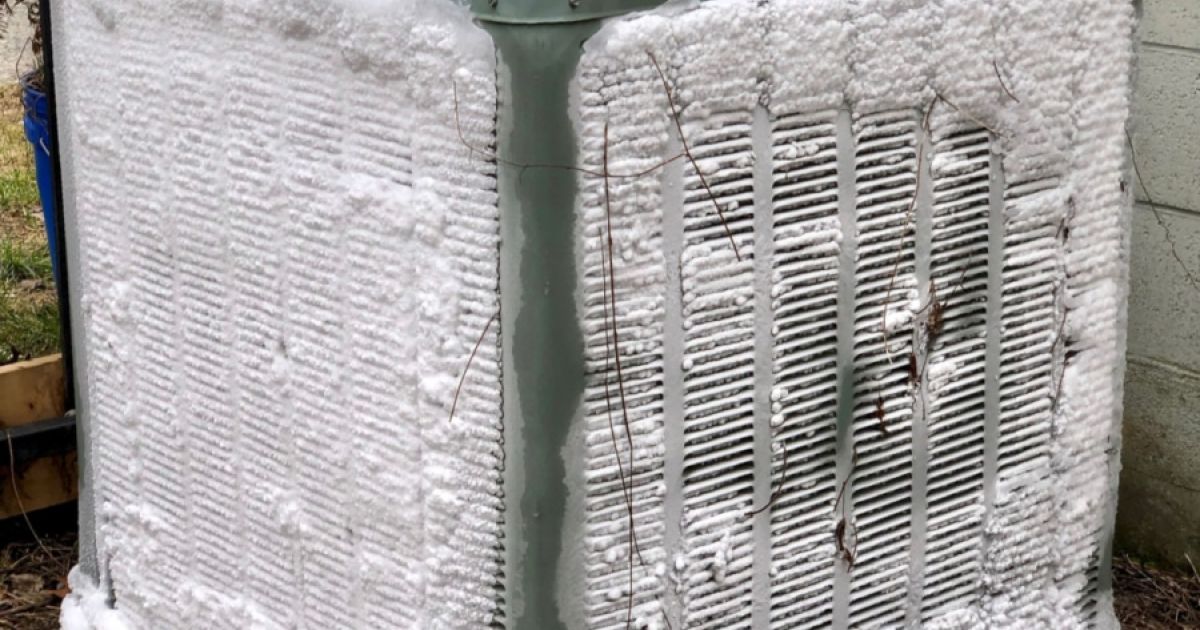
Frozen AC coils usually come from restricted airflow or low refrigerant. When a dirty filter, blocked vents, or a refrigerant leak pushes the evaporator coil below freezing, moisture in the indoor air turns to ice on its surface. Turning the AC off and letting the ice melt is the first fix, but a coil that freezes more than once needs a technician.
How to Tell Your AC Coils Are Frozen
The evaporator coil sits inside your air handler or on top of your furnace, so you often won’t see the ice until it has built up. Weak airflow from the vents and air that feels warm or only slightly cool are the usual first clues.
You might also spot frost on the larger copper line running to the outdoor unit. Because the coil is indoors, ice outside often traces back to something inside the house. Melting ice can also overflow the drain pan and look like an AC leaking water problem when the real cause is the ice.
What Causes Frozen AC Coils?
A coil freezes when it gets colder than the moisture in your indoor air can tolerate. Airflow and refrigerant keep the coil in a safe temperature range, so most freeze-ups trace back to one of them.
Restricted Airflow
A clogged air filter is the most common culprit, followed by closed or blocked return vents and a weak blower motor. Without enough warm air moving across the coil, its surface keeps getting colder until ice forms. Swapping the filter and opening every vent is a quick check you can do yourself.
Low Refrigerant
Refrigerant doesn’t get used up, so a low level means a leak somewhere in the lines or the coil. Less refrigerant drops the pressure inside the evaporator coil, which makes the coil cold enough to freeze. Adding refrigerant without fixing the leak only delays the next freeze.
A Dirty Evaporator Coil
Dust and grime on the coil work like a blanket that blocks heat transfer. The coil runs colder in the spots that still get airflow, and ice spreads from there. A cleaning during AC maintenance removes that buildup before it causes trouble.
Running the AC on Cool Nights
Central New York has plenty of May, September, and October nights when the temperature drops into the 50s or lower, yet the AC still switches on. Running a central AC in cool weather lowers the coil’s temperature and can freeze it even when the equipment is healthy. Opening a window or switching to heat on those nights protects the coil.
What to Check Before You Restart the AC
Once the ice has melted completely, a few quick checks can tell you whether the fix is simple.
- Look at the filter: Replace it if it’s gray with dust or hasn’t been changed in the last few months.
- Open every vent: Closed or blocked supply and return vents cut airflow even when the filter is clean.
- Check the drain pan: Mop up standing water and look for a clogged condensate line.
- Restart and watch: If ice returns within a day or two, shut the AC off again.
Those checks solve the problem when a clogged filter or blocked vent was the cause. They won’t help with the causes you can’t see or fix yourself.
When Frozen AC Coils Need a Technician
Refrigerant leaks, failed blower motors, and electrical faults all show up as ice, and none of them goes away with a filter swap. Repair cost depends on the cause: a dirty filter is nearly free to fix, while a leak or a blower motor takes parts and labor.
If the coil freezes again after you’ve replaced the filter and cleared the vents, AC repair is the next step. A technician can find the leak or failed part instead of guessing, and running the AC while it’s iced over risks damage to the compressor.
Preventing Frozen AC Coils
A filter changed every one to three months, clear vents, and a yearly tune-up before cooling season handle most of the risk. Ask the technician to check the refrigerant level and clean the coil during that visit, since both are common freeze-up causes.
Schedule AC Service Before Next Summer
At Hummingbird Heating and Cooling, we offer AC coil service, maintenance, and repair for homes in Syracuse and the surrounding areas. If your AC has frozen once, we can track down the cause before cooling season starts again. When you’re ready, schedule AC repair and we’ll get a technician out to you.
Frequently Asked Questions About Frozen AC Coils
How long should I leave my AC off if it’s frozen?
Leave the cooling off until the ice has melted completely, which usually takes a few hours and can take a full day after a heavy buildup. Running only the fan speeds up the thaw. Restarting too early can refreeze the coil and strain the compressor.
Will AC coils unfreeze on their own?
The ice melts once the AC stops running, but the cause stays in place. A coil that thaws and then freezes again is telling you airflow or refrigerant is off. Ignoring a repeat freeze can lead to compressor damage.
What is the fastest way to thaw a frozen AC coil?
Set the thermostat to Off and the fan to On so warm indoor air moves across the coil. Don’t chip or scrape the ice, because the coil’s thin fins bend and the tubing can crack. Keep towels or a wet-dry vacuum near the drain pan to catch the meltwater.