Available 24/7! Call now to schedule! (315) 399-9962

5 Reasons Your Air Conditioner Is Leaking Water (And What to Do)

A puddle near your indoor air handler, a wet spot on the ceiling below an attic unit, or water dripping from a window unit are all signs that something inside your cooling system is not draining the way it should. An air conditioner leaking water inside the house is rarely random, and figuring out which of a handful of common causes is behind it usually points straight to the fix. Here are the five most common reasons this happens and what each one means for your home.

1. A Clogged Condensate Drain Line

This is by far the most common cause of an AC leaking water inside a house. As your air conditioner cools the air, it pulls moisture out of it, and that water is supposed to travel through a condensate drain line and out of the house. Over a full cooling season, algae, dust, and debris build up inside that line and eventually block it completely.

Once the line is blocked, condensate has nowhere to go but back up and out of the drain pan, which is exactly when homeowners start noticing water where it should not be. A clear line is a simple fix, but a line that clogs repeatedly usually means it needs a deeper cleaning or a properly installed vent to keep it flowing.

2. A Full or Overflowing Drain Pan

Every central air system has a drain pan positioned under the evaporator coil to catch condensate before it reaches the drain line. If that pan cracks, rusts through, or simply overflows because the drain line is not keeping up, water spills out and often ends up on the floor or ceiling below.

An older drain pan, especially one made of galvanized metal instead of plastic, is more likely to corrode over time. If your system is more than a decade old, a failing drain pan is worth ruling out early.

3. A Frozen Evaporator Coil That Is Melting

When airflow across the evaporator coil is restricted, whether from a dirty air filter, blocked vents, or low refrigerant, the coil can drop below freezing and ice over. That ice does not stay frozen forever. Once the system cycles off or airflow improves even slightly, all of that built-up ice melts at once, and the drain pan and line are often not built to handle that sudden volume.

A frozen coil is also a sign your system is struggling to cool your home properly, so the water leak is often paired with weak airflow or a home that feels warmer than it should.

4. Improper Installation or a Disconnected Line

Not every leak traces back to age or buildup. Sometimes a condensate line was never sloped correctly, was left loosely connected, or was routed in a way that lets gravity work against it instead of for it. This is more common after a DIY repair or an installation that was rushed.

If your system is newer and already leaking, installation is one of the first things worth checking, since a properly pitched and secured line should not need attention for years.

5. High Humidity Overwhelming the System

Central New York summers bring plenty of humid stretches, and an air conditioner that is undersized, aging, or simply working overtime during a humid spell can produce more condensate than its drain system was designed to handle. The U.S. Department of Energy notes that routine maintenance, including keeping coils and drain lines clear, is one of the most effective ways to keep a central air system running efficiently during heavy use. This is also where a similar issue shows up with high-efficiency furnaces, which produce their own condensate year round and can leak in summer if that separate drain line clogs at the same time your AC is running hard.

If your system has been leaking on top of other performance issues, our post on troubleshooting an AC that can’t keep up with NY humidity covers additional causes worth ruling out.

Preventing Water Damage From Your AC

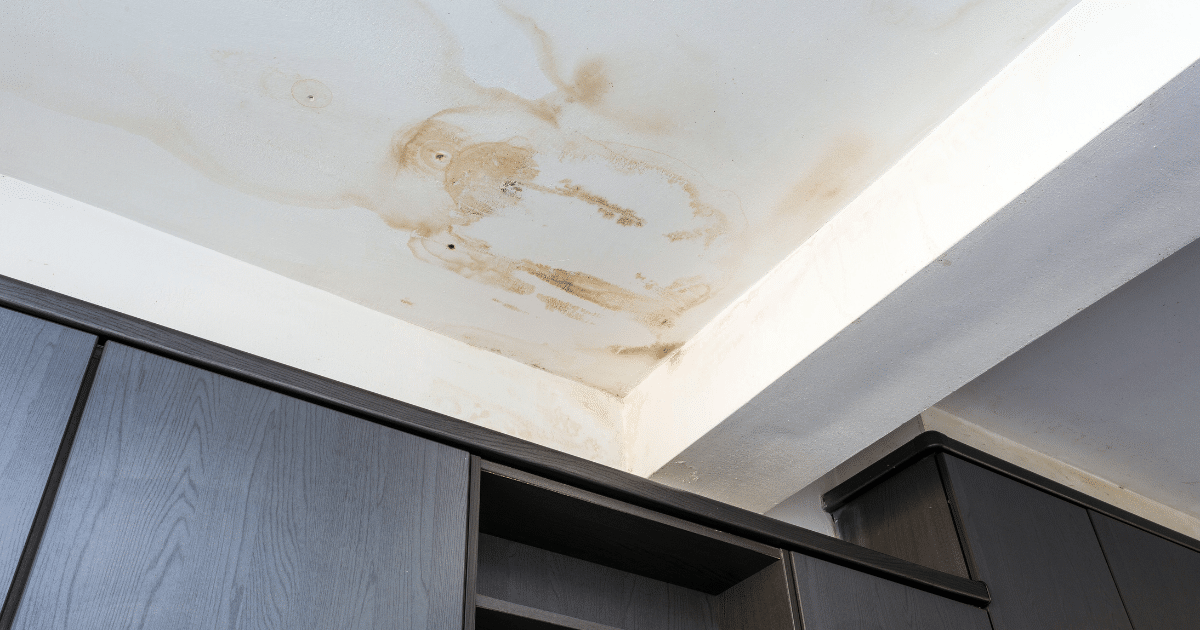
A leaking air conditioner is not just an inconvenience. Left unaddressed, it can damage flooring, drywall, and ceilings, and create the kind of moisture problem that leads to mold. The U.S. Environmental Protection Agency points to unresolved moisture as one of the leading causes of indoor mold growth, which is exactly why a small AC leak is worth addressing quickly rather than waiting it out. Turning the system off and calling for service as soon as you notice a leak is the safest first step, since running a system with a blocked or damaged drain path usually makes the water problem worse.

Routine AC maintenance catches a clogged drain line or an aging drain pan before either one turns into a leak, which is one of the simplest ways to avoid this problem altogether. If your air conditioner is already leaking, our technicians at Hummingbird Heating, Cooling, Plumbing & Electric can track down the exact cause, whether that means clearing a line, replacing a pan, or diagnosing an airflow issue behind a frozen coil. Schedule AC repair with our team, or contact us to get on the schedule before a small leak becomes a bigger repair.

FAQs About AC Leaking Water

How do I stop my AC unit from leaking water inside?

Start by turning off the system so you are not pushing more condensate through a blocked or damaged path. Check the air filter, since a dirty filter is a common trigger for the frozen coil that leads to leaks once it thaws. If the leak continues or you cannot find an obvious cause, a technician can clear the drain line, inspect the pan, and check refrigerant levels.

Should I turn off my AC if it’s leaking water?

Yes, turning the system off is the safest first step once you notice water where it should not be. Continuing to run the system can add more water damage and, in some cases, cause a frozen coil to thaw and release even more water at once. Shutting it down until the cause is identified limits the damage while you wait for service.

Is an AC leak an emergency?

An AC leak is not usually a life-safety emergency, but it should be treated with urgency because of the water damage it can cause to floors, ceilings, and drywall. The longer a leak continues, the more likely it is to lead to mold growth or structural damage. Scheduling service quickly, rather than waiting to see if it resolves on its own, is the safer approach.

Keeping Cool at Home Without a Working AC

When your air conditioner suddenly stops working and the summer heat isn’t letting up, it’s not just uncomfortable. It can make daily life feel unbearable, especially in older homes that tend to trap heat. At Hummingbird Heating, Cooling, Plumbing & Electric, we understand how frustrating this is, especially during those muggy Syracuse days when relief feels far away.

If you’re stuck waiting for a repair or replacement, there are still ways to stay comfortable in the meantime.

What’s a Reasonable Indoor Temperature?

Before we dive into tips, it helps to set realistic expectations.

Without a working AC, your home’s indoor temperature will naturally rise with outdoor heat. While fans and other tricks can help lower the perceived temperature, it may still feel warm. A 10–15 degree difference from outside temps is a realistic goal with passive cooling methods.

Ways to Stay Cool Without AC

These simple strategies can make a big difference while you wait on repairs – no complicated hacks or expensive tools required.

Block Out the Heat Early

One of the most effective ways to prevent heat buildup indoors is by keeping sunlight out during the day. Close your blinds and curtains early, especially on south- and west-facing windows that get the strongest afternoon sun. Even better if you have blackout curtains or thermal drapes – they do a surprisingly good job of keeping rooms cooler.

Once the sun sets and outdoor temps drop, open up your windows to let in fresh air. Just don’t forget to close them again in the morning before the heat returns! This can help your home feel a few degrees cooler throughout the day.

Use Fans Strategically

Fans don’t lower the actual temperature, but they do help you feel cooler by moving air across your skin. For the best results, use box fans or oscillating fans near open windows at night to pull in cooler air from outside. In the morning, switch them to push hot air out.

If you have ceiling fans, make sure they’re spinning counterclockwise – this pushes cool air downward and creates a wind chill effect.

You can also try a quick DIY trick: place a bowl of ice or a frozen water bottle in front of a fan to mimic an evaporative cooler. It won’t match a working AC, but every degree helps.

Unplug Heat Sources

Small appliances and electronics give off heat, and when your AC isn’t working, that extra warmth adds up. Avoid using the oven or stovetop, and opt for no-cook meals when you can. Microwaves, toasters, even desktop computers can make a room warmer than you’d expect.

In the evenings, try grilling outside, making cold salads, or prepping meals that don’t require heat. And don’t forget to switch off unnecessary lights, especially if you’re using older incandescent bulbs.

Stay Low and Hydrated

One thing’s for sure: Heat rises. If you have multiple stories in your home, head downstairs. Basements tend to stay significantly cooler, especially during heatwaves, and can be a comfortable place to sleep or relax.

Just as important: drink plenty of water. When your body is dehydrated, it struggles to regulate temperature, which can make you feel even more uncomfortable. Keep cold water nearby and avoid caffeine or alcohol, which can speed up dehydration.

Syracuse Summers Can Be Humid – Here’s Why That Matters

Syracuse isn’t just warm in the summer; it’s humid. And that sticky feeling makes it harder for your body to cool itself down. When the air is saturated with moisture, sweat doesn’t evaporate as easily, so you stay hotter longer.

That’s why a portable dehumidifier can make a big impact. Reducing humidity inside your home will help you feel more comfortable, even if the temperature stays the same. It’s a worthwhile investment, especially if AC outages are a recurring issue or your home tends to feel muggy.

Know When to Call for Backup

Tried the basics and still uncomfortable? It might be time to bring in an HVAC technician.

Simple troubleshooting – like replacing filters, checking your thermostat settings, or flipping the breaker – can sometimes solve the issue. But if that’s not working, don’t wait too long to get help.

The longer you go without service, the more strain you may be putting on your system and the harder it can be to get a fast appointment during peak summer.

At Hummingbird Heating, Cooling, Plumbing & Electric, we’re here to help Syracuse homeowners get back to comfort as quickly as possible. You can count on honest answers, reliable repair options, and a team that shows up when it matters most.

If your AC isn’t working, don’t wait – give us a call or schedule online today. We’ll make sure your home stays cool, no matter how hot it gets outside.

ac repair

Will AC Repairs Cost Me More in Warmer Months?

Your air conditioner has one job: to keep you cool when temperatures soar. Isn’t it Murphy’s Law that, just when the sun is blazing, your AC decides to act up? Suddenly, you’re sweating bullets over the thought of repair costs.

But is it true that AC repair costs spike during warmer months? The short answer is yes, repairs during summer often cost more. But don’t worry – we’re breaking down the reasons behind this seasonal cost jump and, more importantly, how you can avoid unexpected expenses.

Why Summer Repairs Often Cost More

Summer is the peak season for air conditioner usage, and that means everyone and their neighbor is rushing to book service. This surge in demand directly impacts repair costs and scheduling availability. Here’s why:

1. Higher Demand Means Tighter Schedules

When temperatures rise, so do the number of service calls. HVAC companies often operate at full capacity during the summer, which makes it harder to book technicians. Getting a technician sooner might require paying extra for priority or emergency services.

2. Emergency Repairs Are More Common

Extreme heat can push AC systems to their limits, leading to more frequent emergencies. Emergency or after-hours service calls generally cost more than standard repairs, simply due to their urgency and the technician’s extended scheduling.

3. Parts Can Be Priced Higher

The law of supply and demand extends to replacement parts as well. Compressor replacements, refrigerant lines, and fan motors may experience a price surge during peak season due to tighter supply chains. Backorders can also become a problem in the bustling summer months, delaying repairs and sometimes adding additional costs.

The Culprits Behind Summer AC Breakdowns

Wondering why your AC is more likely to quit on you mid-summer? Here are the most common reasons systems fail during the hottest months of the year:

  • Overworked Systems: Air conditioners work overtime during heatwaves, increasing the chance of mechanical failures.
  • Clogged Filters & Dirty Coils: Heavy use in summer exposes maintenance issues like blocked filters or grime-coated coils. Neglecting these can lead to restricted airflow or damaged components.
  • Low Refrigerant Levels: Refrigerant leaks are harder to ignore during hot weather, as your system struggles to maintain the cool air you need.
  • Frozen AC Lines: Believe it or not, a frozen evaporator coil is a common issue during summer. Overuse and dirty parts can cause the lines to freeze, making your AC inefficient or inoperable.
  • Wear and Tear: For older systems, the stress of constant heat can push them over the edge, resulting in costly breakdowns.

Proactive Steps to Dodge Unexpected Repairs

Good news! There are ways to avoid unexpected AC repairs and keep your system running smoothly all summer long. A little maintenance can go a long way:

  • Schedule a Tune-Up: Booking routine maintenance allows technicians to spot and fix potential problems before the summer rush.
  • Replace Filters Regularly: Dirty filters restrict airflow and put unnecessary strain on your system. Replace them every one to three months, depending on use.
  • Clear Debris from Outdoor Units: Trim plants and remove leaves or dirt around your outdoor condenser unit. This ensures proper airflow and prevents overheating.
  • Invest in a Smart Thermostat: A smart thermostat helps regulate usage, reducing strain on your AC system and cutting energy costs.

If you’re serious about avoiding surprise breakdowns, now’s the time to consider a professional maintenance plan. Because when the heat really hits, you’ll be glad you were proactive.

AC Repairs That Spike in Price During Summer

Some repairs are hit harder by the summer cost surge than others. Here’s a look at the common issues that might stretch your budget during peak heat:

  • Compressor Replacements: As a critical (and costly) component, compressors can be particularly expensive to repair or replace, especially if demand is high.
  • Refrigerant Leaks: Refrigerant prices fluctuate, and shortages often drive costs up in the summer.
  • Fan Motors and Capacitors: Overworked systems frequently experience motor or capacitor failures, which can result in costly repairs.
  • Emergency Electrical Repairs: The heat can overburden electrical systems, leading to blown fuses or frayed wires that require immediate attention.

Hummingbird Heating, Cooling, Plumbing & Electric Can Help You Beat the Heat

Yes, summer AC repairs can cost more, but most surprises can be prevented with a little foresight.

At Hummingbird Heating, Cooling, Plumbing & Electric, we’re here to keep you cool and comfortable with reliable service and transparent pricing. Based in Syracuse, our local experts understand the challenges of our climate and offer seasonal specials to help you save.

Need AC help? Call (315) 399-3962 today to schedule a tune-up or repair, and stay ahead of the summer heat!

How Water Can Wreck Your AC: Hidden Damage Homeowners Often Miss

Your air conditioner is supposed to bring relief, not trouble. But if water is building up in the wrong places, your AC system could be quietly suffering. Many homeowners overlook how water interacts with air conditioning systems, but moisture issues can lead to major damage, poor performance, and even complete system failure.

At Hummingbird Heating, Cooling, Plumbing & Electric, we’re often called in when cooling systems start acting up – and water damage is one of the most common (and preventable) causes. Below, we’ll walk you through the hidden ways water can wreck your AC and what you can do to stop it.

Why Is There Water In and Around Your AC System?

First things first – yes, it’s totally normal for your air conditioner to create some water. As your system cools the air, it also removes humidity, which condenses into water on the evaporator coil and drains away through the condensate line.

But when something disrupts that process, water can start to collect where it shouldn’t, and that’s when trouble begins.

Common AC Water Problems and the Damage They Cause

Clogged Condensate Drain Line

One of the most overlooked issues. When the condensate line gets clogged with dirt, algae, or debris, water backs up and can flood your drain pan or overflow into nearby walls or ceilings. Over time, this leads to mold growth, drywall damage, and even electrical hazards inside your system.

Rust and Corrosion

Excessive moisture inside your AC unit – especially near electrical components – can cause rust to form on coils, motors, and wiring. Once corrosion sets in, the performance of your system drops quickly, and components like your blower motor or control board may fail prematurely.

Frozen Evaporator Coils

Water can also cause freezing issues. When airflow is restricted or refrigerant levels are off, moisture on the coil can freeze, stopping the system from working properly. When that ice melts, it can overflow your drain pan and damage surrounding components.

Cracked Drain Pans

Old or brittle drain pans can crack without warning, especially if they’ve been exposed to constant water or sun exposure in outdoor units. That small crack can leak enough water to cause hidden damage in your attic, basement, or mechanical room.

Signs Water May Be Wrecking Your AC

Wondering if water is already causing problems in your system? Look out for these red flags:

  • Pooled water near your indoor unit or on the floor
  • Musty smells coming from vents or near the system
  • Weak airflow or inconsistent cooling
  • Sudden spikes in your energy bill
  • Water stains on nearby walls or ceilings

If you’re seeing any of these signs, it’s time to have your AC system inspected.

How to Protect Your AC From Water Damage

The best way to prevent water from wrecking your AC is routine maintenance. A certified technician will:

  • Inspect and clear the condensate drain line
  • Check refrigerant levels and airflow to prevent coil freezing
  • Test and inspect your drain pan for cracks or wear
  • Clean components to remove buildup that causes clogs and corrosion

We also recommend installing a float switch that will shut down your system if a backup is detected – protecting your home from flooding or major leaks.

Get Peace of Mind With AC Service in Syracuse, NY

Don’t let a simple drainage issue ruin your AC system or damage your home. At Hummingbird Heating, Cooling, Plumbing & Electric, our technicians are here to help homeowners across Syracuse and the surrounding areas stay cool, dry, and worry-free.

Call us at (315) 399-9962 to schedule your AC inspection or maintenance appointment today.

How To Improve Your Home’s Energy Efficiency During Peak Summer

When the summer heat arrives, increased cooling demands place additional pressure on your utility bills. With a few strategic adjustments for hot weather, you can reduce the harsh effects on your household budget.

Here are some energy-saving tips from Hummingbird Heating, Cooling, Plumbing & Electric in Syracuse, NY.

Check and Maintain Your Air Conditioning System

Have your air conditioning system professionally serviced yearly before hot weather sets in. Replace the intake filter every 30 days in summer and at least every 90 days throughout the year, and make sure all output vents are open and not obstructed to allow proper airflow.

Use Your Thermostat Wisely

Your air conditioning system works more efficiently when you minimize thermostat adjustments. Although it’s not always desirable, setting your thermostat as high as possible while remaining comfortable can significantly reduce energy consumption.

Utilize Ceiling Fans

Ceiling fans help promote circulation and help your air conditioner provide adequate airflow. The breeze they generate can help you maintain comfort at a higher thermostat setting. During warm weather, make sure your fans rotate counterclockwise to push hot air away from the ceiling and circulate cool air.

Close Blinds and Use Energy-Efficient Window Treatments

Strategically close blinds and drapes during peak sunlight hours to reduce the radiant heating provided by the sun. Thermal “blackout” curtains are useful for south- and west-facing windows to block hot sunlight in summer.

Seal and Insulate Your Home

Your air conditioning system has a hard time keeping up if your home is not properly sealed or insulated. If hot air is leaking into your home, your system may not be able to maintain a comfortable temperature without running constantly.

Check your attic, basement, windows, and doors for air leaks. Consider insulation upgrades to help your air conditioner do its job efficiently.

Implement Basic Energy Conservation Strategies

Common sense energy conservation is one of the best answers for how to improve your home’s energy efficiency during peak summer. Turn off lights and appliances when you aren’t using them. Look into modern power strips that prevent electronics from drawing energy when turned off.

Some devices produce heat and draw current when plugged in, even when turned off.

Call On Us for Complete HVAC Service in Syracuse

Hummingbird Heating, Cooling, Plumbing & Electric’s team of experienced HVAC technicians works hard every day to provide every customer with complete satisfaction. We handle heating and air conditioning repairs, maintenance, and installations for homes of every size in Syracuse.

Check out our blog for more information on topics like how to improve your home’s energy efficiency during peak summer.

Call Hummingbird Heating, Cooling, Plumbing & Electric today at (315) 399-9962 to discuss your heating and cooling needs and to Book Online.

FAQs

What Do Smart Home Thermostats Do?

Smart thermostats automatically moderate temperature settings when you are not at home to conserve energy.

Why Is It Important To Improve AC Efficiency?

When your air conditioner runs at peak efficiency, it uses less energy to produce cooling comfort.

Hummingbird Pride in Our Work banner

The Crucial Importance of Quality Hvac Installation: Why Doing Things Right Matters

The Crucial Importance of Quality HVAC Installation:
Why Doing Things Right Matters!

When it comes to Heating and Cooling systems (often referred to as HVAC), their proper installation is often underestimated or overlooked. Many homeowners and businesses focus on selecting the right Heating and Cooling units but neglect the critical aspect of quality installation.  You need and deserve a top-notch Heating and Cooling installation. Let’s talk about why it matters to do things right. At Hummingbird, we do things right. We keep comfort humming along.

  1. Efficiency and Performance:

One of the primary reasons why quality HVAC installation is crucial is its direct impact on system efficiency and performance. Even the most advanced and energy-efficient HVAC systems can under perform if not installed correctly. Proper installation ensures that the system operates at its optimal capacity, providing the desired comfort while minimizing energy consumption. This not only contributes to a more sustainable environment but also leads to long-term cost savings on energy bills.

  1. Energy Efficiency and Cost Savings:

Quality HVAC installation goes hand in hand with energy efficiency. A system that is properly installed can achieve its rated efficiency levels, meaning it consumes less energy to produce the desired heating or cooling effect. In contrast, a poorly installed system may work harder, leading to increased energy consumption and higher utility bills. Investing in a professional installation can result in substantial long-term cost savings by maximizing energy efficiency.

  1. System Longevity:

HVAC systems are significant investments, and no one wants to replace them sooner than necessary. Proper installation plays a pivotal role in the longevity of HVAC equipment. When components are correctly installed and calibrated, the system experiences less wear and tear, reducing the likelihood of breakdowns and extending its overall lifespan. Regular maintenance becomes more effective, and the need for costly repairs diminishes.

  1. Indoor Air Quality:

HVAC systems play a crucial role in maintaining indoor air quality. Poor installation can lead to issues such as inadequate ventilation, uneven airflow, or leaks in ductwork—all of which contribute to compromised indoor air quality. Quality installation ensures that the system distributes clean and conditioned air evenly throughout the space, promoting a healthier indoor environment for occupants.

  1. Compliance with Codes and Regulations:

Professional HVAC installation ensures compliance with local building codes and regulations. Certified technicians are trained to understand and adhere to safety standards and legal requirements. Non-compliance can lead to serious consequences, including fines and the need for corrective measures. By investing in quality installation, homeowners and businesses can have peace of mind knowing that their HVAC systems meet all necessary standards.

Long lasting comfort for your family and friends by doing things right.

In the world of Heating and Cooling, the importance of quality installation cannot be overstated. Whether you’re upgrading an existing system or installing a new one, choosing a reputable and skilled professional for the job is a wise investment. The benefits extend beyond initial comfort to long-term efficiency, cost savings, system longevity, and indoor air quality. By doing things right from the start, you ensure that your HVAC system operates at its best, providing reliable comfort for years to come.

Contact Us for Heating & Cooling System Installations and Services in Syracuse, NY

Hummingbird Heating, Cooling, Plumbing & Electric of Syracuse NY can handle your furnace and AC installs and maintenance.
We can install the units of your choice and filter of your choice.  We’ll check to ensure your system is maintained to deliver comfort every hour needed for you and your family.
We take great pride in seeing our clients smile when they know everything was handled with great attention and detail.

Stay comfortable and worry-free  all year around – contact us today for comprehensive Heating and Cooling system installations, maintenance, and repair services.
Let us ensure your home remains a haven of comfort for you and your loved ones, regardless of the winter weather outside.

We offer an Early Bird Maintenance plan.

7 Ways to Increase Your air conditioner’s lifespan

7 Ways to Increase Your Air Conditioner’s Lifespan

As summer rolls around, we all rely on our trusty air conditioners to keep us cool and comfortable during the scorching days. Your air conditioner works hard to keep your home a refreshing oasis from the heat, and it’s only fair that we give it some love in return. By exploring effective ways to increase your air conditioner’s lifespan, you can ensure it continues to provide reliable cooling for years to come. At Hummingbird Heating, Cooling, Plumbing & Electric, we are passionate about helping our customers maintain their HVAC systems for peak performance and longevity with air conditioning services in Syracuse, NY, and surrounding areas. Join us as we uncover the secrets to extending the life of your air conditioner and keeping your home comfortably cool.

How to Increase Your Air Conditioner’s Lifespan

1. Regular AC Maintenance: A Key to Longevity

One of the most effective ways to increase your air conditioner’s lifespan is through regular AC maintenance. Just like any other mechanical system, your HVAC unit needs proper care and attention to perform optimally. Regular AC maintenance not only helps identify and address potential issues early on but also keeps your system clean and efficient.

2. Checking and Replacing Air Filters

One of the simplest yet most impactful ways to increase your air conditioner’s lifespan is by regularly checking and replacing air filters. Clogged and dirty air filters restrict airflow, forcing your AC unit to work harder to cool your home. This added strain can lead to premature wear and tear on your system’s components, shortening its lifespan. Make it a habit to inspect your air filters monthly and replace them every three months or as recommended by the manufacturer.

3. Keep the Outdoor Unit Clear

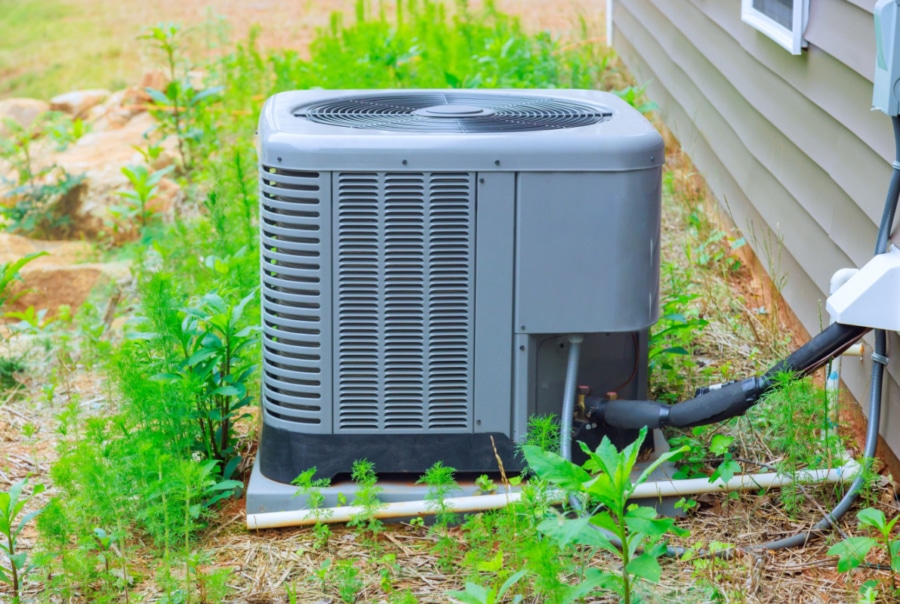
Your air conditioner’s outdoor unit, also known as the condenser, plays a vital role in the cooling process. To ensure optimal airflow and heat transfer, it’s essential to keep the area around the outdoor unit clear of debris, vegetation, and any obstructions. Regularly check for leaves, branches, and other debris that might hinder the unit’s performance. Additionally, consider creating some shade for the unit, as excessive exposure to direct sunlight can cause it to work harder.

4. Invest in UV Air Purification

Indoor air quality is a significant factor in determining your air conditioner’s lifespan. Airborne contaminants such as dust, allergens, and mold can accumulate on your HVAC system’s components, reducing its efficiency and leading to potential breakdowns. Investing in UV air purification can help eliminate these harmful particles, keeping your system cleaner and prolonging its life. The ultraviolet light in these systems kills bacteria and mold, ensuring your indoor air is healthier and your AC system operates at its best.

5. Maintain Proper Refrigerant Levels

Your air conditioner’s refrigerant is crucial for efficient cooling. A refrigerant leak or low levels can cause your system to work harder, leading to increased wear and tear and a reduced lifespan. Regularly check your refrigerant levels and promptly address any leaks or issues. Leave this task to the professionals, as handling refrigerant requires specialized knowledge and equipment.

6. Professional AC Maintenance: The Ultimate Support

While there are several ways to increase your air conditioner’s lifespan on your own, nothing beats the expertise of a professional HVAC service. Regular professional AC maintenance is essential for ensuring your system receives thorough care and attention. By entrusting your AC maintenance to a professional, you can rest assured that your system will operate at its peak performance and efficiency. A well-maintained air conditioner uses less energy to cool your home, leading to reduced utility bills and a greener environmental footprint.

During a professional AC maintenance visit, a skilled technician will conduct a comprehensive inspection of your entire HVAC system. They will look for any signs of wear, check refrigerant levels, and identify potential issues before they become major problems. Moreover, the technician will clean your system thoroughly, removing dirt, debris, and grime that may hinder its performance.

7. Prompt Repairs and Component Replacement

If the technician discovers any issues during the AC maintenance visit, they will promptly address them. Timely repairs and component replacements can prevent small problems from escalating into major breakdowns, saving you from costly repairs and premature AC replacement.

Contact Hummingbird Heating & Air for AC Maintenance in Syracuse, NY

Increasing your air conditioner’s lifespan is a rewarding endeavor that ensures your home remains comfortably cool for years to come. Regular AC maintenance, checking and replacing air filters, keeping the outdoor unit clear, investing in UV air purification, and maintaining proper refrigerant levels are all effective ways to achieve this goal. However, the ultimate support comes from professional AC maintenance, as it provides thorough care and attention to your HVAC system.

At Hummingbird Heating, Cooling, Plumbing & Electric, we are committed to helping our customers maximize the lifespan of their air conditioners with residential AC services in Syracuse, NY, and surrounding areas. Whether you need routine AC maintenance, air conditioning services, or even a split system replacement, our team of experienced technicians is ready to assist you.

Contact us today to schedule your AC maintenance and ensure a cool and comfortable home throughout the hot summer months.

AC Coils Frozen

Frozen AC Coils: Why They Happen and How to Fix Them

Frozen AC coils usually come from restricted airflow or low refrigerant. When a dirty filter, blocked vents, or a refrigerant leak pushes the evaporator coil below freezing, moisture in the indoor air turns to ice on its surface. Turning the AC off and letting the ice melt is the first fix, but a coil that freezes more than once needs a technician.

How to Tell Your AC Coils Are Frozen

The evaporator coil sits inside your air handler or on top of your furnace, so you often won’t see the ice until it has built up. Weak airflow from the vents and air that feels warm or only slightly cool are the usual first clues.

You might also spot frost on the larger copper line running to the outdoor unit. Because the coil is indoors, ice outside often traces back to something inside the house. Melting ice can also overflow the drain pan and look like an AC leaking water problem when the real cause is the ice.

What Causes Frozen AC Coils?

A coil freezes when it gets colder than the moisture in your indoor air can tolerate. Airflow and refrigerant keep the coil in a safe temperature range, so most freeze-ups trace back to one of them.

Restricted Airflow

A clogged air filter is the most common culprit, followed by closed or blocked return vents and a weak blower motor. Without enough warm air moving across the coil, its surface keeps getting colder until ice forms. Swapping the filter and opening every vent is a quick check you can do yourself.

Low Refrigerant

Refrigerant doesn’t get used up, so a low level means a leak somewhere in the lines or the coil. Less refrigerant drops the pressure inside the evaporator coil, which makes the coil cold enough to freeze. Adding refrigerant without fixing the leak only delays the next freeze.

A Dirty Evaporator Coil

Dust and grime on the coil work like a blanket that blocks heat transfer. The coil runs colder in the spots that still get airflow, and ice spreads from there. A cleaning during AC maintenance removes that buildup before it causes trouble.

Running the AC on Cool Nights

Central New York has plenty of May, September, and October nights when the temperature drops into the 50s or lower, yet the AC still switches on. Running a central AC in cool weather lowers the coil’s temperature and can freeze it even when the equipment is healthy. Opening a window or switching to heat on those nights protects the coil.

What to Check Before You Restart the AC

Once the ice has melted completely, a few quick checks can tell you whether the fix is simple.

  1. Look at the filter: Replace it if it’s gray with dust or hasn’t been changed in the last few months.
  2. Open every vent: Closed or blocked supply and return vents cut airflow even when the filter is clean.
  3. Check the drain pan: Mop up standing water and look for a clogged condensate line.
  4. Restart and watch: If ice returns within a day or two, shut the AC off again.

Those checks solve the problem when a clogged filter or blocked vent was the cause. They won’t help with the causes you can’t see or fix yourself.

When Frozen AC Coils Need a Technician

Refrigerant leaks, failed blower motors, and electrical faults all show up as ice, and none of them goes away with a filter swap. Repair cost depends on the cause: a dirty filter is nearly free to fix, while a leak or a blower motor takes parts and labor.

If the coil freezes again after you’ve replaced the filter and cleared the vents, AC repair is the next step. A technician can find the leak or failed part instead of guessing, and running the AC while it’s iced over risks damage to the compressor.

Preventing Frozen AC Coils

A filter changed every one to three months, clear vents, and a yearly tune-up before cooling season handle most of the risk. Ask the technician to check the refrigerant level and clean the coil during that visit, since both are common freeze-up causes.

Schedule AC Service Before Next Summer

At Hummingbird Heating and Cooling, we offer AC coil service, maintenance, and repair for homes in Syracuse and the surrounding areas. If your AC has frozen once, we can track down the cause before cooling season starts again. When you’re ready, schedule AC repair and we’ll get a technician out to you.

Frequently Asked Questions About Frozen AC Coils

How long should I leave my AC off if it’s frozen?

Leave the cooling off until the ice has melted completely, which usually takes a few hours and can take a full day after a heavy buildup. Running only the fan speeds up the thaw. Restarting too early can refreeze the coil and strain the compressor.

Will AC coils unfreeze on their own?

The ice melts once the AC stops running, but the cause stays in place. A coil that thaws and then freezes again is telling you airflow or refrigerant is off. Ignoring a repeat freeze can lead to compressor damage.

What is the fastest way to thaw a frozen AC coil?

Set the thermostat to Off and the fan to On so warm indoor air moves across the coil. Don’t chip or scrape the ice, because the coil’s thin fins bend and the tubing can crack. Keep towels or a wet-dry vacuum near the drain pan to catch the meltwater.

Why Does My Air Conditioner Smell Funny?

Why Does My Air Conditioner Smell Funny?

It’s a hot day outside, and you’ve been looking forward to relaxing in fresh, cool air from your air conditioning unit. However, you arrive home to discover that your house smells bad. 

You search your home for the source of the unpleasant smells before finally realizing your air conditioner smells funny. In addition, its fan motor is spreading that strange smell throughout the rooms in your home. When you have a smelly AC unit, there are several possible causes.

When your AC smells bad, it’s a problem you must resolve as soon as possible. Whatever is causing your air conditioning system to release foul odors can cause illness, result in issues with your HVAC system, and lead to costly repairs down the line.

At Hummingbird Heating, Cooling, Plumbing & Electric, our team of HVAC technicians offers expert AC repairs in Syracuse, NY. We’re the birds that have your back! Furthermore, we’re here to provide some insight into why your air conditioning smells funny to help keep you and your family safe and comfortable.

Bad Air Conditioner Smells and What They Mean

If your air conditioner smells funny, there are several possible causes for the unpleasant odor. No matter the reason, you’ll want to solve the problem immediately so you don’t have to breathe in that smelly air. Here are some common causes for a smelly AC unit in your home:

Exhaust Fumes or Rotten Eggs

If you smell exhaust fumes or gas, open as many windows as possible and exit your home. Call the fire department and your local gas company to report a possible gas leak. While most AC units aren’t powered by gas, ones that are may have an issue with fluids leaking into the airflow of the HVAC system.

A smelly AC unit with a rotten egg odor, also associated with gas leaks, may occur from a dead animal in the ductwork. However, your AC system may be circulating gas if other appliances or the gas hook-up to your home is experiencing a leak unrelated to your air conditioning system.

Burning Smell

When you smell a burning or gunpowder smell, it’s critical to determine the source of the smell. Turn off your AC unit immediately if you encounter a burning smell and believe it’s coming from your unit. Additionally, check your home for signs of a fire, and call 911 if you suspect one.

If you don’t see any signs of a fire, open the HVAC closet or head down to your indoor unit and smell the area. If you can smell gunpowder or a burning smell, the circuit board or fan motor has likely shorted out or is in the process of shorting out.

Mold or Mildew

Mold and mildew are common culprits when an air conditioner smells bad. If you smell moldy air from your AC vents, mold or fungus can grow around your AC unit and enter an air duct.

If mold or mildew is why your air conditioner smells funny, we recommend changing the air filter in your unit. However, there are likely additional issues that require the attention of certified HVAC technicians to diagnose.

Skunk Odor

A smelly AC unit with a skunk odor is one you can’t mistake for something else. If you smell this odor, it means that gas, specifically Methyl Mercaptan, is leaking into your ductwork.

Immediately turn off your gas supply at the first sign of this smell. Then, contact your utility company to determine its source and repair the problem.

Schedule Air Conditioning Services With Us Today!

At Hummingbird Heating, Cooling, Plumbing & Electric, our HVAC professionals can handle any repair you need for your air conditioning unit. If there’s a strange smell coming from your AC system, don’t hesitate to call us for help. When your air conditioner smells funny, we can diagnose the issue and make repairs.

Additionally, we provide a complete range of services, including split system installation in Syracuse, NY. So no matter what you need to provide optimal cooling in your home, our certified HVAC team can deliver quality work and customer satisfaction.

Also, don’t forget to join our Early Bird Maintenance Club to Protect Your Nest! Contact us today to schedule air conditioning services with our HVAC experts!

CARE and Maintenance

All About AC Maintenance — When, Where, and Why You Need to Service Your Air Conditioner

If you know the importance of getting routine oil changes for your car or changing out fluids when they go bad, then you should know the importance of getting AC maintenance. And yet, too many homeowners install a new AC and forget about it until problems arise. Often, these issues occur much sooner than expected and, in worst-case scenarios, can lead to an early replacement. Fortunately, these problems can be avoided with a bit of knowledge, so read on to learn when, where, and why servicing your system is so important. 

How Often Should I Get AC Maintenance?

Even if you know about the importance of maintenance, the big question always stands — how often should you actually get it? We’ve seen homeowners who believe in maintenance every spring or winter while others spend years between services. But we believe in scheduling your AC maintenance every year, and the same should apply to your heater. This allows your cooling system to run effectively throughout the warmest parts of the year while getting service right before the winter months end.

When Should I Get AC Maintenance?

You don’t want to get trapped performing AC maintenance in the middle of the summer. It makes sense in theory, but if any problems arise, repairs will occur when you need the system most — leaving you and your family stuck in an uncomfortable home environment. While a quality AC repair company will do its absolute best to get your unit back, why take an unnecessary risk? Instead, service your AC while it’s still cool outside and give yourself a bit of leeway in case of any trouble.

The Importance of Giving Your AC Unit a Tune-Up

Tune-ups are one of the most important parts of owning any HVAC system. A quality HVAC tune-up supports the most critical parts of your unit, helping them run efficiently and preventing problems with other components that have to compensate. This saves you a ton of money in the short and long run while creating efficient, cool air all summer long. Best of all, HVAC maintenance service usually takes an hour or two (depending on a few additional factors), so you’ll still have enough time to maximize most of your day.

What to Expect From an AC Tune-Up

AC contractors inspect any and every part of your air conditioner. During a tune-up, we’ll check for problems with drain lines and evaporator coils and make sure that your thermostat is functioning correctly. A quality maintenance team will also explain their findings and be transparent about current or future problems. Here are most of the services you can expect during your HVAC maintenance call:

  • Inspect every major and minor component of your AC unit.
  • Dissect any problems, or identify developing issues within the unit.
  • Drain and clear condensate lines.
  • Check thermostat performance and wiring.
  • Add lubricant to moving equipment.
  • Inspect ductwork.

Don’t Let Just Anyone Service Your Unit — Hummingbird Heating, Cooling, Plumbing & Electric Has Got Your Back

Your air conditioner has the vital role of battling the extreme heat to keep you cool every summer. So why not give a bit of that love back? Servicing your unit is like grooming your pet — it’s a fresh start that leads to efficient performance and cleanliness and helps your dog or AC continue thriving for years to come. So don’t neglect your unit this year. Schedule your maintenance services with Hummingbird Heating, Cooling, Plumbing & Electric, a residential HVAC company for Syracuse, NY, and residents in the surrounding areas. Contact us today, and we’ll set you up with one of our qualified technicians ASAP!

Book Online

[gravityform id="1" title="true"]