Available 24/7! Call now to schedule! (315) 399-9962

Author: Kevin

Are You Breathing Clean Air This Winter ?

Are You Breathing Clean Air This Winter?

If you want to improve the air quality in your home and protect your furnace from dust and debris, you need to choose the right furnace filter.
But how do you know which one is the best for your needs? One of the factors you should consider is the MERV rating of the filter.
There more to Furnace filters than the rating, but this rating is a vital component to your families health curing the winter months.

MERV stands for Minimum Efficiency Reporting Value.

MERV stands for Minimum Efficiency Reporting Value. It is a rating system that measures how well a filter can capture particles of different sizes, ranging from 0.3 to 10 microns. The higher the MERV rating, the more efficient the filter is at trapping smaller and finer particles. However, a higher MERV rating also means a higher resistance to airflow, which can reduce the performance and efficiency of your furnace. Therefore, you need to balance the filtration level and the airflow of your system.

According to the Environmental Protection Agency (EPA) , most residential systems can adequately remove airborne contaminants with a filter rated MERV 7-12. Filters with MERV 13-16 are typically used in hospital and general surgery settings, while filters with MERV 17-20 are HEPA filters that can remove 99.97% of particles in the 0.3-micron range.

There are different types of furnace filters available in the market, each with its own advantages and disadvantages.

Here are some of the most common ones:

  • Pleated filters: These are made of folded paper or synthetic material that create more surface area to capture particles. They usually have a MERV rating of 5-13, depending on the number and size of the pleats. They are more effective and durable than flat-panel filters, but they also cost more and may restrict airflow more.
  • Electrostatic filters: These are made of self-charging fibers that attract and hold particles using static electricity. They usually have a MERV rating of 8-10, and they can be either disposable or washable. They are good at capturing dust, pollen, and pet dander, but they may not be effective against bacteria, viruses, and smoke. They also require regular cleaning and maintenance to prevent mold growth and fire hazards.
  • Activated carbon filters: These are made of carbon granules that absorb odors, gases, and volatile organic compounds (VOCs) from the air. They usually have a MERV rating of 6-8, and they are often combined with other types of filters to provide both particle and odor removal. They are ideal for homes with pets, smokers, or chemical sensitivities, but they also need to be replaced frequently as they lose their effectiveness over time.

To choose the best furnace filter for your home, you should consider the following factors:

  • The size and compatibility of your furnace: You should measure the dimensions of your existing filter and check the manufacturer’s recommendations for the maximum MERV rating that your system can handle. A filter that is too big, too small, or too restrictive can damage your furnace and reduce its efficiency.
  • The level of air quality and filtration you need: You should assess the sources and types of contaminants in your indoor air, such as dust, pollen, pet dander, mold spores, bacteria, viruses, smoke, odors, etc. You should also consider the health and comfort of your family members, especially if they have allergies, asthma, or other respiratory conditions. Based on these factors, you can choose the appropriate MERV rating and type of filter that can meet your needs.
  • The cost and frequency of replacement: You should compare the initial and ongoing costs of different types of filters, as well as the recommended lifespan and replacement schedule. Generally, the higher the MERV rating and the more advanced the filter material, the more expensive and shorter-lived the filter is. You should also factor in the energy savings and health benefits that a higher-quality filter can provide.

To summarize, the best furnace filter for your home depends on your furnace size and compatibility, your air quality and filtration needs, and your budget and preferences. By understanding the MERV rating system and the different types of filters, you can make an informed decision that can improve your indoor air quality and protect your furnace.

Contact Us for Heating & Cooling System Services in Syracuse, NY

It’s much easier to have Hummingbird Heating, Cooling, Plumbing & Electric of Syracuse NY handle your furnace maintenance. We can install the furnace filter of your choice and check to ensure your system is maintained to deliver heat every hour needed for you and your family.
Regular maintenance of your filter is key. A dirty furnace filter can trigger ailments like allergies and asthma. Don’t hesitate to contact us. Our expert technicians at Hummingbird Heating, Cooling, Plumbing & Electric are here to help.

Stay warm and worry-free this winter – contact us today for comprehensive HVAC system maintenance and furnace repair services.
Let us ensure your home remains a haven of warmth and comfort, regardless of the winter weather outside.

We offer maintenance plans we’ve titled our Early Bird Maintenance plans.

Furnace Pilot Light Going Out

Why Is My Furnace Pilot Light Going Out in My Auburn, NY Home?

As the chill of winter settles in Auburn, NY, your furnace becomes the heart of your home, providing warmth and comfort. Yet, if you’ve experienced the frustration of your furnace pilot light going out, you’re not alone. This common issue can disrupt your heating and leave you in the cold. Let’s explore the reasons behind this problem and discuss the best ways to address it, ensuring your home stays cozy throughout the winter.

Understanding the Phenomenon

Before diving into solutions, it’s essential to understand why your furnace pilot light keeps going out. Several factors could be at play, from thermocouple issues to drafts and even dirty components. Recognizing these factors is the first step in effective troubleshooting.

Common Causes of Your Furnace Pilot Light Going Out

  • Thermocouple Problems: The thermocouple is a safety device that senses the pilot light’s presence. If it’s faulty, it can shut off the gas supply, causing the pilot light to extinguish.
  • Dirty Components: Dust and debris can accumulate around the pilot light and other furnace components, leading to irregularities in the flame and causing it to go out.
  • Drafts: Drafts near the furnace can blow out the pilot light. Ensuring the area around your furnace is sealed and well-insulated can prevent this issue.
  • Gas Supply Issues: If the gas supply to your furnace is insufficient or interrupted, the pilot light may struggle to stay lit.
  • Faulty Safety Valve: A malfunctioning safety valve can cause the pilot light to go out as a safety measure.

Addressing the Problem: Heating Repairs and Maintenance

When your furnace pilot light keeps going out, it’s more than just an inconvenience; it’s a signal that your heating system needs attention. Addressing the issue effectively requires a combination of proactive maintenance and timely repairs. In this section, we’ll delve into the actionable steps you can take to tackle the problem head-on. From the importance of regular furnace maintenance to the significance of professional heating repairs, these strategies are designed to not only keep your home warm but also ensure your heating system operates efficiently and safely throughout the winter months. Let’s explore the key methods for addressing the challenge of a persistently extinguishing pilot light.

  • Regular Furnace Maintenance: Scheduling regular furnace maintenance is crucial. Professional technicians can clean and inspect your furnace, ensuring all components, including the thermocouple, function correctly. Join our Early Bird Maintenance Club for routine checks and priority service.
  • Cleaning and Sealing: Keeping your furnace and its surroundings clean is vital. Regularly clean the pilot light and adjacent components. Additionally, seal any drafts around windows, doors, or the furnace room to prevent unwanted air movement.
  • Professional Heating Repairs: If your pilot light keeps going out despite your efforts, it’s time to call for furnace repair in Auburn, NY. Our experienced technicians can diagnose the issue accurately and repair or replace faulty components, ensuring your furnace operates safely and efficiently.

Contact Us for Heating & Cooling System Services in Auburn, NY

A continuously extinguishing pilot light can be a nuisance, but with the right knowledge and proactive measures, you can keep your furnace running smoothly. Regular maintenance, thorough cleaning, and timely heating repairs are key. If you’re facing persistent issues, don’t hesitate to contact us. Our expert technicians at Hummingbird Heating, Cooling, Plumbing & Electric are here to help.

Stay warm and worry-free this winter – contact us today for comprehensive HVAC system maintenance and furnace repair services. Let us ensure your home remains a haven of warmth and comfort, regardless of the winter weather outside.

7 Ways to Increase Your air conditioner’s lifespan

7 Ways to Increase Your Air Conditioner’s Lifespan

As summer rolls around, we all rely on our trusty air conditioners to keep us cool and comfortable during the scorching days. Your air conditioner works hard to keep your home a refreshing oasis from the heat, and it’s only fair that we give it some love in return. By exploring effective ways to increase your air conditioner’s lifespan, you can ensure it continues to provide reliable cooling for years to come. At Hummingbird Heating, Cooling, Plumbing & Electric, we are passionate about helping our customers maintain their HVAC systems for peak performance and longevity with air conditioning services in Syracuse, NY, and surrounding areas. Join us as we uncover the secrets to extending the life of your air conditioner and keeping your home comfortably cool.

How to Increase Your Air Conditioner’s Lifespan

1. Regular AC Maintenance: A Key to Longevity

One of the most effective ways to increase your air conditioner’s lifespan is through regular AC maintenance. Just like any other mechanical system, your HVAC unit needs proper care and attention to perform optimally. Regular AC maintenance not only helps identify and address potential issues early on but also keeps your system clean and efficient.

2. Checking and Replacing Air Filters

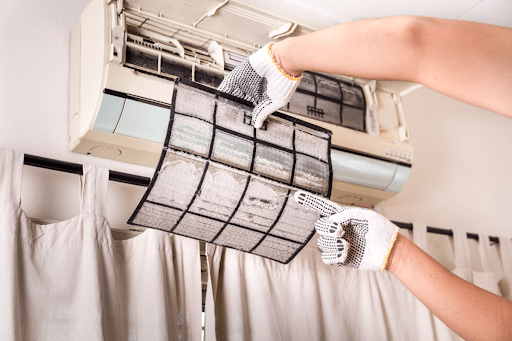
One of the simplest yet most impactful ways to increase your air conditioner’s lifespan is by regularly checking and replacing air filters. Clogged and dirty air filters restrict airflow, forcing your AC unit to work harder to cool your home. This added strain can lead to premature wear and tear on your system’s components, shortening its lifespan. Make it a habit to inspect your air filters monthly and replace them every three months or as recommended by the manufacturer.

3. Keep the Outdoor Unit Clear

Your air conditioner’s outdoor unit, also known as the condenser, plays a vital role in the cooling process. To ensure optimal airflow and heat transfer, it’s essential to keep the area around the outdoor unit clear of debris, vegetation, and any obstructions. Regularly check for leaves, branches, and other debris that might hinder the unit’s performance. Additionally, consider creating some shade for the unit, as excessive exposure to direct sunlight can cause it to work harder.

4. Invest in UV Air Purification

Indoor air quality is a significant factor in determining your air conditioner’s lifespan. Airborne contaminants such as dust, allergens, and mold can accumulate on your HVAC system’s components, reducing its efficiency and leading to potential breakdowns. Investing in UV air purification can help eliminate these harmful particles, keeping your system cleaner and prolonging its life. The ultraviolet light in these systems kills bacteria and mold, ensuring your indoor air is healthier and your AC system operates at its best.

5. Maintain Proper Refrigerant Levels

Your air conditioner’s refrigerant is crucial for efficient cooling. A refrigerant leak or low levels can cause your system to work harder, leading to increased wear and tear and a reduced lifespan. Regularly check your refrigerant levels and promptly address any leaks or issues. Leave this task to the professionals, as handling refrigerant requires specialized knowledge and equipment.

6. Professional AC Maintenance: The Ultimate Support

While there are several ways to increase your air conditioner’s lifespan on your own, nothing beats the expertise of a professional HVAC service. Regular professional AC maintenance is essential for ensuring your system receives thorough care and attention. By entrusting your AC maintenance to a professional, you can rest assured that your system will operate at its peak performance and efficiency. A well-maintained air conditioner uses less energy to cool your home, leading to reduced utility bills and a greener environmental footprint.

During a professional AC maintenance visit, a skilled technician will conduct a comprehensive inspection of your entire HVAC system. They will look for any signs of wear, check refrigerant levels, and identify potential issues before they become major problems. Moreover, the technician will clean your system thoroughly, removing dirt, debris, and grime that may hinder its performance.

7. Prompt Repairs and Component Replacement

If the technician discovers any issues during the AC maintenance visit, they will promptly address them. Timely repairs and component replacements can prevent small problems from escalating into major breakdowns, saving you from costly repairs and premature AC replacement.

Contact Hummingbird Heating & Air for AC Maintenance in Syracuse, NY

Increasing your air conditioner’s lifespan is a rewarding endeavor that ensures your home remains comfortably cool for years to come. Regular AC maintenance, checking and replacing air filters, keeping the outdoor unit clear, investing in UV air purification, and maintaining proper refrigerant levels are all effective ways to achieve this goal. However, the ultimate support comes from professional AC maintenance, as it provides thorough care and attention to your HVAC system.

At Hummingbird Heating, Cooling, Plumbing & Electric, we are committed to helping our customers maximize the lifespan of their air conditioners with residential AC services in Syracuse, NY, and surrounding areas. Whether you need routine AC maintenance, air conditioning services, or even a split system replacement, our team of experienced technicians is ready to assist you.

Contact us today to schedule your AC maintenance and ensure a cool and comfortable home throughout the hot summer months.

AC Coils Frozen

Frozen AC Coils: Why They Happen and How to Fix Them

Frozen AC coils usually come from restricted airflow or low refrigerant. When a dirty filter, blocked vents, or a refrigerant leak pushes the evaporator coil below freezing, moisture in the indoor air turns to ice on its surface. Turning the AC off and letting the ice melt is the first fix, but a coil that freezes more than once needs a technician.

How to Tell Your AC Coils Are Frozen

The evaporator coil sits inside your air handler or on top of your furnace, so you often won’t see the ice until it has built up. Weak airflow from the vents and air that feels warm or only slightly cool are the usual first clues.

You might also spot frost on the larger copper line running to the outdoor unit. Because the coil is indoors, ice outside often traces back to something inside the house. Melting ice can also overflow the drain pan and look like an AC leaking water problem when the real cause is the ice.

What Causes Frozen AC Coils?

A coil freezes when it gets colder than the moisture in your indoor air can tolerate. Airflow and refrigerant keep the coil in a safe temperature range, so most freeze-ups trace back to one of them.

Restricted Airflow

A clogged air filter is the most common culprit, followed by closed or blocked return vents and a weak blower motor. Without enough warm air moving across the coil, its surface keeps getting colder until ice forms. Swapping the filter and opening every vent is a quick check you can do yourself.

Low Refrigerant

Refrigerant doesn’t get used up, so a low level means a leak somewhere in the lines or the coil. Less refrigerant drops the pressure inside the evaporator coil, which makes the coil cold enough to freeze. Adding refrigerant without fixing the leak only delays the next freeze.

A Dirty Evaporator Coil

Dust and grime on the coil work like a blanket that blocks heat transfer. The coil runs colder in the spots that still get airflow, and ice spreads from there. A cleaning during AC maintenance removes that buildup before it causes trouble.

Running the AC on Cool Nights

Central New York has plenty of May, September, and October nights when the temperature drops into the 50s or lower, yet the AC still switches on. Running a central AC in cool weather lowers the coil’s temperature and can freeze it even when the equipment is healthy. Opening a window or switching to heat on those nights protects the coil.

What to Check Before You Restart the AC

Once the ice has melted completely, a few quick checks can tell you whether the fix is simple.

  1. Look at the filter: Replace it if it’s gray with dust or hasn’t been changed in the last few months.
  2. Open every vent: Closed or blocked supply and return vents cut airflow even when the filter is clean.
  3. Check the drain pan: Mop up standing water and look for a clogged condensate line.
  4. Restart and watch: If ice returns within a day or two, shut the AC off again.

Those checks solve the problem when a clogged filter or blocked vent was the cause. They won’t help with the causes you can’t see or fix yourself.

When Frozen AC Coils Need a Technician

Refrigerant leaks, failed blower motors, and electrical faults all show up as ice, and none of them goes away with a filter swap. Repair cost depends on the cause: a dirty filter is nearly free to fix, while a leak or a blower motor takes parts and labor.

If the coil freezes again after you’ve replaced the filter and cleared the vents, AC repair is the next step. A technician can find the leak or failed part instead of guessing, and running the AC while it’s iced over risks damage to the compressor.

Preventing Frozen AC Coils

A filter changed every one to three months, clear vents, and a yearly tune-up before cooling season handle most of the risk. Ask the technician to check the refrigerant level and clean the coil during that visit, since both are common freeze-up causes.

Schedule AC Service Before Next Summer

At Hummingbird Heating and Cooling, we offer AC coil service, maintenance, and repair for homes in Syracuse and the surrounding areas. If your AC has frozen once, we can track down the cause before cooling season starts again. When you’re ready, schedule AC repair and we’ll get a technician out to you.

Frequently Asked Questions About Frozen AC Coils

How long should I leave my AC off if it’s frozen?

Leave the cooling off until the ice has melted completely, which usually takes a few hours and can take a full day after a heavy buildup. Running only the fan speeds up the thaw. Restarting too early can refreeze the coil and strain the compressor.

Will AC coils unfreeze on their own?

The ice melts once the AC stops running, but the cause stays in place. A coil that thaws and then freezes again is telling you airflow or refrigerant is off. Ignoring a repeat freeze can lead to compressor damage.

What is the fastest way to thaw a frozen AC coil?

Set the thermostat to Off and the fan to On so warm indoor air moves across the coil. Don’t chip or scrape the ice, because the coil’s thin fins bend and the tubing can crack. Keep towels or a wet-dry vacuum near the drain pan to catch the meltwater.

Why Does My Air Conditioner Smell Funny?

Why Does My Air Conditioner Smell Funny?

It’s a hot day outside, and you’ve been looking forward to relaxing in fresh, cool air from your air conditioning unit. However, you arrive home to discover that your house smells bad. 

You search your home for the source of the unpleasant smells before finally realizing your air conditioner smells funny. In addition, its fan motor is spreading that strange smell throughout the rooms in your home. When you have a smelly AC unit, there are several possible causes.

When your AC smells bad, it’s a problem you must resolve as soon as possible. Whatever is causing your air conditioning system to release foul odors can cause illness, result in issues with your HVAC system, and lead to costly repairs down the line.

At Hummingbird Heating, Cooling, Plumbing & Electric, our team of HVAC technicians offers expert AC repairs in Syracuse, NY. We’re the birds that have your back! Furthermore, we’re here to provide some insight into why your air conditioning smells funny to help keep you and your family safe and comfortable.

Bad Air Conditioner Smells and What They Mean

If your air conditioner smells funny, there are several possible causes for the unpleasant odor. No matter the reason, you’ll want to solve the problem immediately so you don’t have to breathe in that smelly air. Here are some common causes for a smelly AC unit in your home:

Exhaust Fumes or Rotten Eggs

If you smell exhaust fumes or gas, open as many windows as possible and exit your home. Call the fire department and your local gas company to report a possible gas leak. While most AC units aren’t powered by gas, ones that are may have an issue with fluids leaking into the airflow of the HVAC system.

A smelly AC unit with a rotten egg odor, also associated with gas leaks, may occur from a dead animal in the ductwork. However, your AC system may be circulating gas if other appliances or the gas hook-up to your home is experiencing a leak unrelated to your air conditioning system.

Burning Smell

When you smell a burning or gunpowder smell, it’s critical to determine the source of the smell. Turn off your AC unit immediately if you encounter a burning smell and believe it’s coming from your unit. Additionally, check your home for signs of a fire, and call 911 if you suspect one.

If you don’t see any signs of a fire, open the HVAC closet or head down to your indoor unit and smell the area. If you can smell gunpowder or a burning smell, the circuit board or fan motor has likely shorted out or is in the process of shorting out.

Mold or Mildew

Mold and mildew are common culprits when an air conditioner smells bad. If you smell moldy air from your AC vents, mold or fungus can grow around your AC unit and enter an air duct.

If mold or mildew is why your air conditioner smells funny, we recommend changing the air filter in your unit. However, there are likely additional issues that require the attention of certified HVAC technicians to diagnose.

Skunk Odor

A smelly AC unit with a skunk odor is one you can’t mistake for something else. If you smell this odor, it means that gas, specifically Methyl Mercaptan, is leaking into your ductwork.

Immediately turn off your gas supply at the first sign of this smell. Then, contact your utility company to determine its source and repair the problem.

Schedule Air Conditioning Services With Us Today!

At Hummingbird Heating, Cooling, Plumbing & Electric, our HVAC professionals can handle any repair you need for your air conditioning unit. If there’s a strange smell coming from your AC system, don’t hesitate to call us for help. When your air conditioner smells funny, we can diagnose the issue and make repairs.

Additionally, we provide a complete range of services, including split system installation in Syracuse, NY. So no matter what you need to provide optimal cooling in your home, our certified HVAC team can deliver quality work and customer satisfaction.

Also, don’t forget to join our Early Bird Maintenance Club to Protect Your Nest! Contact us today to schedule air conditioning services with our HVAC experts!

CARE and Maintenance

All About AC Maintenance — When, Where, and Why You Need to Service Your Air Conditioner

If you know the importance of getting routine oil changes for your car or changing out fluids when they go bad, then you should know the importance of getting AC maintenance. And yet, too many homeowners install a new AC and forget about it until problems arise. Often, these issues occur much sooner than expected and, in worst-case scenarios, can lead to an early replacement. Fortunately, these problems can be avoided with a bit of knowledge, so read on to learn when, where, and why servicing your system is so important. 

How Often Should I Get AC Maintenance?

Even if you know about the importance of maintenance, the big question always stands — how often should you actually get it? We’ve seen homeowners who believe in maintenance every spring or winter while others spend years between services. But we believe in scheduling your AC maintenance every year, and the same should apply to your heater. This allows your cooling system to run effectively throughout the warmest parts of the year while getting service right before the winter months end.

When Should I Get AC Maintenance?

You don’t want to get trapped performing AC maintenance in the middle of the summer. It makes sense in theory, but if any problems arise, repairs will occur when you need the system most — leaving you and your family stuck in an uncomfortable home environment. While a quality AC repair company will do its absolute best to get your unit back, why take an unnecessary risk? Instead, service your AC while it’s still cool outside and give yourself a bit of leeway in case of any trouble.

The Importance of Giving Your AC Unit a Tune-Up

Tune-ups are one of the most important parts of owning any HVAC system. A quality HVAC tune-up supports the most critical parts of your unit, helping them run efficiently and preventing problems with other components that have to compensate. This saves you a ton of money in the short and long run while creating efficient, cool air all summer long. Best of all, HVAC maintenance service usually takes an hour or two (depending on a few additional factors), so you’ll still have enough time to maximize most of your day.

What to Expect From an AC Tune-Up

AC contractors inspect any and every part of your air conditioner. During a tune-up, we’ll check for problems with drain lines and evaporator coils and make sure that your thermostat is functioning correctly. A quality maintenance team will also explain their findings and be transparent about current or future problems. Here are most of the services you can expect during your HVAC maintenance call:

  • Inspect every major and minor component of your AC unit.
  • Dissect any problems, or identify developing issues within the unit.
  • Drain and clear condensate lines.
  • Check thermostat performance and wiring.
  • Add lubricant to moving equipment.
  • Inspect ductwork.

Don’t Let Just Anyone Service Your Unit — Hummingbird Heating, Cooling, Plumbing & Electric Has Got Your Back

Your air conditioner has the vital role of battling the extreme heat to keep you cool every summer. So why not give a bit of that love back? Servicing your unit is like grooming your pet — it’s a fresh start that leads to efficient performance and cleanliness and helps your dog or AC continue thriving for years to come. So don’t neglect your unit this year. Schedule your maintenance services with Hummingbird Heating, Cooling, Plumbing & Electric, a residential HVAC company for Syracuse, NY, and residents in the surrounding areas. Contact us today, and we’ll set you up with one of our qualified technicians ASAP!

Book Online

[gravityform id="1" title="true"]