Available 24/7! Call now to schedule! (315) 399-9962

Author: Kevin

What Happens If You Don’t Replace an Old Electrical Panel Box?

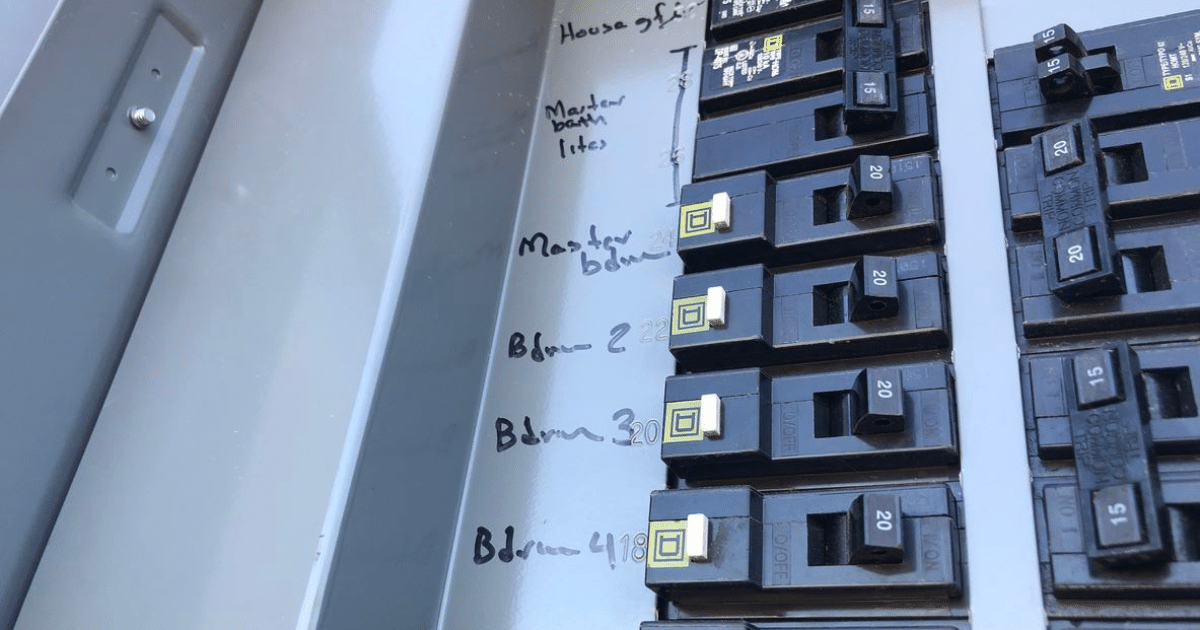
Your electrical panel – sometimes called a breaker box – is the hub of your home’s entire electrical system. It regulates how power is distributed and provides safety shutoffs when circuits become overloaded.

But like any part of your home, panels age, wear out, and eventually need to be replaced.

Ignoring an outdated electrical panel may not seem urgent, but it can create real risks for your home, family, and wallet. Let’s break down what happens if you don’t replace an old panel, the warning signs to watch for, and what you should know about costs, safety, and insurance.

Should I Replace My 40-Year-Old Electrical Panel?

Most electrical panels are designed to last 25-40 years. If yours is approaching or past that range, replacement should be a serious consideration. Older panels were not built to handle the demand of modern homes, where we run everything from smart appliances to multiple HVAC systems and chargers.

A 40-year-old panel may still function, but it often lacks the safety standards of today’s equipment. Breakers may trip inconsistently, wiring could be loose or corroded, and the panel itself may be undersized for your household needs. Even if nothing has “failed” yet, waiting too long often leads to expensive repairs – or worse, electrical hazards.

Are Old Electrical Panels Safe?

The short answer: not always. Many older panels were manufactured before current safety standards existed. Some even have known safety recalls (like Federal Pacific or Zinsco panels) but are still in homes today.

Risks of old or outdated panels include:

  • Breakers that fail to trip during overloads
  • Loose connections that generate heat inside the box
  • Corrosion or rust that compromises performance
  • Undersized panels that can’t keep up with electrical demand

An unsafe panel doesn’t just mean inconvenience. It increases the chance of shocks, appliance damage, or fire hazards.

Can a Bad Electrical Panel Cause a Fire Hazard?

Yes. Electrical panels are designed to protect your home by tripping breakers when circuits are overloaded. When panels or breakers fail, wiring can overheat, sparking potential electrical fires.

According to the U.S. Fire Administration, faulty electrical distribution systems are one of the leading causes of house fires. While regular maintenance helps, the safest option for an old, failing panel is replacement with an updated unit that meets modern code requirements.

How Much Does It Cost to Replace an Old Breaker Box?

Cost is one of the first questions homeowners ask, and one of the main reasons they delay replacement. The price of a new electrical panel depends on factors like panel size, wiring condition, and whether your service needs upgrading.

On average, homeowners can expect:

  • Standard replacement: $1,500-$3,000
  • Larger or upgraded service panels: $3,000-$5,000+

While this is an investment, it’s important to weigh it against the potential costs of not upgrading. A single electrical fire or repeated appliance damage can far exceed the price of replacement.

Explore our electrical services for more details on professional panel upgrades.

Does Homeowners Insurance Cover Electrical Panel Replacement?

Insurance typically covers damage caused by faulty electrical systems, but it rarely covers replacement of the panel itself due to age. If a fire occurs because of an old breaker box, your insurance may still deny the claim if the panel was known to be unsafe or recalled.

Proactively replacing an old panel not only protects your home but also ensures you remain compliant with insurance requirements. Some insurers even request electrical upgrades during inspections to continue coverage.

How Do I Know If My Breaker Box Needs to Be Replaced?

While only a licensed electrician can confirm for sure, there are several warning signs that suggest it’s time for an upgrade:

  • Frequent breaker trips or circuits that won’t reset
  • Flickering or dimming lights when appliances run
  • Buzzing or crackling sounds near the panel
  • Signs of rust, scorching, or melted wires
  • A panel that still uses fuses instead of breakers
  • Lack of available space for additional circuits

If you’ve noticed any of these, schedule a professional inspection right away.

How Long Does It Take an Electrician to Replace a Breaker Box?

Homeowners are often surprised by how efficiently professionals can replace a panel. In most cases, a straightforward replacement takes 4-8 hours. Larger homes or projects requiring rewiring may take longer, but the upgrade is usually completed in a single day.

This means you can schedule a replacement with minimal disruption and start enjoying the peace of mind that comes with a modern, safe electrical panel right away.

Why Replacing Your Panel Protects More Than Just Power

Delaying electrical panel replacement can create a ripple effect of issues: appliances wearing out faster, higher energy bills, insurance risks, and the ever-present concern of fire hazards. While the upfront cost may feel significant, replacement is an investment in your home’s safety and long-term value.

When you replace your panel, you also gain:

  • Increased capacity for modern electrical demands
  • Consistent breaker performance and safer wiring
  • Compliance with local codes and insurance standards
  • A more energy-efficient system that reduces strain on appliances

Call Hummingbird Heating, Cooling, Plumbing & Electric for Professional Panel Replacement

Don’t wait until an outdated electrical panel becomes a safety hazard. At Hummingbird Heating, Cooling, Plumbing & Electric, our licensed electricians provide inspections, repairs, and full electrical panel replacements to keep your Syracuse, NY home safe and reliable.

Call us today at 315-399-9962 or schedule service online to learn more about upgrading your breaker box.

Keeping Cool at Home Without a Working AC

When your air conditioner suddenly stops working and the summer heat isn’t letting up, it’s not just uncomfortable. It can make daily life feel unbearable, especially in older homes that tend to trap heat. At Hummingbird Heating, Cooling, Plumbing & Electric, we understand how frustrating this is, especially during those muggy Syracuse days when relief feels far away.

If you’re stuck waiting for a repair or replacement, there are still ways to stay comfortable in the meantime.

What’s a Reasonable Indoor Temperature?

Before we dive into tips, it helps to set realistic expectations.

Without a working AC, your home’s indoor temperature will naturally rise with outdoor heat. While fans and other tricks can help lower the perceived temperature, it may still feel warm. A 10–15 degree difference from outside temps is a realistic goal with passive cooling methods.

Ways to Stay Cool Without AC

These simple strategies can make a big difference while you wait on repairs – no complicated hacks or expensive tools required.

Block Out the Heat Early

One of the most effective ways to prevent heat buildup indoors is by keeping sunlight out during the day. Close your blinds and curtains early, especially on south- and west-facing windows that get the strongest afternoon sun. Even better if you have blackout curtains or thermal drapes – they do a surprisingly good job of keeping rooms cooler.

Once the sun sets and outdoor temps drop, open up your windows to let in fresh air. Just don’t forget to close them again in the morning before the heat returns! This can help your home feel a few degrees cooler throughout the day.

Use Fans Strategically

Fans don’t lower the actual temperature, but they do help you feel cooler by moving air across your skin. For the best results, use box fans or oscillating fans near open windows at night to pull in cooler air from outside. In the morning, switch them to push hot air out.

If you have ceiling fans, make sure they’re spinning counterclockwise – this pushes cool air downward and creates a wind chill effect.

You can also try a quick DIY trick: place a bowl of ice or a frozen water bottle in front of a fan to mimic an evaporative cooler. It won’t match a working AC, but every degree helps.

Unplug Heat Sources

Small appliances and electronics give off heat, and when your AC isn’t working, that extra warmth adds up. Avoid using the oven or stovetop, and opt for no-cook meals when you can. Microwaves, toasters, even desktop computers can make a room warmer than you’d expect.

In the evenings, try grilling outside, making cold salads, or prepping meals that don’t require heat. And don’t forget to switch off unnecessary lights, especially if you’re using older incandescent bulbs.

Stay Low and Hydrated

One thing’s for sure: Heat rises. If you have multiple stories in your home, head downstairs. Basements tend to stay significantly cooler, especially during heatwaves, and can be a comfortable place to sleep or relax.

Just as important: drink plenty of water. When your body is dehydrated, it struggles to regulate temperature, which can make you feel even more uncomfortable. Keep cold water nearby and avoid caffeine or alcohol, which can speed up dehydration.

Syracuse Summers Can Be Humid – Here’s Why That Matters

Syracuse isn’t just warm in the summer; it’s humid. And that sticky feeling makes it harder for your body to cool itself down. When the air is saturated with moisture, sweat doesn’t evaporate as easily, so you stay hotter longer.

That’s why a portable dehumidifier can make a big impact. Reducing humidity inside your home will help you feel more comfortable, even if the temperature stays the same. It’s a worthwhile investment, especially if AC outages are a recurring issue or your home tends to feel muggy.

Know When to Call for Backup

Tried the basics and still uncomfortable? It might be time to bring in an HVAC technician.

Simple troubleshooting – like replacing filters, checking your thermostat settings, or flipping the breaker – can sometimes solve the issue. But if that’s not working, don’t wait too long to get help.

The longer you go without service, the more strain you may be putting on your system and the harder it can be to get a fast appointment during peak summer.

At Hummingbird Heating, Cooling, Plumbing & Electric, we’re here to help Syracuse homeowners get back to comfort as quickly as possible. You can count on honest answers, reliable repair options, and a team that shows up when it matters most.

If your AC isn’t working, don’t wait – give us a call or schedule online today. We’ll make sure your home stays cool, no matter how hot it gets outside.

Will AC Repairs Cost Me More in Warmer Months?

Your air conditioner has one job: to keep you cool when temperatures soar. Isn’t it Murphy’s Law that, just when the sun is blazing, your AC decides to act up? Suddenly, you’re sweating bullets over the thought of repair costs.

But is it true that AC repair costs spike during warmer months? The short answer is yes, repairs during summer often cost more. But don’t worry – we’re breaking down the reasons behind this seasonal cost jump and, more importantly, how you can avoid unexpected expenses.

Why Summer Repairs Often Cost More

Summer is the peak season for air conditioner usage, and that means everyone and their neighbor is rushing to book service. This surge in demand directly impacts repair costs and scheduling availability. Here’s why:

1. Higher Demand Means Tighter Schedules

When temperatures rise, so do the number of service calls. HVAC companies often operate at full capacity during the summer, which makes it harder to book technicians. Getting a technician sooner might require paying extra for priority or emergency services.

2. Emergency Repairs Are More Common

Extreme heat can push AC systems to their limits, leading to more frequent emergencies. Emergency or after-hours service calls generally cost more than standard repairs, simply due to their urgency and the technician’s extended scheduling.

3. Parts Can Be Priced Higher

The law of supply and demand extends to replacement parts as well. Compressor replacements, refrigerant lines, and fan motors may experience a price surge during peak season due to tighter supply chains. Backorders can also become a problem in the bustling summer months, delaying repairs and sometimes adding additional costs.

The Culprits Behind Summer AC Breakdowns

Wondering why your AC is more likely to quit on you mid-summer? Here are the most common reasons systems fail during the hottest months of the year:

  • Overworked Systems: Air conditioners work overtime during heatwaves, increasing the chance of mechanical failures.
  • Clogged Filters & Dirty Coils: Heavy use in summer exposes maintenance issues like blocked filters or grime-coated coils. Neglecting these can lead to restricted airflow or damaged components.
  • Low Refrigerant Levels: Refrigerant leaks are harder to ignore during hot weather, as your system struggles to maintain the cool air you need.
  • Frozen AC Lines: Believe it or not, a frozen evaporator coil is a common issue during summer. Overuse and dirty parts can cause the lines to freeze, making your AC inefficient or inoperable.
  • Wear and Tear: For older systems, the stress of constant heat can push them over the edge, resulting in costly breakdowns.

Proactive Steps to Dodge Unexpected Repairs

Good news! There are ways to avoid unexpected AC repairs and keep your system running smoothly all summer long. A little maintenance can go a long way:

  • Schedule a Tune-Up: Booking routine maintenance allows technicians to spot and fix potential problems before the summer rush.
  • Replace Filters Regularly: Dirty filters restrict airflow and put unnecessary strain on your system. Replace them every one to three months, depending on use.
  • Clear Debris from Outdoor Units: Trim plants and remove leaves or dirt around your outdoor condenser unit. This ensures proper airflow and prevents overheating.
  • Invest in a Smart Thermostat: A smart thermostat helps regulate usage, reducing strain on your AC system and cutting energy costs.

If you’re serious about avoiding surprise breakdowns, now’s the time to consider a professional maintenance plan. Because when the heat really hits, you’ll be glad you were proactive.

AC Repairs That Spike in Price During Summer

Some repairs are hit harder by the summer cost surge than others. Here’s a look at the common issues that might stretch your budget during peak heat:

  • Compressor Replacements: As a critical (and costly) component, compressors can be particularly expensive to repair or replace, especially if demand is high.
  • Refrigerant Leaks: Refrigerant prices fluctuate, and shortages often drive costs up in the summer.
  • Fan Motors and Capacitors: Overworked systems frequently experience motor or capacitor failures, which can result in costly repairs.
  • Emergency Electrical Repairs: The heat can overburden electrical systems, leading to blown fuses or frayed wires that require immediate attention.

Hummingbird Heating, Cooling, Plumbing & Electric Can Help You Beat the Heat

Yes, summer AC repairs can cost more, but most surprises can be prevented with a little foresight.

At Hummingbird Heating, Cooling, Plumbing & Electric, we’re here to keep you cool and comfortable with reliable service and transparent pricing. Based in Syracuse, our local experts understand the challenges of our climate and offer seasonal specials to help you save.

Need AC help? Call (315) 399-3962 today to schedule a tune-up or repair, and stay ahead of the summer heat!

Is R-410A Being Banned? Understanding the 2025 Refrigerant Phaseout

If you’re planning to upgrade your air conditioner or just want to stay informed, you may have heard that R-410A is being phased out. But is R-410A actually banned? And what does that mean for your current or future cooling system?

At Hummingbird Heating, Cooling, Plumbing & Electric, we’re here to break down the facts about the 2025 refrigerant phaseout – what’s changing, why it matters, and how homeowners can prepare.

What Is R-410A and Why Is It Changing?

R-410A is a refrigerant used in most modern air conditioners and heat pumps. It’s been the standard replacement for R-22 (Freon), which was fully banned in 2020 due to its ozone-depleting effects.

While R-410A is safe for the ozone layer, it has a high global warming potential (GWP), meaning it contributes to climate change when released into the atmosphere. In response, the EPA is now phasing down R-410A and other high-GWP refrigerants under the American Innovation and Manufacturing (AIM) Act, which took effect January 1, 2025.

Is R-410A Banned in 2025?

Not exactly. R-410A is not banned outright, but the U.S. has begun reducing its production and import as part of a multi-year phaseout. Here’s what that means:

  • You can still use and service an existing R-410A system
  • HVAC technicians can still buy and handle R-410A for maintenance and repair
  • New HVAC systems will gradually transition using low-GWP refrigerants, such as R-454B

So while R-410A isn’t illegal, it is being replaced, and availability will decrease over the next few years.

What Is R-454B and How Is It Different?

R-454B is one of the leading replacements for R-410A. It’s already being adopted in newly manufactured systems and offers several benefits:

  • Lower global warming potential – about 78% less than R-410A
  • Similar cooling performance and pressure characteristics
  • Increased system efficiency in many cases
  • More environmentally friendly, aligning with new EPA climate goals

While R-454B systems are still new to the market, they’re expected to become the new standard in residential HVAC by 2026 and beyond.

Do I Need to Replace My R-410A System Now?

If your AC or heat pump uses R-410A, there’s no need to panic or rush into a new system; you can continue use without any penalty. However, it’s smart to plan ahead if:

  • Your system is 10-15 years old or older
  • You’ve had repeated refrigerant-related repairs
  • You’re already considering an upgrade for efficiency or performance
  • You want to be proactive about future refrigerant availability and costs

Newer systems using low-GWP refrigerants may offer better energy savings, smarthome features, and improved environmental impact, making them a strong investment even before a breakdown occurs.

How the 2025 Refrigerant Phaseout Affects New Installations

If you’re installing a new HVAC system in 2025 or later, you may see both R-410A and R-454B systems available, depending on brand and model availability.

Here’s what to consider:

  • R-454B systems are more future-proof and compliant with upcoming EPA standards
  • R-410A systems may be slightly less expensive upfront but could be harder to service in 5-10 years
  • Incentives and tax credits may apply to higherefficiency, lowGWP systems

Our technicians can walk you through both options and help you choose the right system for your home and budget.

Trust Hummingbird to Guide Your Through the Changes

The refrigerant landscape is changing – but you don’t have to navigate it alone. At Hummingbird, we stay up to date on evolving EPA regulations so you don’t have to.

Whether you’re maintaining an existing R-410A system or exploring an upgrade to new refrigerant technology, we’re here to help you make a confident, cost-effective choice.

Call us today at (315) 399-9962 to schedule a system evaluation or talk through your options for a future-ready AC.

How Water Can Wreck Your AC: Hidden Damage Homeowners Often Miss

Your air conditioner is supposed to bring relief, not trouble. But if water is building up in the wrong places, your AC system could be quietly suffering. Many homeowners overlook how water interacts with air conditioning systems, but moisture issues can lead to major damage, poor performance, and even complete system failure.

At Hummingbird Heating, Cooling, Plumbing & Electric, we’re often called in when cooling systems start acting up – and water damage is one of the most common (and preventable) causes. Below, we’ll walk you through the hidden ways water can wreck your AC and what you can do to stop it.

Why Is There Water In and Around Your AC System?

First things first – yes, it’s totally normal for your air conditioner to create some water. As your system cools the air, it also removes humidity, which condenses into water on the evaporator coil and drains away through the condensate line.

But when something disrupts that process, water can start to collect where it shouldn’t, and that’s when trouble begins.

Common AC Water Problems and the Damage They Cause

Clogged Condensate Drain Line

One of the most overlooked issues. When the condensate line gets clogged with dirt, algae, or debris, water backs up and can flood your drain pan or overflow into nearby walls or ceilings. Over time, this leads to mold growth, drywall damage, and even electrical hazards inside your system.

Rust and Corrosion

Excessive moisture inside your AC unit – especially near electrical components – can cause rust to form on coils, motors, and wiring. Once corrosion sets in, the performance of your system drops quickly, and components like your blower motor or control board may fail prematurely.

Frozen Evaporator Coils

Water can also cause freezing issues. When airflow is restricted or refrigerant levels are off, moisture on the coil can freeze, stopping the system from working properly. When that ice melts, it can overflow your drain pan and damage surrounding components.

Cracked Drain Pans

Old or brittle drain pans can crack without warning, especially if they’ve been exposed to constant water or sun exposure in outdoor units. That small crack can leak enough water to cause hidden damage in your attic, basement, or mechanical room.

Signs Water May Be Wrecking Your AC

Wondering if water is already causing problems in your system? Look out for these red flags:

  • Pooled water near your indoor unit or on the floor
  • Musty smells coming from vents or near the system
  • Weak airflow or inconsistent cooling
  • Sudden spikes in your energy bill
  • Water stains on nearby walls or ceilings

If you’re seeing any of these signs, it’s time to have your AC system inspected.

How to Protect Your AC From Water Damage

The best way to prevent water from wrecking your AC is routine maintenance. A certified technician will:

  • Inspect and clear the condensate drain line
  • Check refrigerant levels and airflow to prevent coil freezing
  • Test and inspect your drain pan for cracks or wear
  • Clean components to remove buildup that causes clogs and corrosion

We also recommend installing a float switch that will shut down your system if a backup is detected – protecting your home from flooding or major leaks.

Get Peace of Mind With AC Service in Syracuse, NY

Don’t let a simple drainage issue ruin your AC system or damage your home. At Hummingbird Heating, Cooling, Plumbing & Electric, our technicians are here to help homeowners across Syracuse and the surrounding areas stay cool, dry, and worry-free.

Call us at (315) 399-9962 to schedule your AC inspection or maintenance appointment today.

How Can I Improve My Syracuse Home’s Air Quality?

Poor indoor air quality can lead to allergy symptoms, respiratory issues, and lingering odors, making it essential to address air pollutants in your home. Syracuse’s changing seasons bring unique challenges, from winter’s dry air to summer’s humidity, which can impact your home’s air quality year-round.

At Hummingbird Heating, Cooling, Plumbing & Electric, we help homeowners breathe easier with customized indoor air solutions. Follow these six simple steps to create a healthier home environment in Central New York.

6 Simple Steps to Cleaner Indoor Air in Syracuse, New York

1. Improve Ventilation for Fresher Indoor Air

Proper ventilation reduces indoor air pollutants by bringing in fresh outdoor air.

  • Open windows during mild seasons to create a natural airflow and remove stale air.
  • Use exhaust fans in bathrooms and kitchens to remove moisture and cooking fumes.
  • Consider an energy recovery ventilator (ERV) to improve air exchange without wasting energy in extreme temperatures.

→ Recommended ERV: Panasonic WhisperComfort Spot ERV

2. Upgrade Your Air Filters for Better Allergen Removal

Your HVAC filter is your first line of defense against airborne contaminants.

  • Use high-efficiency HEPA filters to trap pollen, dust, and pet dander.
  • Replace filters every 1-3 months to maintain performance.
  • Install a whole-home filtration system for enhanced indoor air purification.

→ Recommended Air Filter: Filtrete MPR 1500 Healthy Living Ultra Allergen Filter

3. Manage Humidity to Prevent Mold & Airborne Irritants

Syracuse’s humidity levels fluctuate, leading to mold growth in summer and dry air in winter.

  • Use a dehumidifier in humid months to keep levels between 30-50%.
  • Run a humidifier in winter to prevent dry skin, static electricity, and sinus irritation.
  • Ensure bathroom & kitchen ventilation to remove excess moisture.

→ Recommended Dehumidifier: hOmeLabs Energy Star Dehumidifier

→ Recommended Humidifier: LEVOIT Hybrid Ultrasonic Humidifier

4. Add an Air Purifier for Extra Filtration

Even with good HVAC filters, standalone air purifiers can provide extra protection in rooms where allergens are most concentrated.

  • Choose a HEPA air purifier to capture 99.97% of airborne particles.
  • Use activated carbon filters to absorb VOCs, smoke, and household odors.
  • Place purifiers in bedrooms & living areas for maximum allergen removal.

→ Recommended Air Purifier: Coway Airmega 300 Smart Air Purifier

5. Reduce Chemical Pollutants & VOC Exposure

Household products release volatile organic compounds (VOCs) that can linger in your indoor air.

  • Switch to non-toxic cleaning products to reduce chemical exposure.
  • Let new furniture “off-gas” outdoors before bringing it inside.
  • Use air-purifying houseplants to help absorb toxins and add humidity.

→ Recommended Natural Air Purifier: Bamboo Charcoal Air Purifying Bags

6. Maintain Your HVAC System for Cleaner Air

Your HVAC system plays a major role in air quality and requires regular maintenance.

  • Schedule seasonal tune-ups to ensure filters, coils, and ducts stay clean.
  • Seal ductwork leaks to prevent dust and allergens from entering circulation.
  • Consider professional duct cleaning every few years to remove built-up debris.

Breathe Easier With Hummingbird Heating, Cooling, Plumbing & Electric

By following these steps, you can significantly improve your indoor air quality, reduce allergy triggers, and create a healthier home environment in Syracuse.

At Hummingbird Heating, Cooling, Plumbing & Electric, we provide customized HVAC solutions to help eliminate airborne contaminants and enhance home comfort.

Call (315) 399-9962 today for expert advice on air purifiers, filtration systems, and HVAC maintenance in Syracuse, NY.

Are Mini-Split Systems Worth The Investment?

Syracuse experiences freezing winters and hot, humid summers, making efficient climate control a priority for homeowners. If you’re looking for a cost-effective, tear-round heating and cooling solution, a ductless mini-split system may be the answer. But are they really worth the investment? Many homeowners say yes – but there’s more to consider before making the switch.

At Hummingbird Heating, Cooling, Plumbing & Electric, we help Syracuse homeowners determine whether mini-splits are the right fit. Here’s what you need to know before making a decision.

How a Ductless Mini-Split System Works

A ductless mini-split system consists of an outdoor unit connected to one or more indoor air handlers, allowing for precise temperature control in different areas of your home without the need for ductwork.

Unlike traditional HVAC systems that cycle on and off, mini-splits use inverter compressor technology to maintain consistent temperatures. This reduces energy waste, improves comfort, and eliminates the need for separate heating and cooling systems.

While installation costs can be higher upfront, mini-splits often pay for themselves with:

  • Lower monthly energy bills
  • Minimal maintenance requirements
  • Long-term reliability – most systems last nearly 20 years

Why Mini-Splits Are Perfect for Syracuse Homes

Syracuse’s extreme seasonal shifts demand a system that’s both versatile and efficient. Mini-splits offer several advantages over traditional HVAC systems, making them a smart choice for many homeowners.

Superior Energy Efficiency & Cost Savings

One of the biggest perks of mini-splits is their energy efficiency. Traditional HVAC systems lose energy through ductwork, but mini-splits eliminate this issue, ensuring that more of the heated or cooled air reaches your living space. This translates to lower utility bills, even in Syracuse’s coldest months.

Customizable Comfort with Zoning Control

Mini-splits allow for independent temperature control in different rooms, meaning you only heat or cool the areas you’re using. Each air handler operates separately, so every family member can set their preferred temperature. This prevents wasted energy and improves overall comfort.

Easy Installation

Homes without existing ductwork can benefit significantly from mini-splits since installation requires minimal structural modifications. Even homes with ducts can use mini-splits to supplement hard-to-heat or cool areas, such as basements, home additions, or sunrooms.

Year-Round Heating & Cooling

Unlike window units or space heaters, mini-splits provide efficient heating and cooling in one system. They offer:

  • Enhanced temperature control with individual room settings
  • Quieter operation compared to traditional HVAC units
  • Advanced filtration that removes dust, allergens, and pollutants
  • Smart energy use with zoning and inverter technology

Are Mini-Splits Worth It? Our Verdict

If energy savings, personalized comfort, and long-term reliability are priorities for you, a mini-split system is absolutely worth the investment. These systems provide efficient heating and cooling, lower energy costs, and flexible installation options, making them a great fit for many Syracuse homes.

At Hummingbird Heating, Cooling, Plumbing & Electric, we offer mini-split installation and service, helping homeowners find the best HVAC solution for their space and budget.

Call Hummingbird at (315) 399-9962 today to schedule a consultation and see if a mini-split system is right for your home!

Can Heat Pumps Freeze Up?

One of the biggest advantages of a heat pump is its ability to heat and cool your home with one system. However, during winter, you might notice frost on the outdoor unit and wonder: Can heat pumps freeze up?

While a thin layer of frost is normal, significant ice buildup can indicate a problem that requires attention. Let’s dive into why heat pumps freeze up, how to prevent it, and what to do if it happens.

What Causes a Heat Pump to Freeze Up?

When your heat pump operates in heating mode, the refrigerant inside the system passes through the outdoor coils, turning from vapor to liquid. This process creates condensation on the coils. If the outdoor temperature is below freezing, the condensation can turn into frost or ice.

While light frost is typical, thick ice accumulation on the exterior of the unit means your heat pump is frozen.

Common causes include:

  • Low refrigerant levels
  • Debris, snow or nearby objects blocking airflow
  • A faulty defrost cycle

Is It Normal for a Heat Pump to Have Frost in Winter?

Yes, a light layer of frost on the heat pump during winter is normal, especially in freezing temperatures. The defrost cycle should activate periodically to melt the frost, allowing the system to function well.

If the frost becomes too thick, though, it can impact your heat pump’s performance. This is when you should investigate further or call a professional.

How Can I Prevent My Heat Pump From Freezing?

You can take a few steps to try to prevent the heat pump from freezing up:

  • Clear the area around the unit. Ensure nothing is blocking airflow, and regularly trim plants and branches near the outdoor unit.
  • Inspect gutters above the unit. Dropping water can freeze on the heat pump, so you’ll want to redirect or repair gutters to prevent this.
  • Keep the unit clean and clear of any debris, dirt or snow.
  • Check that the defrost cycle activates as needed during cold weather.

What Should I Do If My Heat Pump Freezes Up?

  1. Turn off the heat pump to avoid damaging the system.
  2. Set the thermostat to fan-only mode to promote airflow and encourage the ice to melt.
  3. Activate the defrost cycle. Most modern heat pumps have one that should automatically melt the ice.
  4. If these steps don’t help the issue, call a technician to inspect or repair your system.

Can a Frozen Heat Pump Damage the System?

Yes, running a frozen heat pump can lead to serious damage. Ice buildup can block airflow, forcing the system to work harder, increasing energy costs and wear, and damage internal parts such as the compressor. Not to mention that a frozen heat pump indicates low refrigerant levels – which, when run, can cause long-term damage.

It’s important that you address freezing issues quickly to avoid costly repairs.

Hummingbird Heating, Cooling, Plumbing & Electric – The Heat Pump Repair Experts You Can Trust

If your heat pump is freezing up frequently, don’t wait to get it checked. At Hummingbird, our experienced technicians will diagnose and resolve the issue quickly to return your home to its normal comfort level.

Call us today at (315) 399-9962 to schedule an inspection or repair appointment.

How Often Should Furnaces Be Serviced?

As winter approaches in Syracuse, NY, you may be asking yourself…

“How often should my furnace be serviced?”

Annual furnace service is typical; however, as the furnace ages, adding a second service call to your inspection schedule can be a good idea – especially when wintery conditions seem to linger here.

Recommended Frequency for Heater Servicing

Your energy usage patterns play a large role in determining your ideal heating system service schedule, and Syracuse homeowners know that cold temps can stick around for a number of months in north-central New York State.

If you have an older furnace, having tune-ups in early fall and mid-winter can give you confidence in your heater’s performance. A second service call gives technicians a chance to catch problems that happen after several weeks of usage.

Together, these services could prevent a costly breakdown in late winter that – given the level of cold – could jeopardize your health.

Signs You Need HVAC Servicing More Frequently

Furnace checkup tips-offs that you might need to increase HVAC servicing frequency include the following signs:

  • Uneven or poor heating performance
  • Rising energy bills with no obvious cause
  • Odd noises or odors while the furnace is on
  • Not matching the thermostat’s setting
  • Weak airflow from vents

Is your furnace more than 10 years old? Any of these signs need immediate service.

How Regular Servicing Impacts Efficiency and Lifespan

You may wonder whether harsh climates affect your furnace’s lifespan. Because locals run their furnaces continuously for months, it’s normal that these heating habits would put extra stress on the heaters.

That’s partly why regular HVAC system care and maintenance can lengthen the lifespan of the furnace – maintenance visits keep your unit running at peak efficiency, which reduces stress on the overall system. A well-running system should last longer and consume less energy in the long run.

Benefits of Annual or Semi-Annual Maintenance

What are the primary benefits of furnace maintenance once or twice a year?

  • Better energy efficiency
  • Repairing small problems early
  • Replacing parts before they break
  • Cleaning the entire unit
  • Ensuring safety features work

Issues That Routine Heater Servicing in Can Prevent

Having maintenance professionals inspect your heater once or twice a year can prevent issues that include:

  • Major breakdowns in the middle of Syracuse’s winter
  • Wasting energy through inefficient operation
  • Uncomfortable temperatures through poor performance
  • Leaks in ducts
  • Dangerous leaks in gas lines
  • Frayed or loose electrical wiring

Contact Hummingbird Heating, Cooling, Plumbing & Electric for Help

You want to be sure that your furnace is going to make it through the long winters in Syracuse, NY, so why not get in touch?

For peace of mind, call the Hummingbird team at (315) 399-9962 and decide the best way to handle your furnace maintenance and inspection schedule.

When Should I Call A Professional For Heating Maintenance?

If you’re debating whether to tackle heating maintenance yourself or call in a professional, the answer is simple: leave it to the experts.

Regular maintenance is essential for keeping your furnace or heat pump running smoothly all winter long. Professional technicians can spot potential issues before they turn into costly repairs, saving you time and money in the long run.

Here’s how to know it’s time for maintenance, why it’s a must, and what you can expect from a thorough inspection.

Signs Your Heating System Needs a Performance Check

Keep an eye (and ear) out for these red flags that something isn’t right:

  • Your system struggles to evenly heat your home, leaving rooms chilly while others are too warm.
  • The furnace either won’t turn on or runs continuously without shutting off.
  • You hear unusual noises like screeching, grinding or banging from the unit.
  • Your pilot light is burning yellow instead of blue.
  • You notice a burning smell, which could indicate a serious problem that needs immediate attention.

How Often Should You Schedule Heating Maintenance?

To keep your heating system running smoothly, it’s recommended to schedule maintenance at least once a year. If you want to be really sure that your unit is in top shape, scheduling maintenance twice a year is even better.

Don’t want the hassle of remembering? Sign up for our Early Bird Maintenance Plan, and we’ll take care of the scheduling for you, giving you a heads up when it’s time for an inspection! 

What Happens During an Inspection?

More than just a quick look, a proper inspection is a thorough checkup to ensure your system is working safely and efficiently. Here’s what you can expect:

  • Electrical component testing, such as wiring, relays, and capacitors
  • Lubricating moving parts to reduce friction and wear
  • Inspecting the heat exchanger and ignition system
  • Calibrating and testing the thermostat for accurate temperature control
  • Cleaning and adjusting burners to improve fuel efficiency
  • Replacing air filters to improve airflow and air quality

… and handling anything else your system needs to run in peak condition!

Why Is Maintenance Important?

Here’s just a sampling of the long-term benefits you’ll get from regular maintenance:

  • Lower Heating Bills: Don’t want high energy costs this winter? Maintenance helps your system run at its best, saving you money each month.
  • Improved System Efficiency: A well-maintained unit works smarter, not harder, keeping your home comfortable without wasting energy.
  • Longer Lifespan: With proper care, your heating system can last over 15 years, giving you more value and fewer headaches.
  • Fewer Costly Repairs: By catching small problems early, maintenance helps you avoid expensive, unexpected repairs down the road.
  • Expert Guidance: Not sure whether to repair or replace your unit? Our pros provide honest advice, helping you make the best decision for your home.

Can You Handle HVAC Maintenance Yourself?

There are a few HVAC maintenance tasks you can handle on your own. For example, replacing the air filter is easy and helps keep your system running efficiently. You may also be able to calibrate your thermostat by following the instructions in your owner’s manual.

However, certain tasks should be left to the professionals – especially anything involving fuel or electrical components. Without proper training, trying to fix these issues can be dangerous and expensive, so it’s always best to call in the experts for those jobs.

Enjoy Sky-High HVAC Performance, Call Hummingbird Heating, Cooling, Plumbing & Electric Today

Is your furnace or heat pump acting up yet again? Give Hummingbird Heating, Cooling, Plumbing & Electric a call and we’ll soar to the rescue! We proudly serve homeowners throughout Syracuse, NY and beyond.

Contact us at (315) 399-9962 to schedule heating maintenance now.

Schedule Service

Contact Form

"*" indicates required fields

This field is for validation purposes and should be left unchanged.

* By clicking “Send Message”, I am providing express written consent to receive autodialed and pre-recorded calls, texts, and SMS/MMS with marketing communications from Hummingbird Heating, Cooling, Plumbing & Electric regarding home services at the phone number provided above, even if the number is on a corporate, state, or national Do Not Call list. Consent is not a condition to purchase services or products.