Available 24/7! Call now to schedule! (315) 399-9962

Author: Kevin

The Importance of a Whole Home Humidifier in Syracuse, NY, Winters

Winter in Central New York isn’t just cold. It’s incredibly dry. And what most homeowners don’t realize is that the real discomfort often isn’t the temperature. It’s the lack of moisture in the air.

A properly sized whole-home humidifier can solve a problem many people do not even realize they have. During peak winter months, indoor humidity levels can drop below 20 percent. That’s far below the healthy range for both people and homes.

Let’s take a closer look at why this happens and why it matters so much.

The Hidden Problem: Syracuse Dry Winter Air

Cold air cannot hold much moisture to begin with. When that already dry outdoor air enters your home and gets heated by your furnace, the relative humidity drops even further.

In a place like Syracuse, it is common for indoor humidity to fall into the sub-20 percent range during deep winter. For reference, most experts, including the Environmental Protection Agency, recommend maintaining indoor humidity between 30 and 50 percent for comfort and air quality.

When humidity dips that low, the effects show up quickly.

Static shock: Shocking doorknobs and clingy laundry become everyday annoyances.

Dry skin and irritated sinuses: That tight, itchy feeling lingers no matter how much lotion you use.

Damage to wood furniture and floors: Hardwood can shrink, crack, or separate at the seams.

Increased vulnerability to viruses: Dry air can allow certain viruses to remain airborne longer and irritate your respiratory system.

Low humidity also makes your home feel cooler than it actually is. That often leads to bumping up the thermostat, which increases energy use and dries the air even more. 

Why Sub-20 Percent Humidity Is Hard on Your Home

Here’s the thing. Your home is full of natural materials that respond to moisture levels.

When humidity drops too low:

Wood contracts: Flooring, trim, and cabinetry can develop gaps.

Paint and caulking crack: Seasonal movement stresses materials.

Musical instruments shift: Pianos and guitars are especially sensitive.

These changes may seem minor at first, but over multiple winters, they can add up to noticeable wear and tear.

If you already invest in heating maintenance, addressing humidity is another smart step in protecting your home long term.

What Is a Whole Home Humidifier?

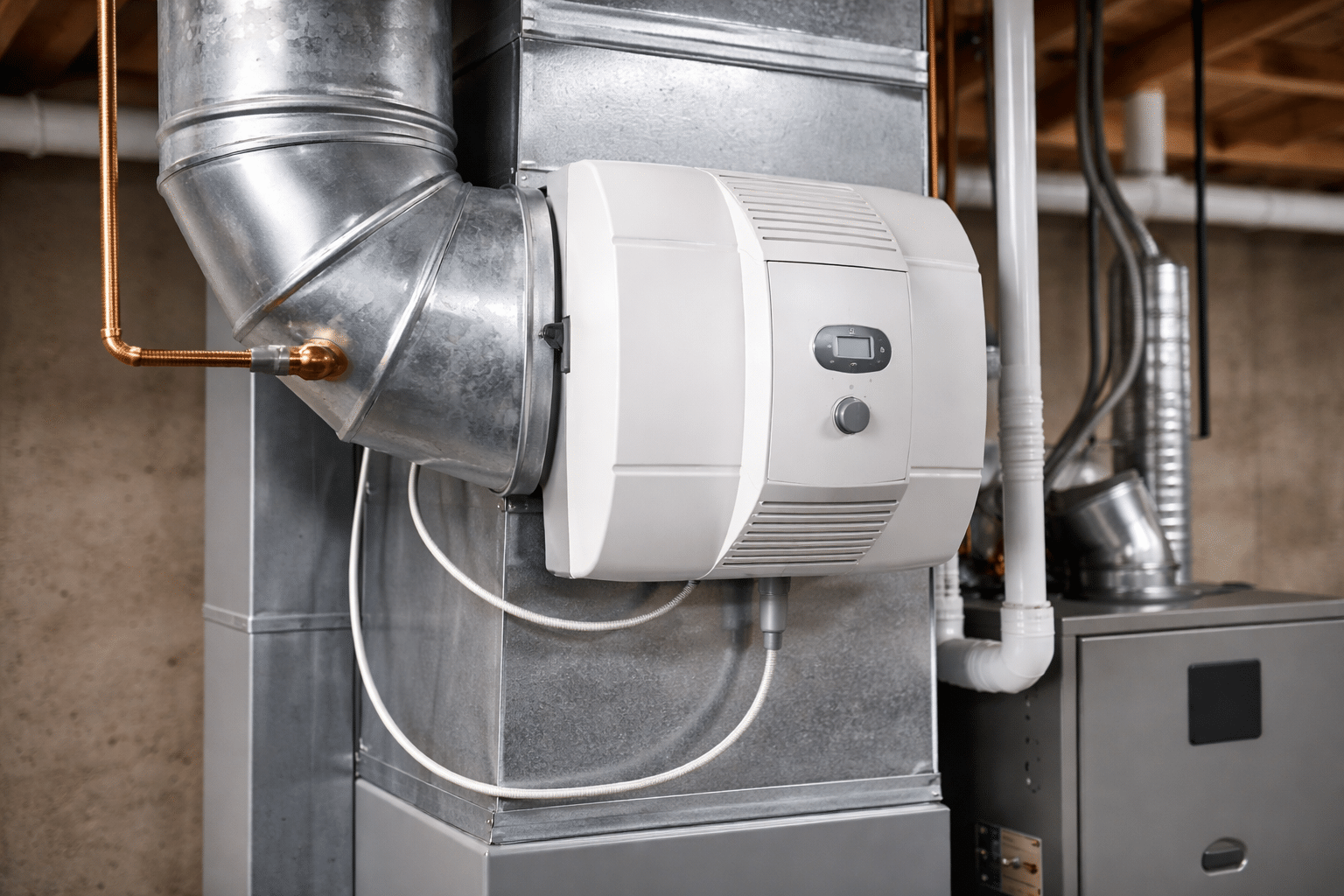
A whole-home humidifier integrates directly with your furnace and ductwork. Instead of treating one room at a time, it adds controlled moisture to the air before it circulates throughout your home. That means consistent humidity levels in every room.

Many homeowners choose to install a humidifier during furnace installation, since the system is already being updated. But one can be added to most existing heating systems as well.

The goal is simple. Keep your indoor humidity in that healthy 30 to 50 percent range, even when it is freezing outside.

The Benefits of a Whole-Home Humidifier

When people research the benefits of a whole-home humidifier, they often start with comfort. But the advantages go much deeper.

Better Winter Comfort

Moist air feels warmer than dry air. When the air isn’t so dry, you may feel comfortable at a lower thermostat setting. You’ll likely also notice a decrease in static electricity and improvements to dry skin, hair, and sinuses. 

Healthier Indoor Environment

Balanced humidity supports your respiratory system and may help limit the spread of certain viruses during cold and flu season.

When combined with indoor air quality services, a humidifier becomes part of a broader plan to make your home healthier during the winter months.

Protection for Wood and Furnishings

Keeping humidity at proper levels helps prevent seasonal shrinking and cracking. Installing a humidifier:

Preserves hardwood floors: Reduces gaps and splitting.

Protects wood furniture: Helps prevent warping and damage.

Stabilizes trim and molding: Maintains a cleaner appearance year after year.

Over time, that protection alone can justify the investment.

Potential Energy Efficiency

Because humid air feels warmer, you may be able to lower your thermostat slightly without sacrificing comfort. That can reduce furnace runtime and help manage winter energy costs.

Whole-Home Humidifier vs Portable Units

Portable humidifiers seem like an easy solution. And in a single bedroom, they can help temporarily. But they come with limitations.

Room-only coverage: They do not treat the entire house.

Constant refilling: Tanks need frequent attention.

Inconsistent humidity levels: Hard to balance from room to room.

A whole-home humidifier works automatically with your heating system.

Even distribution: Moisture reaches every vent.

Integrated controls: Many systems include built-in humidity sensors.

Lower day-to-day maintenance: Typically serviced during annual HVAC checkups.

For Syracuse homeowners dealing with months of dry winter air, an integrated system offers a more consistent and practical long-term solution.

When to Consider a Whole-Home Humidifier

The best time to install a whole-home humidifier is before winter sets in. But adding one mid-season can still provide immediate relief.

Homeowners already planning HVAC system upgrades in Syracuse, NY, often find it makes sense to include humidity control at the same time.

The key is recognizing that sub-20 percent indoor humidity is not just uncomfortable. It is a hidden winter problem that affects your health, your comfort, and your home.

What to Do Next

If your home feels unusually dry each winter, it may be worth having your humidity levels checked. A simple evaluation can confirm whether your indoor air is falling below recommended levels.

Hummingbird Heating, Cooling, Plumbing, and Electrical can help you determine whether a whole-house humidifier is a good fit for your Syracuse home. Give us a call at (315) 399-9962 or schedule an appointment online to talk through your options and get guidance tailored to your home.

Frequently Asked Questions

How low does indoor humidity get during Syracuse winters?

It is common for homes to drop below 20 percent humidity during extreme cold spells, especially when the furnace runs frequently.

Can low humidity really damage hardwood floors?

Yes. Wood naturally expands and contracts with moisture changes. Prolonged dryness can lead to gaps, cracking, and separation.

Is a portable humidifier enough for winter?

Portable units can help in small areas, but they do not provide consistent whole-house coverage. Most larger homes benefit more from an integrated system.

What is the ideal indoor humidity level in winter?

Generally, 30 to 50 percent is recommended. In very cold weather, staying closer to 30 to 40 percent helps prevent window condensation while maintaining comfort.

Boiler Maintenance Checklist for Older Syracuse Homes

If you own one of Syracuse’s older homes, there’s a good chance you’re heating it with a boiler. Hydronic systems with cast iron radiators are common throughout the area, and when they’re maintained properly, they can last for decades.

This guide is built specifically for homeowners who rely on boiler maintenance professionals to keep those systems running safely. We’ll walk through what you can reasonably check yourself and, just as importantly, which tasks should always be left to a certified technician.

In Central New York, winter isn’t forgiving. A little preventative attention in the fall can save you from a no-heat emergency in January.

Why Boilers in Older Syracuse Homes Need Routine Attention

Old home heating systems were built tough. Cast iron sections, heavy piping, and simple controls mean many of these boilers outlast modern equipment.

But age still matters, and over time, systems can develop:

  • Sediment buildup: Minerals collect inside the heat exchanger.

  • Air pockets: Radiators heat unevenly.

  • Corrosion: Older fittings and valves can weaken.

  • Pressure inconsistencies: Expansion tanks and gauges wear out.

Routine maintenance can help catch small issues before they become expensive problems.

DIY Boiler Maintenance Checklist for Homeowners

There are several DIY maintenance steps you can do on your own if you feel comfortable. But if you don’t, it’s ok to call the pros! 

Check the Pressure Gauge

Start with the pressure gauge on the front of your boiler.

Most residential hydronic systems should read around 12 to 15 PSI when cold.

  • Low pressure: Could indicate air in the system or a minor leak.

  • High pressure: May point to expansion tank issues.

  • Fluctuating pressure: Worth monitoring closely.

If the reading is consistently outside the normal range, that moves into professional territory and should be addressed during a boiler service Syracuse appointment.

Look for Leaks or Corrosion

Take a flashlight and visually inspect the boiler and any exposed piping.

You’re looking for:

  • Active dripping: Even slow drips matter.

  • Rust flakes or corrosion: Especially around joints.

  • White mineral buildup: Signs of slow water leaks.

You are not repairing anything here. Just observing. If you see something concerning, document it and have it evaluated.

Listen for Unusual Noises

Your boiler should operate relatively quietly.

Pay attention to:

  • Banging sounds: Often caused by air or pipe expansion.

  • Kettling noises: A rumbling or boiling sound that may signal sediment buildup.

  • Hissing: Could indicate air or minor leaks.

Occasional expansion sounds can be normal in older homes. Persistent loud noises are not.

Kettling in particular is a sign that the internal heat exchanger may need professional cleaning. That is not a DIY job.

Bleed Air from Radiators

Learning how to bleed a radiator is one of the most useful skills for homeowners with hydronic heat.

If certain radiators feel cool at the top but warm at the bottom, air may be trapped inside.

Here’s how to bleed a radiator safely:

  • Turn the heating system off: Allow pressure to stabilize.

  • Use a radiator key: Slowly open the bleed valve.

  • Release trapped air: You’ll hear a hissing sound.

  • Close the valve when water flows steadily: Do not overtighten.

Keep a towel handy to catch drips. After bleeding radiators, recheck your boiler pressure gauge. If pressure drops too low, you’ll need professional assistance to properly refill and balance the system.

Check Carbon Monoxide Detectors

Older boilers typically vent through chimneys. Combustion systems always require working carbon monoxide detectors.

  • Test batteries monthly: Replace as needed.

  • Install on every level: Especially near sleeping areas.

  • Replace older units: Most detectors last 5 to 7 years.

What Is Not a DIY Job

Certain aspects of boiler maintenance in Syracuse, NY homes should always be handled by a licensed technician.

These include:

  • System flushing: Removing internal sediment safely.

  • Expansion tank testing or replacement: Improper handling can damage the system.

  • Gas valve adjustments: Never attempt this yourself.

  • Pressure relief valve replacement: Critical safety component.

  • Combustion analysis: Requires specialized tools.

  • Circulator pump repairs: Electrical and mechanical work combined.

Hydronic systems operate under pressure and involve gas or oil combustion. Even experienced DIY homeowners should avoid internal boiler disassembly.

If your system needs more than observation and radiator bleeding, it’s time to bring in a professional.

For homeowners evaluating long-term performance, reviewing boiler repair and replacement options can also help you understand when maintenance makes sense versus upgrading.

Signs You Should Schedule Boiler Service in Syracuse

Even if you’ve completed the homeowner checklist, there are warning signs you shouldn’t ignore:

  • Frequent pressure changes

  • Water is pooling around the unit.

  • Persistent kettling noises

  • Uneven heat that bleeding doesn’t fix

  • Higher than normal heating bills

In older neighborhoods, especially, boiler systems are often original to the home or have been modified over decades. Having them professionally evaluated once a year helps maintain efficiency and safety.

You can also learn more about seasonal upkeep by reviewing heating maintenance services, which outline what technicians typically inspect during an annual visit.

A Quick Word About Efficiency in Older Systems

Many older boilers operate at lower efficiency ratings than modern high-efficiency units. That doesn’t mean they can’t perform well.

Proper maintenance can:

  • Improve heat transfer: Cleaner internal components.

  • Reduce fuel consumption: Better combustion tuning.

  • Extend equipment lifespan: Fewer breakdowns.

For many Syracuse homeowners, consistent maintenance is what keeps these older systems dependable through long winters.

When to Bring in a Certified Technician

If you’ve completed the basic visual checks, listened for unusual noises, and addressed minor air issues but still have concerns, it’s wise to have a professional evaluate the system.

Boilers are durable, but they are not simple appliances. Proper combustion testing, pressure calibration, and internal cleaning require training and specialized tools.

If you’re in the area and want a second opinion on your system’s condition, Hummingbird Heating, Cooling, Plumbing & Electrical can assess your boiler and explain what actually needs attention versus what can wait. You can reach us at 315-399-9962 or schedule an appointment online to get started. 

Frequently Asked Questions

How often should boiler maintenance be done in Syracuse, NY?

Once per year is recommended, ideally before the heating season begins. Older systems may benefit from closer monitoring.

Are bleeding radiators enough to maintain a boiler?

No. Bleeding radiators addresses air in the system, but it does not replace professional inspection, combustion testing, or internal cleaning.

What causes kettling in a boiler?

Kettling is usually caused by sediment buildup inside the heat exchanger. It restricts water flow and causes localized overheating. This requires professional cleaning.

Are old home heating systems safe?

They can be very safe when properly maintained. Regular inspections, working carbon monoxide detectors, and annual professional service are key.

How to Prevent Frozen Pipes in Your Syracuse Home

When temperatures plunge in Central New York, frozen pipes become one of the most expensive and stressful winter emergencies. In Syracuse, where extended deep freezes are the norm, preventing frozen pipes isn’t just about insulation and dripping faucets. It may surprise you to learn it actually starts with your furnace! 

Your heating system is the first line of defense against frozen pipes. Consistent indoor temperatures, reliable heat delivery, and furnace dependability are often all that stand between a cold snap and a burst pipe disaster. This winter homeowner’s survival guide explains how to prevent frozen pipes in your Syracuse home by putting your HVAC system at the center of your winter strategy.

Why Frozen Pipes Are Such a Big Risk in Syracuse Winters

Syracuse winter home preparation requires a different mindset than milder climates. Prolonged subzero temperatures, lake-effect cold snaps, and overnight temperature drops all increase the risk of frozen plumbing.

Pipes are most vulnerable when:

  • Outdoor temperatures fall below 20°F for extended periods
  • Heat isn’t reaching basements, crawl spaces, or exterior walls
  • A furnace cycles inconsistently or shuts down entirely

Once water freezes inside a pipe, pressure builds rapidly. When the ice expands, pipes can crack or burst, leading to flooding, structural damage, and costly repairs.

Your Furnace: The First Line of Defense Against Frozen Pipes 

Most frozen pipe advice focuses on plumbing, but HVAC plays a much bigger role than most homeowners realize.

Consistent Heat Prevents Freezing

Your furnace keeps indoor temperatures stable, which prevents pipes in your home from dropping below freezing. Even short periods without heat during a Syracuse deep freeze can allow pipes to ice over.

Set your thermostat to a consistent temperature, even overnight. Avoid aggressive setbacks during extreme cold. Saving a few dollars on heating isn’t worth the risk (and cost) of frozen pipes.

Heat Must Reach Vulnerable Areas

Warm air doesn’t automatically reach every part of your home. Pipes located in these areas are especially vulnerable:

  • Basements
  • Crawl spaces
  • Attics
  • Garages
  • Inside/under cabinets on exterior walls

Make sure supply vents near plumbing are open and unobstructed, and leave interior doors open to promote airflow. If your furnace struggles to distribute heat evenly, it may be time to consider getting a new system. An energy audit may also help you find and correct vulnerable areas for frozen pipes. 

A Reliable Furnace Is Non-Negotiable

A furnace breakdown in January isn’t just uncomfortable, it’s dangerous. Homes can lose heat rapidly, and pipes can freeze in a matter of hours.

Scheduling annual heating maintenance before winter helps ensure:

  • Safe furnace ignition
  • Reliable, consistent heat output
  • Reduced risk of emergency breakdowns

Other Pipe Protection Tips

While your furnace does much of the heavy lifting, these traditional prevention steps still matter:

  • Insulate exposed pipes in basements, crawl spaces, and attics
  • Seal air leaks around rim joists, foundation cracks, and sill plates
  • Disconnect outdoor hoses and shut off exterior spigots
  • Open cabinet doors under sinks to allow warm air circulation
  • Leave faucets on a drip or slow stream during extreme cold

These steps work best in combination with reliable heat, not as a replacement for it.

What to Do If Your Heat Goes Out During a Deep Freeze

Even well-maintained systems can fail. Knowing what to do for frozen pipes and how to prevent them when the heat goes out can save your home.

Immediate Steps to Protect Your Pipes in an Emergency

If your furnace stops working during extreme cold:

  1. Turn on all faucets slightly: Allow both hot and cold water to drip to reduce pressure buildup.
  2. Shut off your home’s main water valve: This limits damage if a pipe bursts while you’re waiting for repairs.
  3. Open cabinets and interior doors: Let remaining heat circulate around plumbing.
  4. Use safe supplemental heat: Space heaters can help protect vulnerable areas—but keep them away from flammable materials.
  5. Call for emergency heating repair immediately: The faster heat is restored, the lower the risk of frozen pipes.

If you already suspect frozen pipes (from signs like reduced water flow, frost on pipes, or strange odors) avoid turning up water pressure and contact a professional right away.

Cheat Sheet: How to Prevent Frozen Pipes in Syracuse

Here’s a quick summary of actions to take to prevent frozen pipes during Syracuse winters:

Step 1: Schedule professional furnace maintenance before winter. Ensure reliable, consistent heat output before temperatures drop.

Step 2: Set your thermostat to a steady temperature. Avoid nighttime setbacks during extreme cold.

Step 3: Ensure heat reaches basements and exterior walls. Keep vents open and doors ajar to improve airflow.

Step 4: Insulate exposed pipes and seal air leaks. Focus on basements, crawl spaces, and unheated areas.

Step 5: Prepare for emergencies. Know where your main water shutoff is and have a plan if the heat goes out.

Protect Your Home Before Winter Tests Your System

Preventing frozen pipes in your Syracuse home isn’t just a plumbing issue, it’s an HVAC priority. If your home struggles to stay warm, has uneven temperatures, or your furnace is 10–15 years old, your risk of frozen pipes rises significantly during deep freezes.

Your furnace is the real safeguard against winter disasters. Consistent heat, proper airflow, and a dependable system can mean the difference between a safe winter and thousands of dollars in water damage. Insulation and dripping faucets help, but they can’t compensate for unreliable heat.

The smartest move in Syracuse winter home preparation is addressing heating issues before the coldest days arrive, not after a breakdown puts your pipes at risk.

Give us a call at 315-399-9962 or contact us online to schedule your next heating service. 


How to Lower Your Electric Bill in New York: Practical Energy-Saving Tips

If you’re looking for proven ways to lower your electric bill in NY, you’re not alone. Homeowners across New York are seeing higher utility costs due to seasonal demand, aging homes, and rising energy rates. Fortunately, there are practical steps you can take to reduce usage without sacrificing comfort.

What Is the Average Electric Bill in New York?

The average monthly utility bill in New York is around $150/month, which is within a few dollars of the national average. However, these rates can skyrocket if you don’t have an HVAC system that functions properly. Square footage, insulation quality, and system efficiency also play major roles in monthly costs.

Electric bills tend to spike during:

  • Summer months with increased air conditioning use
  • Winter months when systems work harder to maintain indoor temperatures
  • Transitional seasons when inefficient systems cycle frequently

Understanding these trends allows you to plan smarter seasonal energy saving strategies.

Make Seasonal Adjustments to Reduce Costs

Seasonal adjustments are one of the easiest ways to control electric usage year round.

Summer Energy Saving Tips

Summer’s high temps and humidity can lead to costly energy bills, here are a few tips to keep your cost down when the temperature is high:

  • Set thermostats higher when the home is unoccupied
  • Use ceiling fans to circulate air and reduce cooling demand
  • Close blinds or curtains during peak sunlight hours
  • Run appliances during evening or off peak hours

Winter Energy Saving Tips

Cold weather can put strain on your system, especially when it has to run for a long time or when the air is extremely dry. To help mitigate this, you can:

  • Lower thermostat settings at night
  • Seal drafts around doors and windows
  • Use electric space heaters sparingly
  • Keep heating vents clear and unobstructed

Seasonal energy saving works best when paired with a well maintained heating and cooling system. Routine maintenance and tune-ups can make a big impact on your utility costs when the time comes. 

Look Into a Home Energy Audit

A professional home energy audit provides clear insight into where electricity is being wasted. For suburban New York homes, this is often the fastest path to meaningful savings.

A home energy audit typically evaluates:

  • Insulation levels and air leakage
  • Heating and cooling efficiency
  • Appliance and lighting energy use
  • Electrical load distribution

Older homes benefit the most, since hidden inefficiencies often go unnoticed for years.

Upgrade Controls and Thermostats

Programmable and smart thermostats help manage energy use automatically. These systems reduce unnecessary runtime by adjusting temperatures based on occupancy and schedules.

Other benefits of smart thermostats include:

  • Lower monthly electric bills: Smart thermostats reduce wasted heating and cooling by adjusting temperatures when the home is unoccupied.
  • Better seasonal energy efficiency: They adapt to weather changes so your system runs only when needed throughout the year.
  • More consistent indoor comfort: Temperature swings are reduced, helping maintain steady comfort during daily use.

Many New York utility programs also offer incentives for thermostat upgrades, making this a cost effective improvement.

Reduce Phantom Energy Usage

Phantom energy comes from electronics that draw power even when not actively in use. In suburban homes with multiple devices, this adds up quickly.

To reduce phantom energy:

  • Use smart power strips
  • Unplug infrequently used electronics
  • Enable built-in energy saving modes on devices
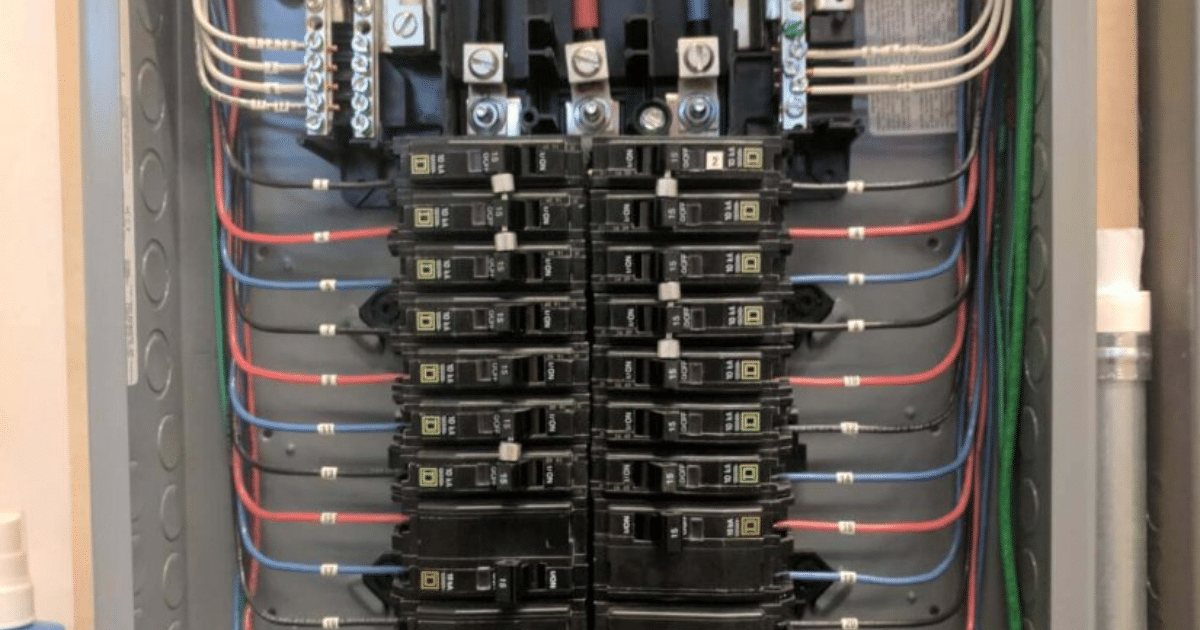
  • Upgrade outdated electrical panels to support power-saving smart devices 

This small habit can lead to noticeable annual savings. You may even notice battery-powered items lasting longer. 

Maintain Heating Systems for Efficiency

Routine heating system maintenance helps your home stay comfortable while keeping energy use under control. When a system is cleaned, adjusted, and operating as intended, it runs more efficiently and avoids unnecessary electric usage from extended or irregular cycling.

This is especially important in older suburban homes, where aging equipment and minor issues can quietly increase energy demand. Regular maintenance helps systems work the way they should, reducing strain, improving reliability, and keeping monthly energy costs more predictable.

Start Saving on Energy Costs in NY

If your electric bills continue to rise, having a clear plan makes all the difference. A professional home energy audit takes the guesswork out of energy savings by identifying where electricity is being wasted and which improvements will have the biggest impact.

By focusing on practical, prioritized upgrades, homeowners can make confident decisions that lead to long term savings. Contact us today for an energy assessment or call 315-399-9962 to discuss your energy needs. 

FAQs About How to Lower Electric Bills in NY

How can I lower my electric bill in NY without major renovations?

Focus on seasonal energy saving strategies, thermostat upgrades, reducing phantom energy, and improving system efficiency. These steps offer savings without major construction.

What is the average electric bill in New York?

The average electric bill in New York is around $150/month, but this can vary greatly depending on the size of the home, age of systems and appliances, and the time of year. 

Are home energy audits worth it for suburban homes?

Yes. Home energy audits are especially valuable for suburban properties where insulation gaps, air leaks, and inefficient systems are common.

Do these energy saving tips apply to NYC apartments?

Some tips apply, but energy use in NYC apartments is influenced by building wide systems and shared utilities. 

When should I start seasonal energy saving changes?

Prepare ahead of peak seasons. Make adjustments in spring for summer cooling and in early fall for winter heating to maximize savings.

Shower Clogs: Why Hair & Hard Water Clog Your Drains (Winter Fixes)

If you’re constantly trying to unclog a shower drain in Syracuse, you’re not imagining things – local water conditions play a big role. In the Syracuse area, water hardness is often classified as hard to very hard, typically around 7.5-9 grains per gallon (GPG). When that hard water combines with hair and soap, it creates stubborn clogs that don’t respond well to quick fixes.

Winter makes the problem worse. Colder temperatures thicken soap residue, pipes drain more slowly, and clogs that were manageable in summer suddenly become backups. Here’s what’s really happening inside your drain, what you can safely try yourself, and when it’s time to call Hummingbird Heating & Cooling.

Why Shower Drains Clog So Easily in Syracuse

1. Hair Is the Foundation of the Problem

Hair is the main culprit in nearly every shower clog. It catches inside the drain or P-trap and forms a net that traps everything else. Even homes with drain covers still experience buildup over time.

2. Hard Water Turns Hair Into a Cement-Like Mass

Syracuse’s hard water contains high levels of calcium and magnesium. These minerals react with soap and shampoo, creating soap scum. When soap scum coats hair in the drain, it hardens and sticks to pipe walls, causing a slow shower drain from hard water buildup that worsens month after month.

3, Winter Slows Everything Down

In winter, pipes are colder, which means:

  • Soap scum hardens faster
  • Grease and residue move more slowly
  • Partial clogs turn into full blockages

This is why shower clogs often show up – or get worse – during colder months.

Early Warning Signs You’re Heading for a Full Clog

Don’t wait until water backs up into the tub. Watch for:

  • Water pooling around your feet
  • Gurgling sounds while draining
  • A lingering musty smell from the drain
  • Drain clearing temporarily, then slowing again

These signs mean buildup is already present.

Safe DIY Steps to Unclog a Shower Drain

If the clog is mild, you can try these homeowner-safe methods.

Step 1: Remove Surface Hair

Take off the drain cover and pull out visible hair by hand or with a plastic drain tool. This is often the best way to remove a hair clog before it gets deeper.

Step 2: Use Baking Soda & Vinegar

Pour ½ cup of baking soda followed by 1 cup of vinegar into the drain. Let it sit for 30 minutes, then flush with hot water. This helps break down soap scum (not hair) but can improve flow.

Step 3: Try a Manual Drain Snake

A small hand auger can reach deeper hair clumps. Turn slowly and pull debris out carefully.

Avoid chemical drain cleaners. They rarely dissolve hair + mineral buildup and can damage pipes, especially in older Syracuse homes.

The Tipping Point: When DIY Stops Working

You should stop DIY attempts and call a professional if:

  • The drain clogs again within days or weeks
  • Multiple drains are slow at the same time
  • Water backs up into other fixtures
  • You smell sewage or see standing water

At this point, the clog is no longer just hair – it’s hardened mineral buildup along the pipe walls.

Professional drain cleaning services use tools like hydro-jetting to fully clear soap scum, hair, and mineral deposits without damaging your pipes.

Why Hydro-Jetting Is the Long-Term Fix

Hydro-jetting uses high-pressure water to scour the inside of pipes.

Unlike snaking, which punches a hole through the clog, hydro-jetting:

  • Removes hardened soap scum
  • Flushes mineral buildup caused by hard water
  • Restores full pipe diameter

This is often the most effective solution for recurring Syracuse shower clogs.

How a Water Softener Prevents Shower Clogs Altogether

If you’re dealing with repeated shower drain issues, the root cause may be your water. One of the biggest water softener benefits in Syracuse is preventing soap scum before it forms.

With softened water:

  • Soap rinses clean instead of sticking to pipes
  • Hair doesn’t bind with minerals
  • Drains stay clear longer
  • You use less soap and shampoo

Installing a water softener won’t just protect your drains – it also helps plumbing fixtures, water heaters, and appliances last longer. Learn more about water softener installation as a long-term solution.

Don’t Let a Slow Drain Turn Into a Winter Backup

If you’re tired of fighting the same clog or searching how to unclog a shower drain in Syracuse every few months, it’s time for a professional fix.

Call 315-399-9962 to schedule drain cleaning or talk with Hummingbird Heating & Cooling about water softener options. We’ll help clear the problem, and prevent it from coming back.

Frozen Pipes in Syracuse, NY: Your Local 2-Hour Prevention Checklist

When winter hits Central New York, frozen pipes are more than a possibility – they’re a regular risk. With average December lows hovering around 20°F and frequent sudden cold snaps that plunge well below that, Syracuse homes are especially vulnerable. Older construction, unfinished basements, crawlspaces, and aging insulation only increase the chances of pipe freezes and bursts.

This guide is built as a two-hour, step-by-step winter plumbing checklist for Syracuse homeowners. Whether a deep freeze is forecast for tonight or temperatures are already dropping, these actions can significantly reduce your risk of frozen or burst pipes.

Why Frozen Pipes Are So Common in Syracuse Homes

Many Syracuse-area homes were built decades ago, long before modern insulation standards.

Common local risk factors include:

  • Unfinished or partially insulated basements
  • Crawlspaces exposed to outside air
  • Plumbing run along exterior walls
  • Older copper or galvanized pipes
  • Drafty rim joists and foundation gaps

When temperatures drop quickly – as they often do in CNY – pipes don’t have time to adjust. That’s when freezing and bursting happens.

Your 2-Hour Winter Plumbing Checklist (Syracuse Edition)

First 30 Minutes: Secure the Most Vulnerable Areas

Start where frozen pipes are most likely.

  • Open basement, crawlspace, and utility room doors to allow warm air to circulate.
  • Check for pipes near exterior walls, foundation corners, or under sinks.
  • Seal obvious drafts around windows, sill plates, and pipe penetrations using towels or temporary insulation.

This step alone can significantly reduce freezing risk during overnight lows.

Next 30 Minutes: Insulate and Expose Pipes

Focus on protection.

  • Wrap exposed pipes with foam insulation, towels, or blankets.
  • Pay close attention to pipes under kitchen sinks, bathroom vanities, and laundry rooms.
  • If pipes are in cabinets, leave cabinet doors open to let warm air reach them.

This is one of the simplest forms of burst pipe prevention in Syracuse, especially for older homes.

Next 30 Minutes: Adjust Water Flow and Temperature

Water movement matters.

  • Set your thermostat to a consistent temperature, day and night. Avoid turning heat down overnight during cold snaps.
  • Allow faucets connected to exterior walls to drip slowly. Moving water is less likely to freeze.
  • Run water briefly in less-used bathrooms to keep pipes active.

These steps are especially important during sub-zero wind chills common in Syracuse winters.

Final 30 Minutes: Protect the Exterior and Shut-Off Access

Finish outside and plan ahead.

  • Disconnect garden hoses and shut off exterior hose bibs if possible.
  • Cover outdoor spigots with insulated covers.
  • Locate your main water shut-off valve and make sure it turns easily. Knowing this location can prevent major damage if a pipe bursts.

If you’ve never tested your shut-off valve, now is the time.

If a Pipe Is Already Frozen: What to Do Immediately

If prevention didn’t happen in time and you’re searching how to thaw frozen pipes in Syracuse, act carefully.

  • Keep the faucet open slightly to relieve pressure.
  • Apply gentle heat using a hair dryer, heating pad, or warm towels, starting closest to the faucet.
  • Never use open flames or space heaters.
  • If you see bulging, cracking, or leaking, shut off the water immediately and call for professional help.

If you can’t locate the frozen section or water isn’t flowing at all, it’s time to call for emergency plumbing service.

When Prevention Turns Into an Emergency

A frozen pipe that bursts can cause thousands of dollars in damage within minutes.

If you experience:

  • No water in multiple fixtures
  • Visible frost or ice on pipes
  • Active leaks or flooding
  • Water stains forming on walls or ceilings

You should contact a professional immediately. Hummingbird Heating & Cooling provides fast-response plumbing services for frozen and burst pipes in the Syracuse area.

Don’t Wait for the Next Deep Freeze

Syracuse winters are unpredictable, and frozen pipes rarely give much warning. Following this winter plumbing checklist for Syracuse can dramatically lower your risk, but help is always available if things escalate.

If you’re dealing with frozen pipes, or want professional help preventing them, call 315-399-9962 to schedule plumbing service with Hummingbird Heating & Cooling. We’re here to protect your home before, during, and after Central New York’s coldest days.

How NYSERDA & EmPower NY Help Syracuse Homeowners Upgrade Their Homes for Less

Home energy upgrades have become one of the biggest topics for Syracuse residents – and for good reason. Between rising electric rates, aging electrical panels, drafty homes, and heating systems that struggle in Central New York winters, many families are looking for real solutions that improve comfort and reduce monthly costs.

At the same time, the Hummingbird team has seen more homeowners asking about electrical panel upgrades for heat pumps, wiring improvements for safety, and ways to make their homes more energy-efficient without taking on a major financial burden.

That’s where New York State’s two biggest clean-energy programs – NYSERDA’s Clean Heat incentives and the EmPower NY program – come in. These programs are available right now and can drastically reduce the cost of home upgrades, especially if you’re considering a heat pump, electrical panel upgrade, insulation improvements, or general energy-efficiency work.

Below is your complete, homeowner-friendly guide.

Why Energy Programs Matter So Much in Central New York

Syracuse winters are long, cold, and punishing. Our homes work harder than most, and older electrical systems, outdated heating equipment, and poor insulation can quickly lead to higher bills and uneven comfort.

Energy incentives help solve three problems Syracuse homeowners face every winter:

  • High heating bills, especially with older furnaces or electric resistance heat
  • Electrical panels that can’t support modern equipment like heat pumps
  • Homes losing heat through air leaks and poor insulation

NYSERDA and EmPower NY exist to bridge the gap, making necessary energy upgrades affordable, not overwhelming.

Understanding NYSERDA’s Clean Heat Program

NYSERDA’s Clean Heat program offers some of the largest rebates in the state for homeowners who switch to high-efficiency heat pumps or need electrical upgrades to support them. These incentives can knock thousands off a project, and the Hummingbird team helps homeowners unlock every dollar they qualify for.

What the Clean Heat Program Covers

Clean Heat incentives help pay for:

  • Cold-climate heat pump installation
  • Heat pump water heaters
  • Electrical panel upgrades needed for heat pumps
  • Necessary wiring or circuit updates related to equipment installations

For Syracuse homes, cold-climate heat pumps are a strong option because they provide efficient heating in the winter and central AC in the summer, without relying on expensive fossil fuels.

Why Heat Pumps Are Growing Fast in Syracuse

Our team sees the same trend across Central New York:

  • Homeowners want lower utility bills
  • Many want safer, modern electrical panels instead of old fuse boxes
  • Families love having one system for heating and cooling
  • NYSERDA covers a huge part of the cost
  • Heat pumps work well in ducted and ductless homes across Syracuse

Clean Heat incentives can drastically reduce upfront investment, and Hummingbird handles the paperwork so homeowners don’t have to decipher state program rules.

What Is EmPower NY And Who Qualifies?

EmPower NY is designed for income-eligible New Yorkers who need no-cost or low-cost energy upgrades to keep their homes comfortable. It’s one of the most generous programs in the state, providing over $10,000 in improvements for families who qualify.

What EmPower NY Typically Covers

Homeowners may receive:

  • Insulation improvements (attic, walls, floors)
  • Air sealing to prevent heat loss
  • High-efficiency lighting
  • Draft reduction measures
  • Heat pump upgrades
  • Electrical improvements when needed for safety or new equipment

These improvements don’t just help with comfort; they help bring down monthly heating costs, which matter deeply in Syracuse’s climate.

Why EmPower Matters for CNY Homes

Central New York homes often struggle with:

  • Old, leaky insulation
  • Electrical panels that are outdated
  • High humidity and cold drafts
  • Heating systems working overtime to compensate

EmPower NY helps correct the root issues, not just the symptoms.

Electrical Panel Upgrades: Why They’re Suddenly So Important

Our team has been clear about this: more homeowners need panel upgrades than ever before.

Why?

Because modern homes, especially homes switching to heat pumps, need more electrical capacity than panels from the 1950s-1990s were designed to handle.

Upgrading your panel:

  • Ensures safe power distribution
  • Supports new heating and cooling equipment
  • Reduces the risk of tripped breakers or overheating
  • Future-proofs your home for EV chargers or additional circuits

The good news? Both Clean Heat and EmPower may help offset part of the cost, making an upgrade far more affordable than most homeowners expect.

How Hummingbird Helps You Use These Programs

These programs can feel complicated, but that’s where we step in. Hummingbird:

  • Walks you through required paperwork
  • Confirms which programs you qualify for
  • Provides the energy assessment and documentation NYSERDA requires
  • Installs the heat pump, panel upgrade, or insulation improvements
  • Ensures everything meets program and equipment standards

You get the upgrades you need without the stress of figuring out the state’s incentive system on your own.

Should You Explore NYSERDA or EmPower?

If you’re a Syracuse or CNY homeowner considering:

  • A heat pump,
  • Electrical panel upgrades,
  • Better comfort in winter,
  • Or lower energy bills,

… then yes, it’s absolutely worth exploring these programs.

The Hummingbird Heating & Cooling team is already using these incentives to help families lower their costs and make their homes safer and more efficient. Most homeowners are surprised by how much they qualify for.

Ready to See Which Program You Qualify For?

Whether you’re thinking about a heat pump, a panel upgrade, or overall energy improvements, Hummingbird Heating & Cooling can walk you through all available NYSERDA and EmPower incentives.

Call 315-399-9962 to schedule an assessment and see how much you can save.

4 Best Heating Systems for Syracuse Homes: A Pros & Cons Guide

Choosing the best heating system in Syracuse isn’t just about comfort – it’s about surviving winters that regularly dip below zero, managing National Grid energy bills, and making the right long-term investment for your home. With so many options available, knowing which systems actually perform well in Central New York’s climate can feel overwhelming.

This guide breaks down the four most common home heating systems in Syracuse (natural gas furnaces, propane/oil furnaces, boilers, and cold-climate heat pumps) and helps you compare them based on real-world factors: cost, efficiency, maintenance, home age, and extreme-cold performance.

Whether you live in a classic University-area home, an older Northside colonial, or a new build in Clay or Liverpool, this guide will help you make a confident decision.

1. Natural Gas Furnaces: The Most Common Choice in Syracuse

Natural gas is one of the most widely used heating fuels in Central New York, largely because many Syracuse neighborhoods already have gas lines in place. Gas furnaces are known for strong heat output and reliable operation even when temperatures fall below zero.

Pros

  • Excellent performance in sub-zero temperatures
  • Lower operating cost compared to propane and oil
  • Heats quickly and maintains consistent indoor temperature
  • Compatible with most ducted homes in Syracuse

Cons

  • Requires existing natural gas service (not available everywhere)
  • Older ductwork in Syracuse homes may reduce efficiency
  • Produces dry indoor air, requiring humidification for comfort

Best for: Homes with existing gas service, homeowners who want strong and steady heat, and older homes with solid ductwork.

If you’re considering a gas furnace installation, see Hummingbird’s page for details on system sizing and efficiency options.

2. Propane & Oil Furnaces: Strong Heat for Homes Without Gas Lines

Many rural and outer areas of Onondaga County rely on propane or fuel oil, especially where natural gas infrastructure isn’t available. These systems deliver powerful heat but come with higher fuel costs and larger storage needs.

Pros

  • High heat output, great for older, draftier homes
  • Works reliably in extreme cold
  • Flexible placement since they rely on on-site tanks

Cons

  • Higher monthly cost due to propane/oil pricing fluctuations
  • Requires tank refills, sometimes during peak winter
  • More maintenance due to soot and residue buildup
  • Older tanks may eventually need replacement

Best for: Homes outside city limits or properties where installing gas service isn’t possible.

3. Boilers (Natural Gas, Propane, or Oil): Ideal for Radiator-Style Heating

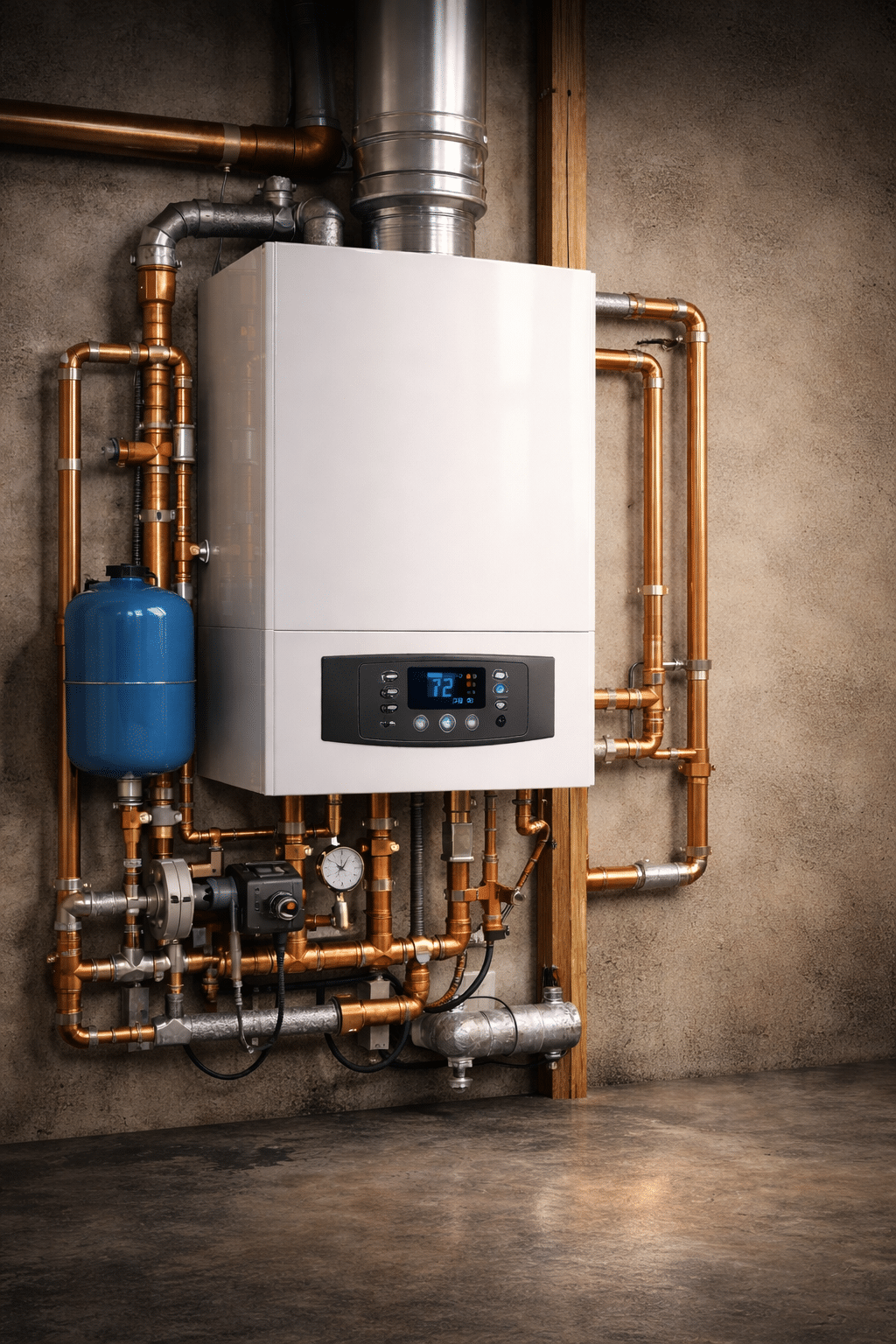
Syracuse has many older homes (Westcott, Strathmore, Eastwood) that were built with hydronic heating systems. Boilers heat water and circulate it through radiators or baseboards, creating even, comfortable warmth without ductwork.

Pros

  • Extremely comfortable, consistent heat
  • No ductwork means fewer drafts and less dust
  • Quiet operation
  • Long lifespan when maintained

Cons

  • Slower heat response compared to furnaces
  • More expensive to install
  • Harder to add central AC later without ductwork
  • Radiator systems can limit interior layout changes

Best for: Older homes already equipped with radiators, homeowners who prefer “radiant-style” comfort, and those wanting low-noise operation.

If your system needs work, see Hummingbird’s boiler service details here.

4. Cold-Climate Heat Pumps: The Newest (and Fastest-Growing) Heating Option

With New York State pushing hard for energy-efficient heating, cold-climate heat pumps have become increasingly common in Syracuse. These systems both heat and cool, run on electricity, and operate far more efficiently than traditional electric furnaces.

Modern cold-climate heat pumps are designed to work well down to -13 degrees – a necessity here.

Pros

  • Provides heating AND cooling in one system
  • Lower monthly bills due to high efficiency
  • Works well in ducts or ductless setups (great for additions or older homes)
  • Qualifies for NY Clean Heat and federal incentives

Cons

  • Performance drops during multi-day extreme cold snaps
  • May require a backup heat source for older or less insulated homes
  • Higher upfront cost than standard furnaces

Best for: Homes with good insulation, homeowners wanting lower energy bills, and families considering ductless systems for rooms without existing ducts.

Cost Comparison for Syracuse Homes

These are general trends based on typical Syracuse energy costs and home types:

  • Lowest upfront cost: Natural gas furnace
  • Lowest monthly bills: Cold-climate heat pump (if paired with good insulation)
  • Most consistent heat: Gas, oil, or propane furnaces
  • Quietest, most comfortable: Boilers
  • Best for homes without ducts: Boilers or ductless heat pumps
  • Best all-season system: Cold-climate heat pump

Which Heating System Is Right for Your Syracuse Home?

Your decision should factor in your home’s layout, insulation condition, ductwork, and long-term energy goals. In older Syracuse homes, especially those built before the 1950s, insulation and air sealing can heavily affect system performance. Meanwhile, newer developments might be better suited for heat pumps or high-efficiency gas furnaces.

Hummingbird Heating & Cooling can evaluate your home and walk you through each option based on comfort, budget, and long-term performance.

Call 315-399-9962 to schedule a heating consultation today.

Is Your Furnace Ready For Winter? A Pre-Season Checklist for Syracuse Homeowners

When lake-effect snow starts falling in Syracuse, the last thing you want is a furnace that won’t start or can’t keep up. Cold snaps can hit fast here, and your heating system will work overtime all season long. That’s why fall is the ideal time to make sure your furnace is ready for winter.

This furnace winter checklist breaks down the essential steps every homeowner should take before the temperatures drop, from simple maintenance tasks to professional services that ensure your system runs safely and efficiently.

1. Replace or Clean Your Air Filter

Start with one of the easiest and most important steps: replacing your furnace filter. A dirty filter restricts airflow, forcing your system to work harder to circulate warm air. This can lead to higher energy bills and early system wear.

Check your filter every month and replace it at least once every three months, or more often if you have pets or allergies. It’s a small task that makes a big difference in comfort and performance.

2. Clear and Inspect Vents and Registers

Blocked or dirty vents can make rooms feel unevenly heated. Walk through your home and make sure all air supply and return vents are clear of furniture, rugs, or curtains.

Take a moment to remove vent covers and vacuum any dust buildup. In older homes around Syracuse, it’s not uncommon for small debris or pet hair to restrict airflow. Consistent airflow helps your furnace distribute heat more evenly throughout the house.

3. Test Your Thermostat Before It Gets Cold

Don’t wait for the first freezing morning to realize your thermostat isn’t working properly. Switch your thermostat to heat mode and set it a few degrees higher than your current room temperature. You should hear your furnace kick on within a minute or two.

If the system doesn’t start or the temperature doesn’t rise as expected, check your thermostat batteries and settings. If it still doesn’t respond, schedule a furnace tune-up in Syracuse, NY to diagnose the issue before winter arrives.

4. Check the Area Around Your Furnace

Your furnace needs space to breathe. Remove any stored items, boxes, or cleaning supplies within three feet of your heating unit. Clutter can block airflow or create a fire hazard.

If your furnace is located in a basement or utility room, also check that the area stays dry. Moisture and leaks can lead to rust or electrical damage, especially during winter when humidity levels fluctuate.

5. Inspect Your Carbon Monoxide and Smoke Detectors

Safety should always be part of your furnace winter checklist. Gas furnaces produce small amounts of carbon monoxide (CO), which should safely vent outdoors. If the system malfunctions, though, CO can leak into your home unnoticed.

Test all carbon monoxide and smoke detectors before winter begins and replace batteries if needed. If your detectors are over ten years old, consider upgrading to newer, more sensitive models.

6. Schedule a Professional Furnace Tune-Up

While DIY maintenance is important, a professional inspection ensures your furnace is prepared for the long Syracuse winter ahead.

During a furnace tune-up in Syracuse, a licensed technician will:

  • Clean the burners, blower, and heat exchanger
  • Check ignition components and gas connections
  • Inspect belts, motors, and safety switches
  • Measure airflow and temperature rise
  • Verify proper combustion and venting

This preventive service helps detect small issues before they cause mid-season breakdowns or costly emergency repairs.

7. Seal Air Leaks and Check Insulation

Even the best furnace can struggle if warm air keeps escaping your home. Inspect door frames, window edges, and attic spaces for drafts. Applying new weatherstripping or adding insulation can help your system maintain a steady temperature without overworking.

In Syracuse, where winter nights can dip into the single digits, sealing leaks also reduces your heating bills significantly.

8. Listen and Smell for Warning Signs

When you turn on your furnace for the first time, pay attention to how it sounds and smells. A faint burning dust smell is normal as the system clears buildup, but strong electrical or gas odors are not.

If you notice a rotten egg smell or hear loud banging noises, turn off your system immediately and contact a professional. These can be signs of a gas leak, electrical issue, or mechanical failure that requires immediate attention.

9. Keep a Maintenance Plan for Ongoing Care

Winter in Syracuse is long, and your furnace runs for months on end. Joining a preventative maintenance plan helps you stay ahead of problems and keeps your system efficient all year. Regular checkups ensure your furnace is always ready, no matter how unpredictable the weather gets.

Learn more about our HVAC maintenance services to stay protected through every season.

Stay Warm All Season with Expert Furnace Care

Preparing your furnace for winter is one of the smartest things Syracuse homeowners can do. With a little maintenance now, you’ll avoid breakdowns during lake-effect storms, reduce repair costs, and keep your home warm when it matters most.

For a full inspection and professional furnace tune-up in Syracuse, NY, call Hummingbird Heating & Cooling at 315-399-9962 or schedule your appointment online today.

Why Does My Furnace Smell Weird?

As Syracuse homeowners turn on their furnaces for the first time each fall, it’s common to notice an unusual smell in the air. Sometimes it’s harmless; other times, it’s a warning sign that something needs attention. If you’ve been wondering, “Why does my furnace smell weird?”, this guide explains what those odors mean, how to tell if they’re normal, and what to do next.

At Hummingbird Heating & Cooling, we believe furnace safety starts with awareness. Understanding what your nose is telling you can prevent bigger problems and keep your home safe and comfortable all winter long.

1. Furnace Smells Like Burning Dust – Usually Normal

If you notice a faint burning odor when you first turn on the heat for the season, you’re likely smelling burning dust. During the off-season, dust naturally settles on your furnace’s heat exchanger, burners, and other internal parts. When the system heats up again, that dust burns away, creating a temporary smell.

What to do:

  • Let your furnace run for several hours to allow the smell to clear.
  • Replace your air filter to improve airflow and remove lingering dust.
  • If the smell lasts more than a day, schedule a heating system maintenance visit to check for buildup or restricted airflow.

This type of odor is common in early fall and typically not a cause for concern.

2. Furnace Smells Like Rotten Eggs – Act Immediately

A rotten egg or sulfur smell is never normal and requires immediate action. This odor indicates a natural gas leak, which can be extremely dangerous. Gas companies add a sulfur-like odor to otherwise odorless natural gas to help homeowners detect leaks early.

What to do:

  • Do not turn on or off any lights or appliances.
  • Leave your home immediately and move to a safe distance.
  • Call 911 or your local gas company to report the suspected leak.
  • Once your home is cleared, contact Hummingbird Heating & Cooling at 315-399-9962 for a full inspection and repair.

A gas leak poses serious safety risks and should always be handled by professionals.

3. Furnace Smells Like Burning Plastic or Electrical Wiring

If your heating system smells like burning plastic, rubber, or hot electrical components, the issue could be overheating wires or a failing motor. These odors often suggest an internal electrical problem that can lead to system failure or, in rare cases, a fire hazard if ignored.

Common causes include:

  • Worn blower motor bearings
  • Frayed or melting insulation on wires
  • Overheated components due to restricted airflow

What to do:

  1. Turn off the furnace immediately.
  2. Check that your air filter is clean and unobstructed.
  3. Do not attempt to restart the system until a technician inspects it.

Contact a local, trusted HVAC service company to schedule a service call. A professional can safely diagnose whether the smell is coming from an electrical component, melting debris, or an overheating motor.

4. Musty or Damp Furnace Smell – Signs of Mold or Moisture

If your furnace emits a musty or damp odor, it may be circulating mold spores or bacteria through your ductwork. This problem often develops in Syracuse homes with basements or humid summers, where moisture can linger inside HVAC systems.

Possible causes include:

  • Moisture buildup in the ductwork or evaporator coil
  • Clogged condensate drain line
  • Dirty air filters trapping humidity
  • Mold growth inside ducts or air handlers

What to do:

  • Replace your filter and inspect visible ducts for signs of moisture.
  • Run a dehumidifier if humidity levels in your home are high.
  • Schedule professional duct cleaning and HVAC maintenance to remove mold and improve indoor air quality.

A musty smell isn’t typically dangerous but can worsen allergies, irritate sinuses, and reduce overall comfort if ignored.

When to Call a Professional

While some furnace smells are harmless, others can threaten your safety or indicate serious damage. As a rule of thumb, if the smell is strong, persistent, or unusual, call a licensed HVAC technician right away.

At Hummingbird Heating & Cooling, our team provides full diagnostic and repair services to identify the source of odors, restore clean airflow, and keep your system running safely. From routine furnace tune-ups to emergency repairs, we’re here to help Syracuse homeowners stay warm and worry-free.

Breathe Easy with Expert Furnace Service

Strange furnace odors shouldn’t be ignored, especially when they signal safety risks or hidden maintenance issues. Whether it’s dust burning off, wiring overheating, or gas escaping, our experts can find and fix the problem quickly.

If your furnace smells weird or your heating system smells unusual, call Hummingbird Heating & Cooling at 315-399-9962 or schedule your appointment online today. We’ll make sure your home stays safe, warm, and free from unwanted odors this winter.

Schedule Service

Contact Form

"*" indicates required fields

This field is for validation purposes and should be left unchanged.

* By clicking “Send Message”, I am providing express written consent to receive autodialed and pre-recorded calls, texts, and SMS/MMS with marketing communications from Hummingbird Heating, Cooling, Plumbing & Electric regarding home services at the phone number provided above, even if the number is on a corporate, state, or national Do Not Call list. Consent is not a condition to purchase services or products.